Vertical Farming Technology: Farming Went Vertical. Literally.
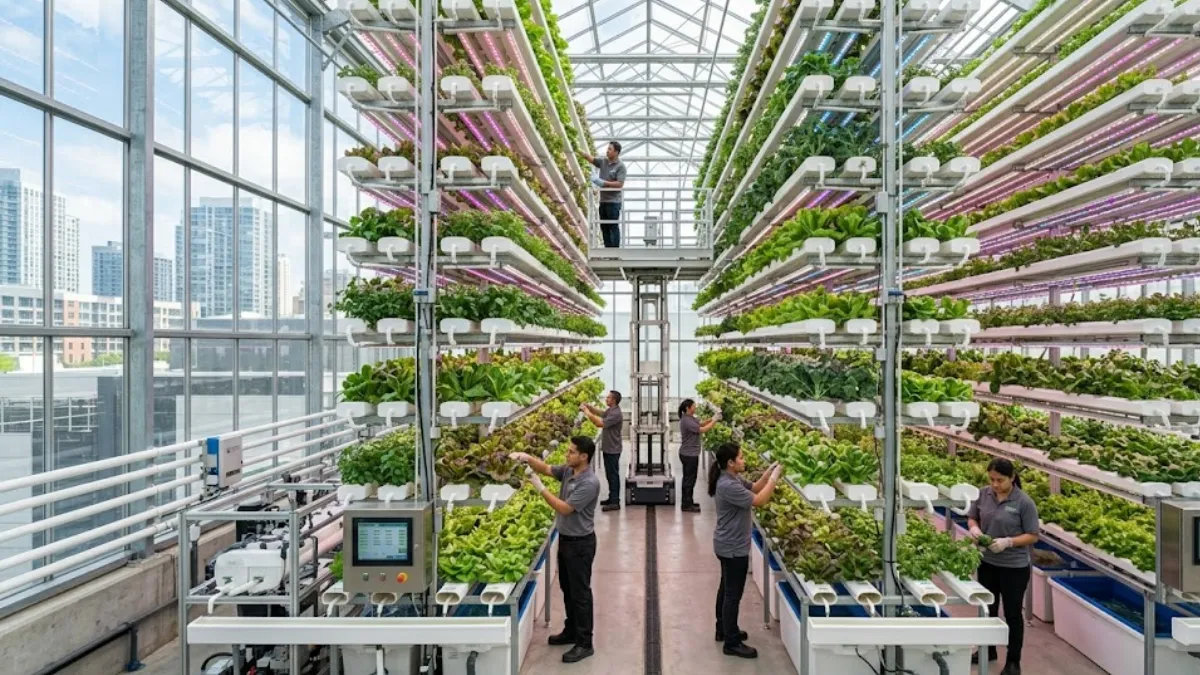
A few years ago, growing food meant big lands, tractors, muddy shoes, and waiting months for harvest. Today? Someone is growing lettuce inside a tiny apartment using LED lights and a water pipe setup. Strange. But real.That’s the power of vertical farming technology.And honestly, it feels like farming entered the future before we even noticed.
In India too, this trend is growing very fast. Urban homes, startups, rooftop growers, even restaurants are trying vertical farming because land is shrinking while food demand keeps rising.Small space. Bigger production. Less water. Pretty smart actually.
What is Vertical Farming?
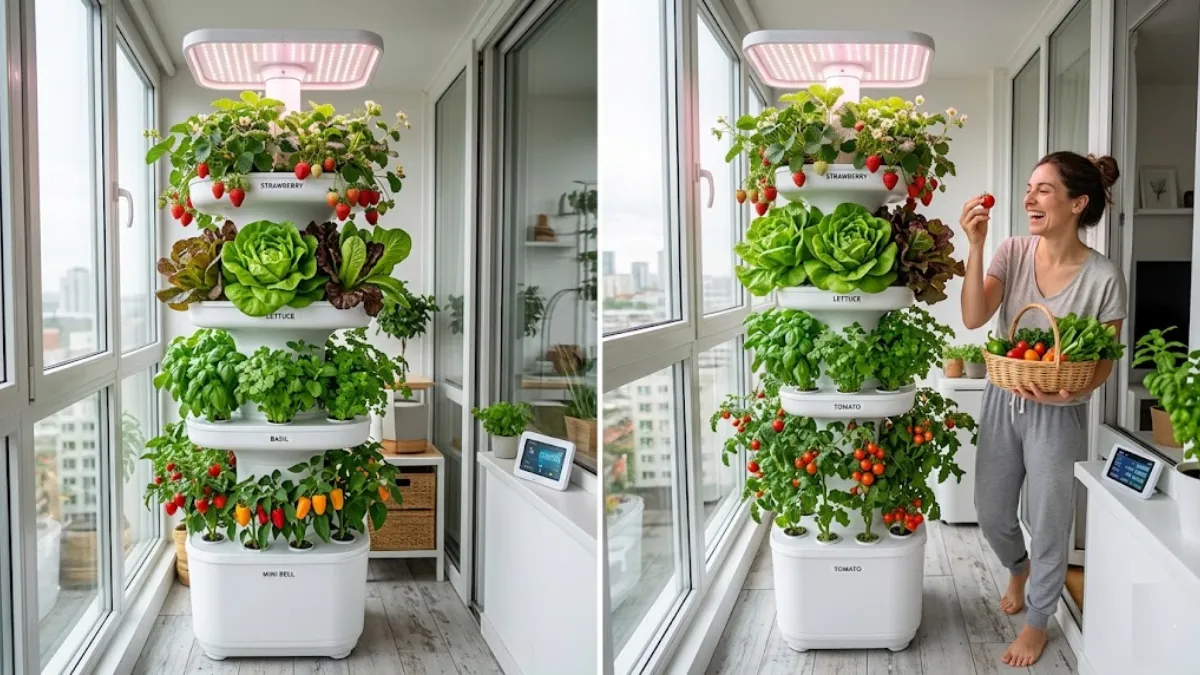
Vertical farming is a method where plants are grown in vertically stacked layers instead of traditional horizontal fields.Sounds simple. But behind it there’s a lot of technology working silently.Most vertical farms use:
- Hydroponics (growing without soil)
- LED grow lights
- Climate control systems
- Automated irrigation
- Nutrient-rich water circulation
The goal is easy: grow more food in less space Not every system looks futuristic though. Some people in India are growing spinach and herbs using simple PVC pipe towers on balconies. Very low-tech. Yet effective.
Vertical Farming in India is Rising Fast
Walk through cities like Bengaluru, Pune, Hyderabad, or Delhi and you’ll notice something changing. Rooftops are becoming mini farms.Why?Because India faces:
- Water shortage
- Less farming land
- Rising food prices
- Climate unpredictability
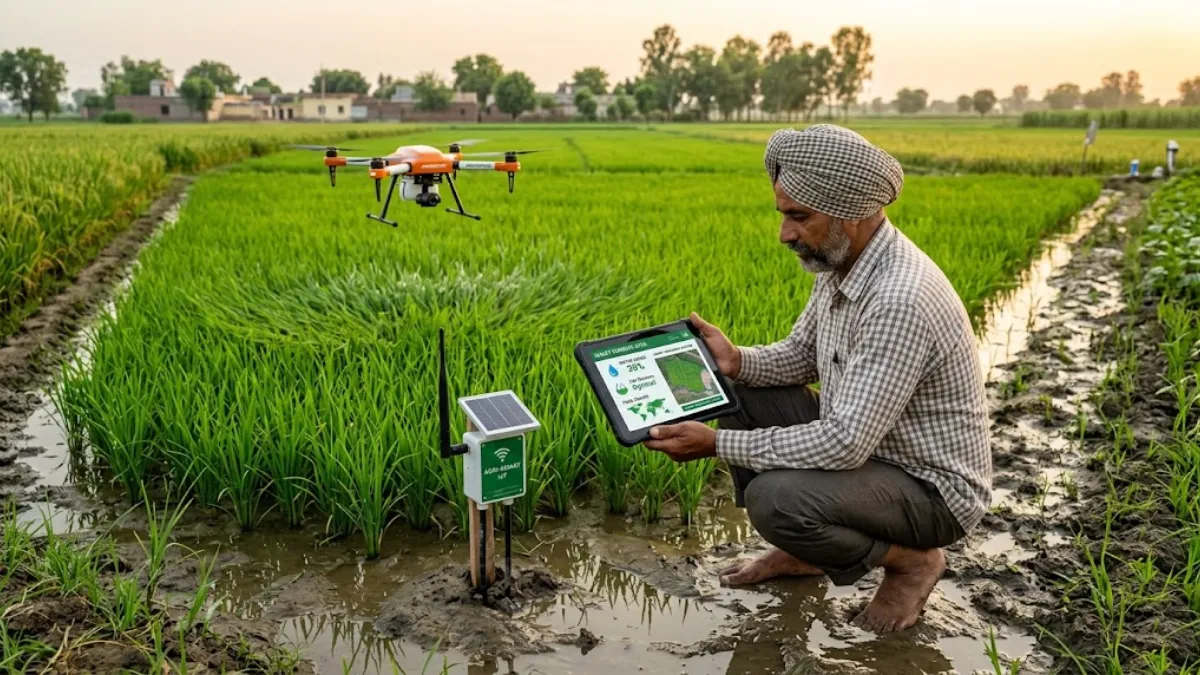
Vertical farming helps reduce these problemsMany startups now sell complete vertical farming kits. Some even offer subscription-based farm monitoring through apps. Technology everywhere now.And yes, schools and colleges are also creating vertical farming projects for students because it combines agriculture + science + sustainability.
Pretty cool learning model honestly.
Vertical Farming Setup Cost in India
This is where many beginners get confused.People think vertical farming always costs lakhs. Not true.The cost depends on scale.
Basic Home Setup
A simple vertical farming at home setup may cost around ₹2,000–₹15,000.Includes:
- PVC pipes or shelves
- Basic grow lights
- Containers
- Seeds
- Water pump
Medium Commercial Setup
For small businesses, cost can go between ₹2 lakh–₹10 lakh.
Advanced Automated Farms
Large commercial farms with automation can cross ₹50 lakh easilyExpensive? Yes. But production is also much higher.
Still, electricity costs can become a headache sometimes.
Vertical Farming Technology Examples
Some popular examples include:
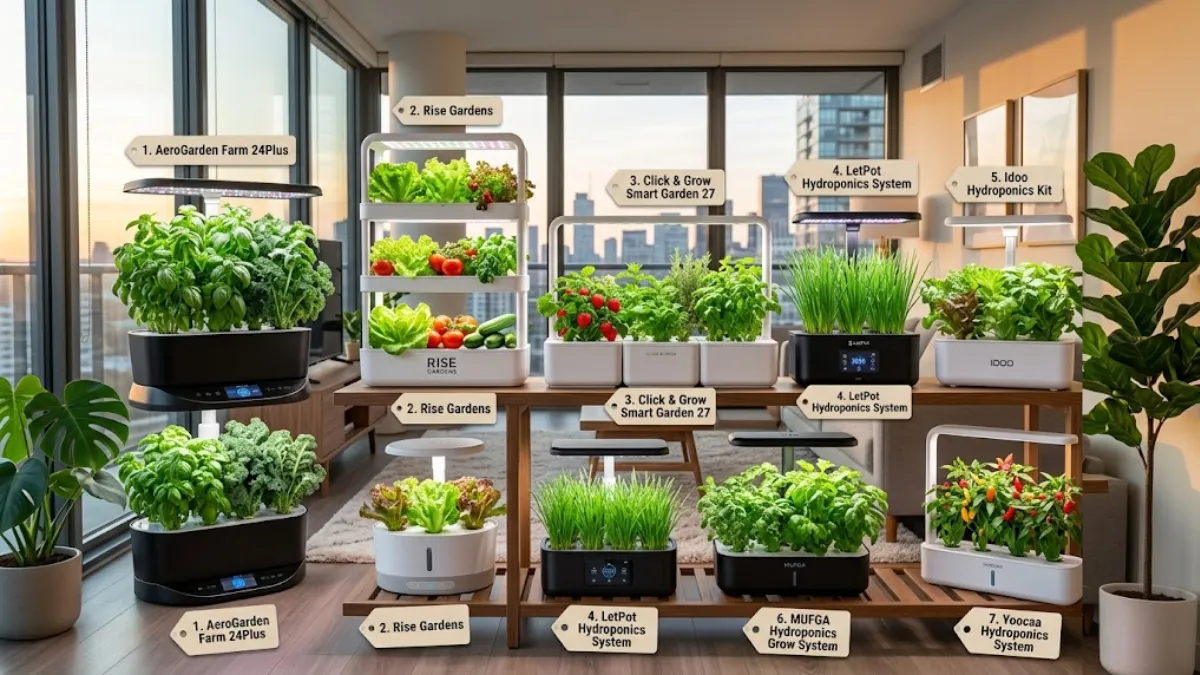
1. Hydroponic Towers
Plants grow in nutrient water without soil.Best for:
- Lettuce
- Mint
- Spinach
- Basil
2. Aeroponics
Roots hang in air while nutrient mist sprays them.NASA even researched this technology. Crazy right.
3. Aquaponics
Fish farming + plant farming together.Fish waste feeds plants naturally.
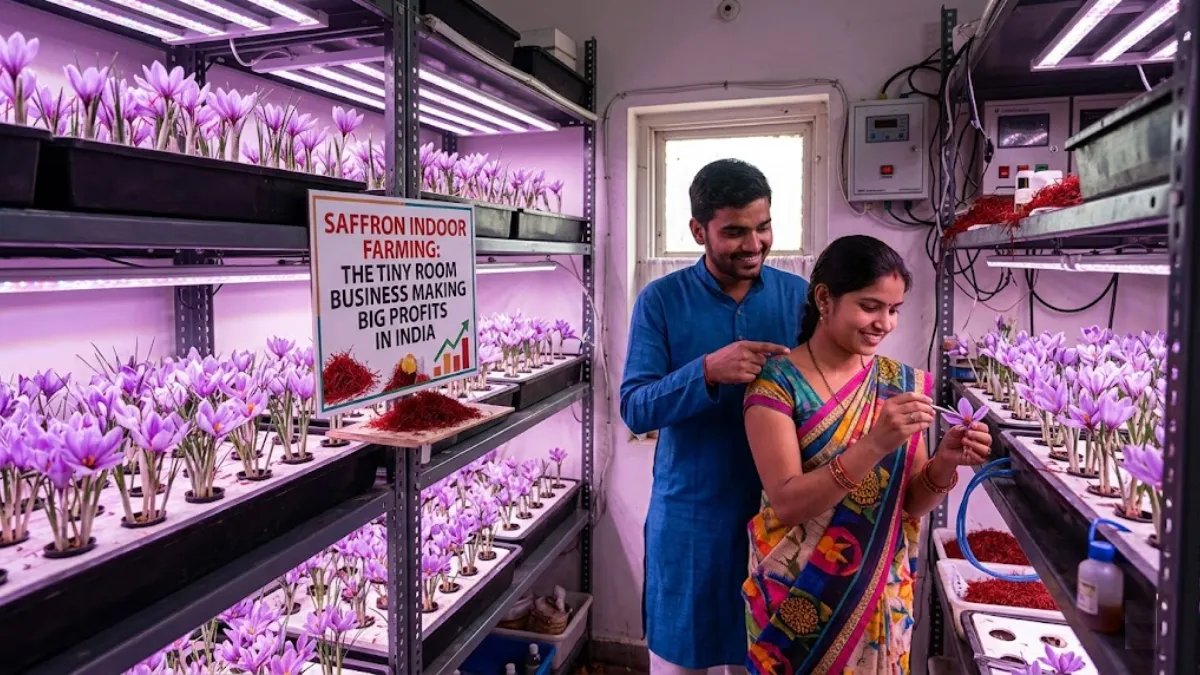
4. Indoor LED Farms
Fully controlled indoor environments using artificial lights.Looks futuristic. Almost sci-fi.
A Small Story From a Delhi Balcony
One apartment owner in Delhi started with just coriander and spinach on a small balcony. Nothing fancy. Just stacked trays and recycled bottles.laughed initially.Three months later, half the building wanted advice from him.That’s how trends begin honestly. Quietly.Vertical farming at home is becoming popular because people now care about pesticide-free food and fresh harvests.And there’s satisfaction too. Different feeling when you eat something you grew yourself.
Myth vs Reality About Vertical Farming
MythRealityVertical farming needs huge moneySmall setups can start cheaplyOnly experts can do itBeginners can learn quicklyPlants can’t grow without soilHydroponics proves otherwiseVertical farming is completely eco-friendlyElectricity use is still a challengeIt replaces traditional farmingIt mostly supports urban farming
Why Vertical Farming is Bad (Sometimes)
Okay, let’s be honest too.Vertical farming isn’t perfect.Some disadvantages include:
- High electricity consumption
- Initial setup cost
- Technical maintenance
- Dependency on artificial lighting
- Limited crop variety
Rice and wheat farming vertically? Not practical yet.So no, vertical farming won’t replace traditional agriculture completely. At least not anytime soon.But for herbs, greens, microgreens, and leafy vegetables it works very well.
Practical Tips Before Starting Vertical Farming
Start Small
Don’t buy expensive automation immediately.
Choose Easy Crops
Begin with:
- Mint
- Spinach
- Lettuce
- Coriander
Monitor Light Carefully
Too much LED exposure can stress plants.
Reuse Materials
Old bottles, shelves, and pipes work surprisingly good.
Focus on Water Quality
Dirty water ruins hydroponic systems fast.
Very fast actually.
Internal Linking Suggestions
- Read also: Best LED Grow Lights for Indoor Plants
- Explore: How to Grow Microgreens Indoors
- Related guide: Indoor Gardening for Beginners

Written by Editorial Staff Editor
This article was rigorously researched and compiled by our expert editorial team.