Plants That Quietly Save Entire Ecosystems
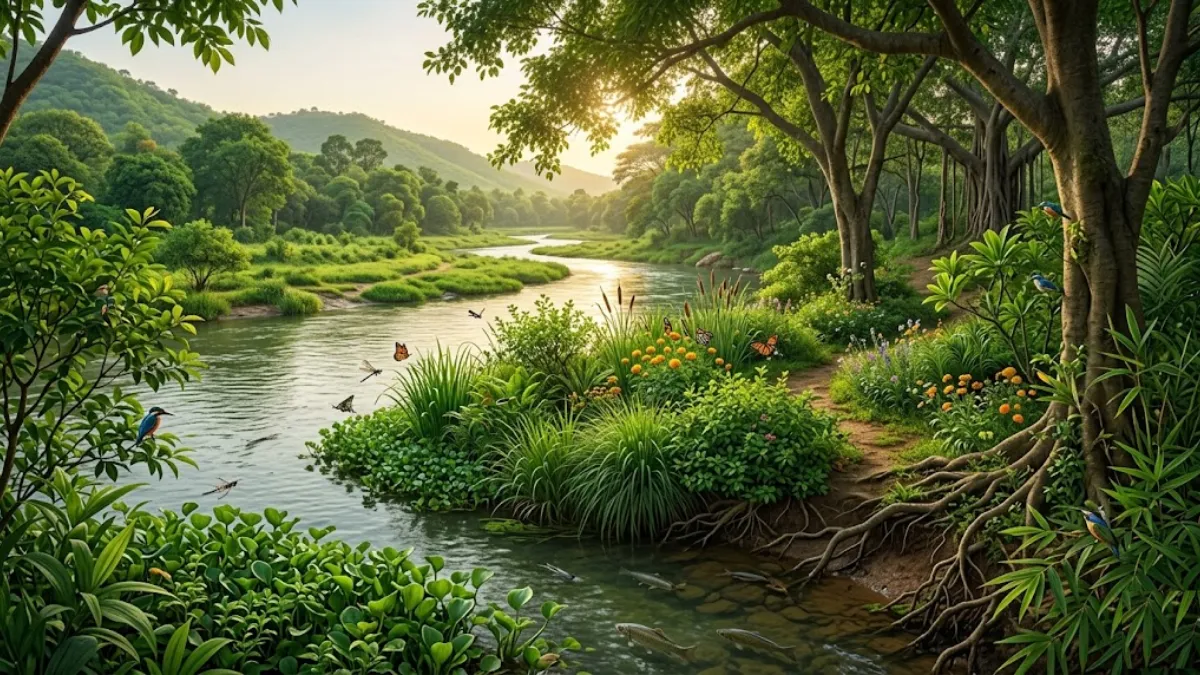
Some plants just sit there looking pretty.Others? They feed birds, butterflies, bees, tiny insects, even the soil itself. Quiet heroes. These are called keystone plants, and honestly, most people ignore them until their garden suddenly feels alive.One small native shrub can support hundreds of pollinators. Not joking.And in 2026, more gardeners are moving away from decorative-only landscaping and choosing plants that actually help biodiversity survive.
What Are Keystone Plants?
The term “what are keystone plants” is suddenly everywhere online. For good reason.A keystone plant is basically a powerhouse species. Remove it, and the local food web starts collapsing slowly. Add it back? Nature begins repairing itself.Simple example.A native oak tree may support hundreds of caterpillar species. Those caterpillars feed birds. Birds spread seeds. Pollinators increase. Soil health improves.Everything connected.That’s why many ecologists now focus on keystone species lists instead of random ornamental gardening.And honestly, it changes how you look at plants forever.
The Day My Balcony Changed
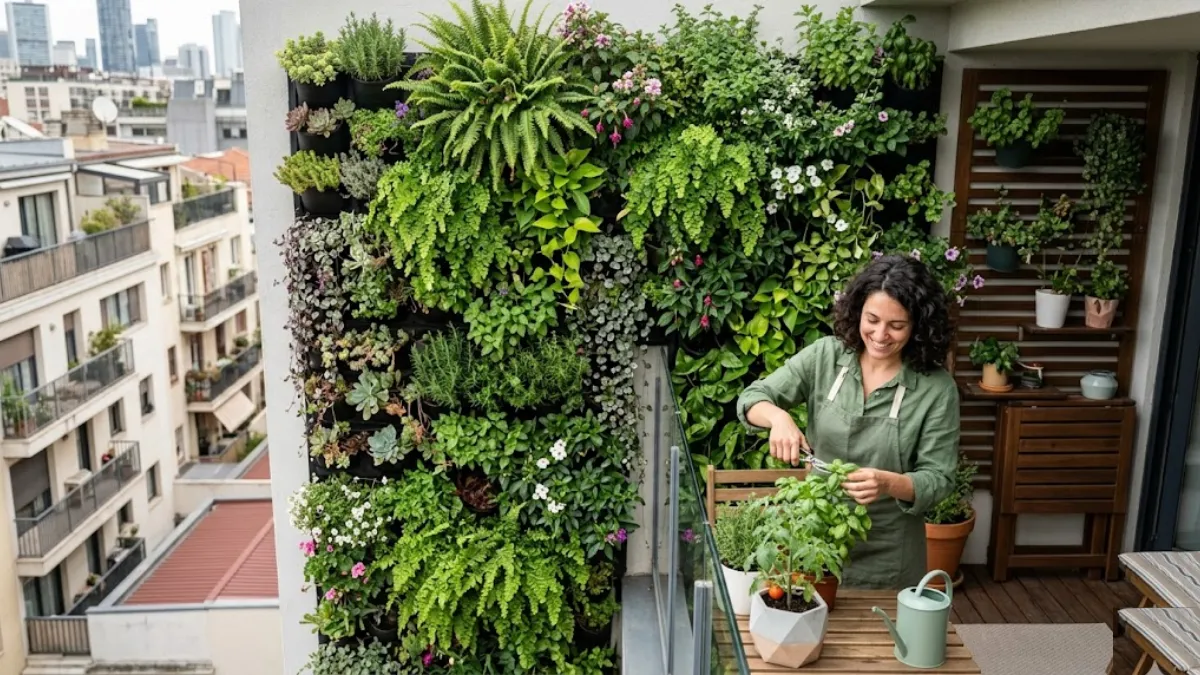
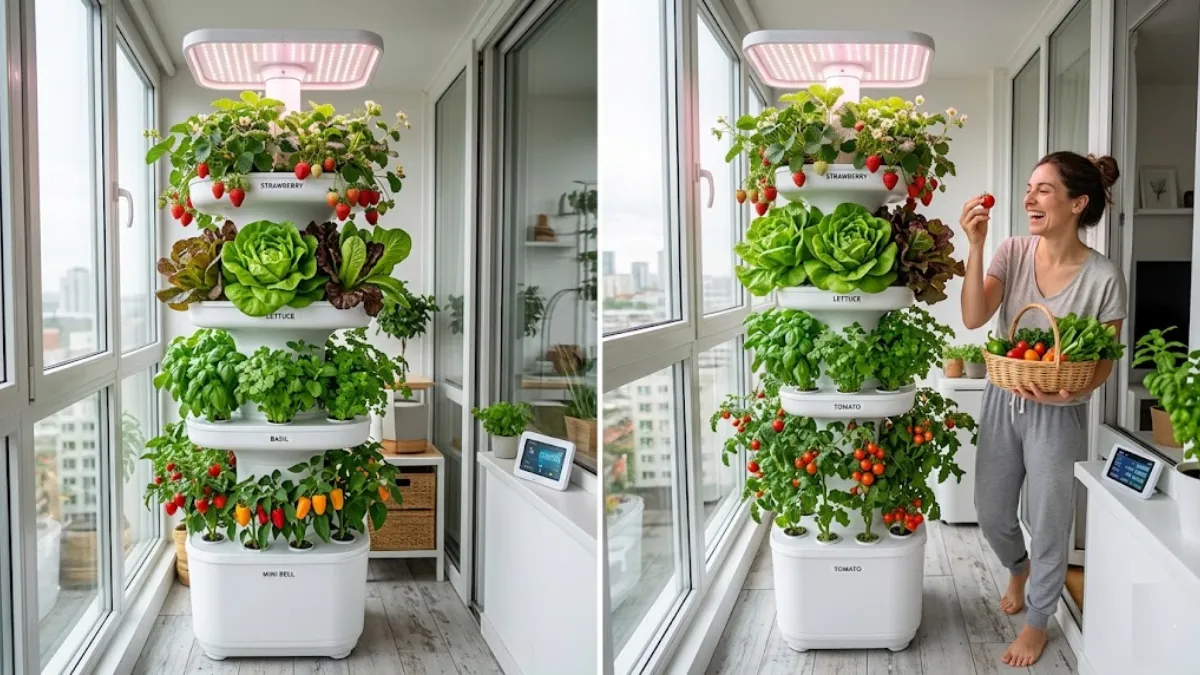
Last summer, somebody in our apartment added native flowering plants instead of imported decorative hybrids.Within weeks?Butterflies.Tiny bees.Even sparrows started visiting.No expensive fertilizers. No fancy setup. Just better plant choices.That’s the magic of native biodiversity gardening. It feels small. But the impact becomes huge over time.
Best Native Plants That Support Biodiversity
Different regions have different keystone plants by ecoregion, but some categories work almost everywhere.
Keystone Trees
Native trees are biodiversity kings.Some of the best keystone trees include:
- Oak
- Willow
- Maple
- Neem
- Banyan
- Peepal
These trees support insects, birds, and shade ecosystems naturally.Especially in urban India, native shade trees are becoming very important because temperatures keeps rising every year.
Best Native Plants for Small Spaces
You don’t need a forest.Even balconies help.Some keystone plants for containers include:
- Native marigolds
- Milkweed
- Tulsi
- Coneflowers
- Native grasses
- Lemon balm
Container biodiversity gardening is becoming popular because apartment gardeners want pollinator-friendly spaces without needing huge backyards.
Tiny setup. Big effect.
Why Native Plants Matter More Than Imported Ornamentals
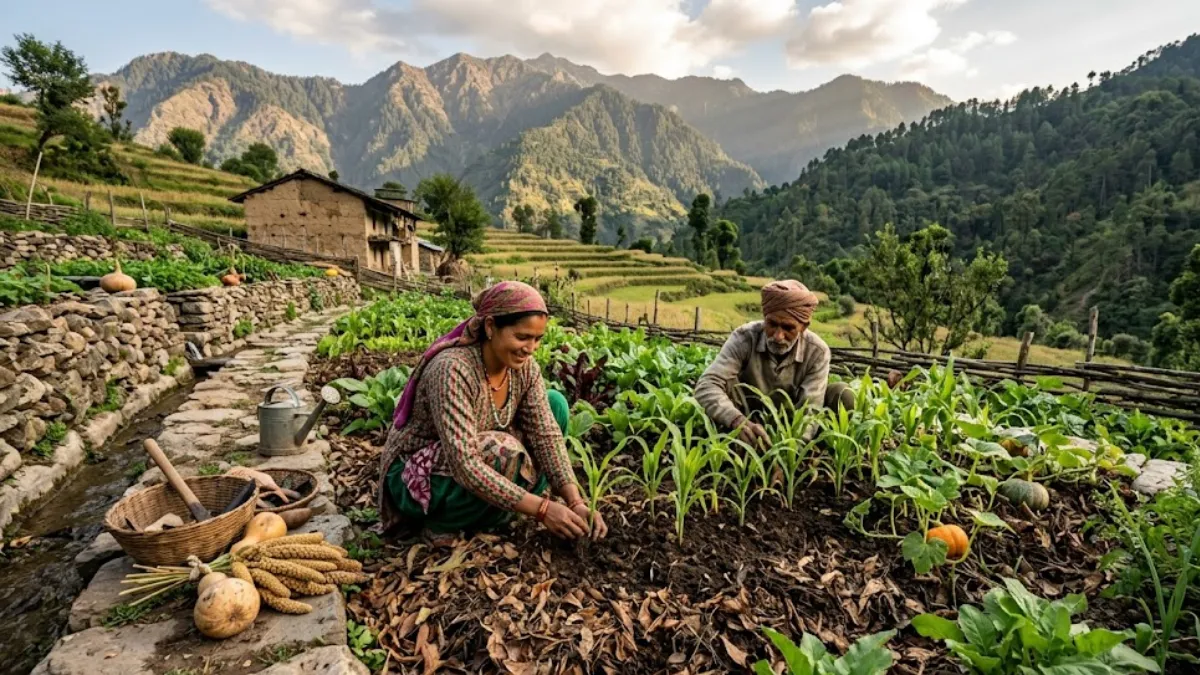
Imported decorative plants often look beautiful but support very little local wildlife.That’s the uncomfortable truth.Native plants evolved with local insects and birds for thousands of years. So they naturally provide nectar, pollen, shelter, and food.Less maintenance too.Less watering.Less fertilizer.Sometimes gardening gets easier when we stop fighting nature.
Myth vs Reality
Myth:
Only large forests improve biodiversity.
Reality:
Even one balcony with native keystone plants can help pollinators and birds survive in crowded cities.
Myth:
Native gardens look messy.
Reality:
Modern native landscaping can look incredibly aesthetic while still supporting ecosystems.
Myth:
Exotic plants are always better.
Reality:
Most local insects can’t even use imported plants properly for food or reproduction.
Nature becomes decorative. Not functional.
Practical Ways to Start a Keystone Garden
You don’t need perfection here.Start simple.
1. Choose Local Native Species
Use tools like the NWF native plant finder or local nursery guides to identify regional plants.
2. Mix Flowering Seasons
Plant species that bloom at different times so pollinators always have food.
3. Avoid Too Many Chemicals
Pesticides kill the insects birds actually need.
4. Add One Native Tree
Even one keystone tree can transform biodiversity around your home.
5. Leave Tiny Wild Corners
Not every corner needs to look “clean.” Nature likes a little chaos sometimes.
Best Resources for Native Plant Gardening
Helpful native plant resources include:
- Local forest department nurseries
- Native gardening communities
- Pollinator conservation groups
- Regional biodiversity websites
- NWF native plant finder databases
The more regional your plant choices become, the healthier your garden ecosystem gets.
Internal Linking Opportunities
- Indoor Plant Stress Signs Every Beginner Misses
- Best Balcony Plants for Indian Summers
- Pollinator-Friendly Indoor Plants for Small Homes

Written by Editorial Staff Editor
This article was rigorously researched and compiled by our expert editorial team.