The Truth About Air Purification: Science, Myths & What Actually Works at Home
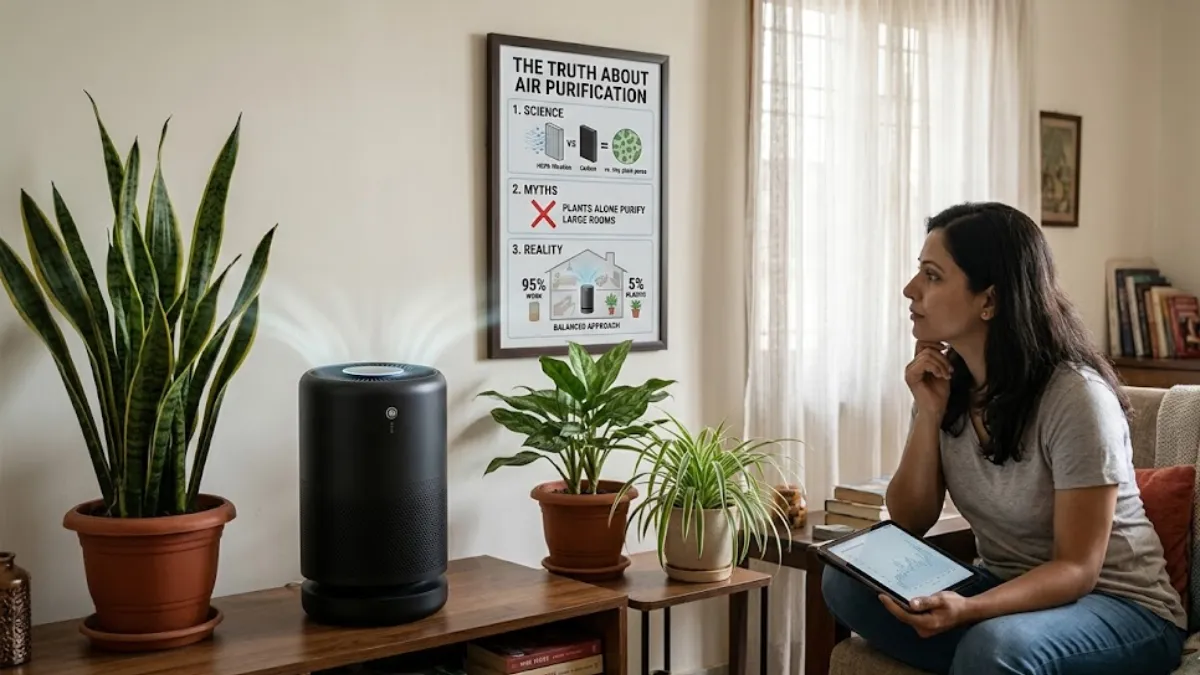
You plug in an air purifier.You add a few indoor plants. You feel safer.But here’s the uncomfortable question is your air actually cleaner, or does it just feel that way?In many Canadian homes especially during long winters when windows stay shut indoor air can quietly become more polluted thanoutside. Dust, pet dander, cooking smoke, even invisible chemicals from furniture. It builds up. Slowly.Let’s break this down. No hype. Just real air purification science explained simply.
Quick Answer
Air purification works but not all methods are equally effective. HEPA air purifiers + proper ventilation are the most reliable solutions. Plants help a little, but they are not replacement for real air filtration.
What Is Air Purification (In Simple Terms)?
Air purification simply means removing harmful particles from indoor air.These include:
- Dust and pollen
- Pet hair and dander
- Smoke particles
- Bacteria and viruses
- VOCs (chemicals from paint, furniture, cleaners)
In Canada, especially in cities like Toronto or Vancouver, indoor air quality becomes a bigger concern during colder months. Windows stay closed. Air circulation drops.That’s when purification actually matters.
Popular Air Purification Methods (And What Science Says)
1. HEPA Air Purifiers (Most Effective)
These are the gold standard.A good air purifier for home with a HEPA filter can:
- Remove 99.97% of particles
- Capture allergens and fine dust
- Improve breathing for asthma sufferers
Real-life example:
If you live in a condo near traffic-heavy areas, a HEPA purifier makes a noticeable difference. You’ll feel it in a few days.
2. Activated Carbon Filters
These target smells and gases.Useful for:
- Cooking odors
- Smoke
- Chemical pollutants
But here’s the catch they don’t trap dust or allergens well on their own.
3. UV Air Purification
Sounds high-tech. And it is.UV light can kill bacteria and viruses. But:
- It works only inside the machine
- It doesn’t remove dust or particles
So, it’s more of a supporting technology, not a complete solution.
4. Indoor Plants (The Viral Trend)
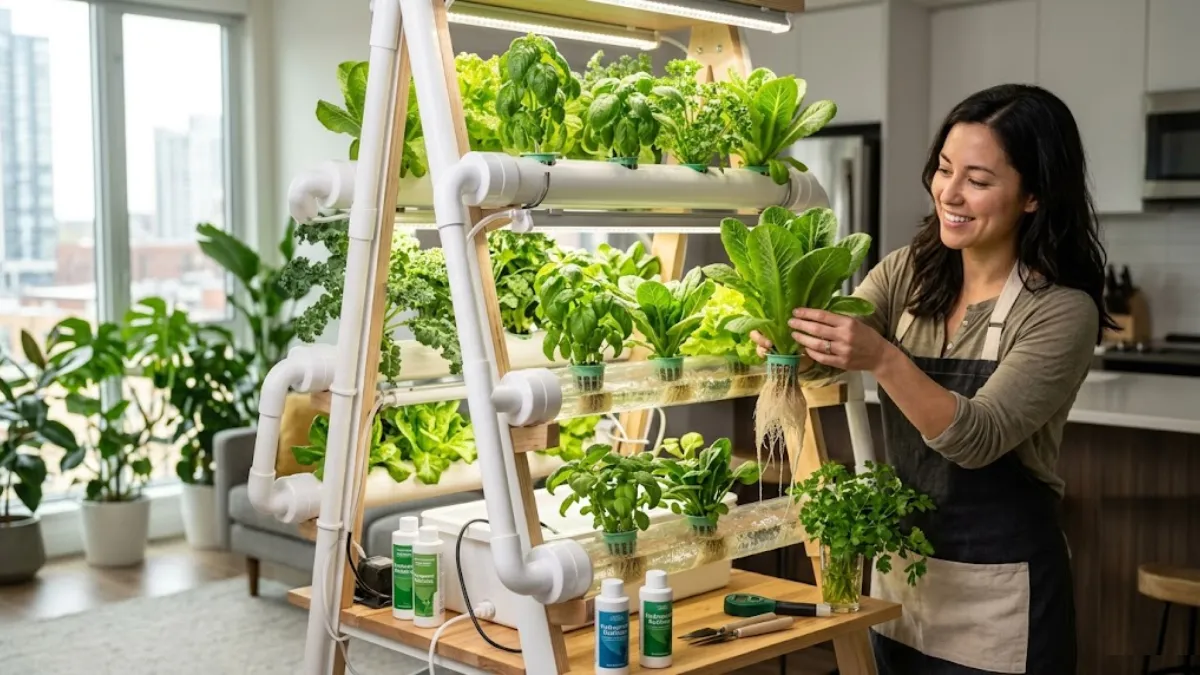
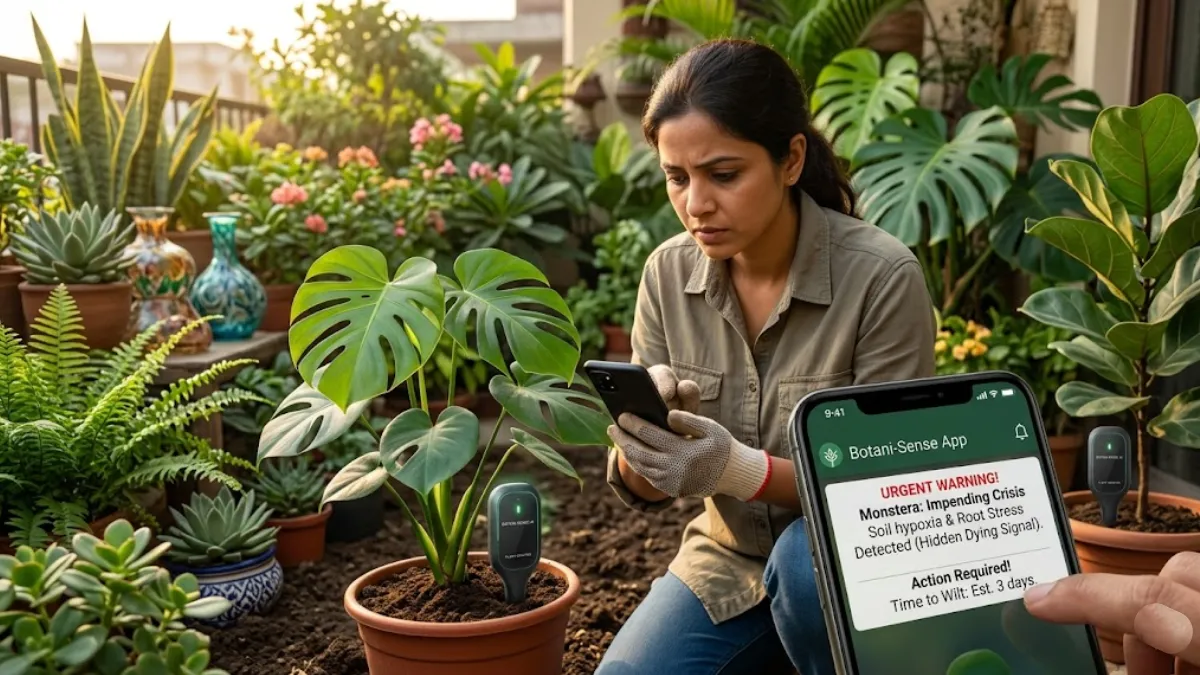
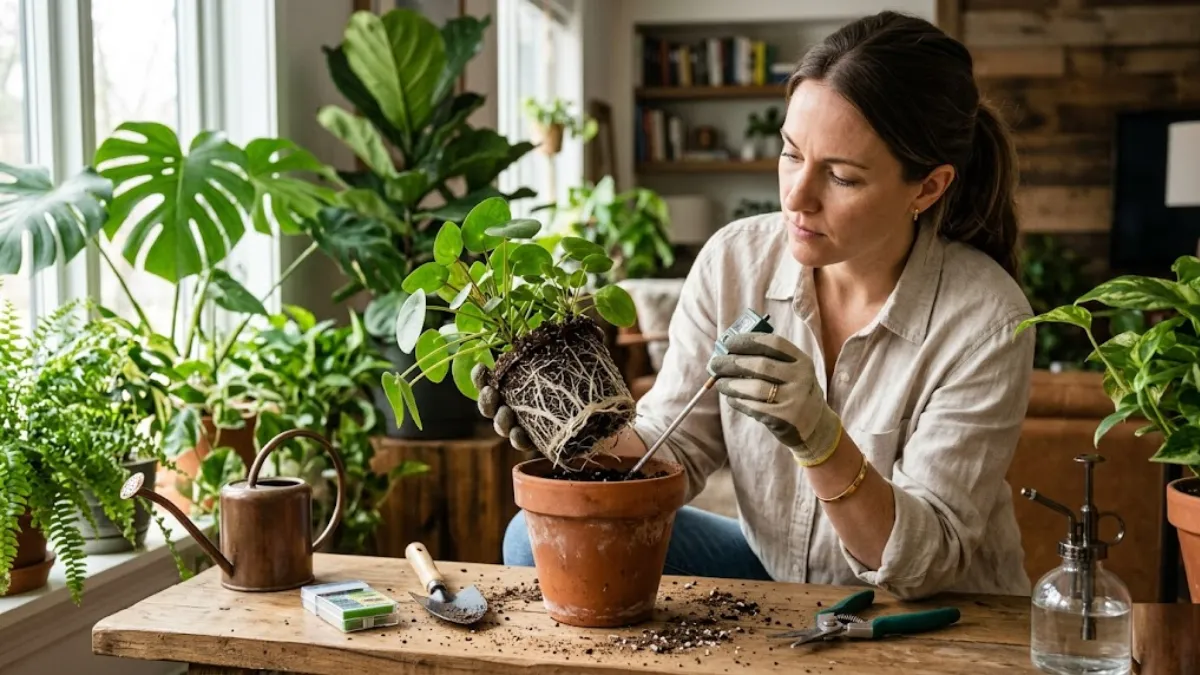
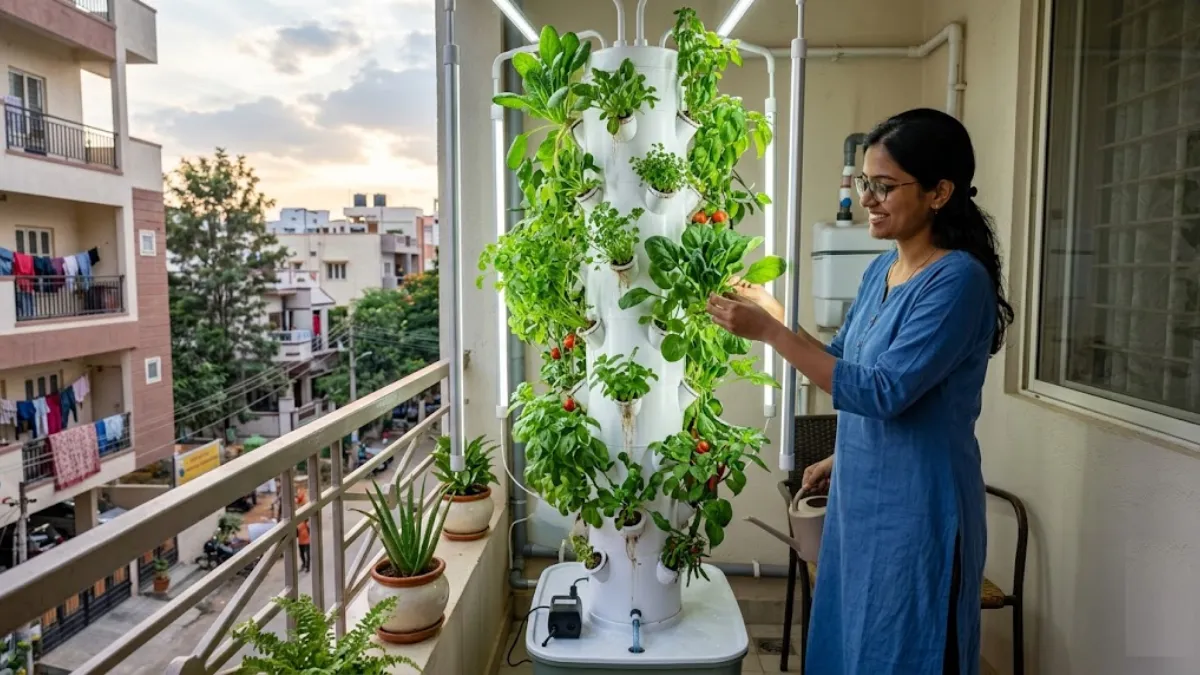
We’ve all seen it “plants purify air.”It’s partly true. But also misleading.NASA studies showed plants can remove toxins But only in controlled lab conditions.In a real home?You would need 50–100 plants per room to see noticeable air purification.Still, plants help in other ways:
- Improve mood
- Add humidity
- Make your space feel alive
And honestly, that matters too.
Myth vs Reality: Air Purification
Myth: One small air purifier can clean your whole house
Reality: You need room-specific devices or central systems
Myth: Plants replace air purifiers
Reality: Plants support wellness, not serious purification
Myth: Expensive = Better
Reality: Filter quality (HEPA) matters more than price
Air Purification Science Project (Simple Explanation)
If you’ve ever looked up an air purifier project for school, here’s the basic concept:Air passes through filters → Particles get trapped → Clean air comes out You can even build a DIY version:
- Small fan
- HEPA filter sheet
- Cardboard frame
This is why air purification project explanation is often used in science classes it’s easy to understand and very practical.
Practical Solutions That Actually Work
Let’s get real. What should you actually do?
Use a HEPA Air Purifier
Choose based on room size. Not guesswork.
Open Windows (When Possible)
Even 10–15 minutes daily improves air exchange.
Clean Regularly
Dust is a major indoor pollutant. Vacuum + wipe surfaces.
Avoid Synthetic Fragrances
Many “air fresheners” actually pollute indoor air
Add Plants (But for the Right Reason)
Not for filtration. For mental peace. For aesthetics.
Internal Helpful Reads
- Learn how plants actually impact air:
- Peace Lily Air Purifier Myth Busted
- Improve plant health alongside air quality:
- Why Your Indoor Plants Are Struggling
Benefits & Risks of Air Purification
Benefits
- Better breathing
- Reduced allergies
- Improved sleep quality
- Cleaner indoor environment
Risks (If Done Wrong)
- Cheap purifiers = ineffective
- No maintenance = dirty filters = worse air
- Over-reliance on gadgets without ventilation
Expert Insight (2026 Update)
Based on latest indoor plant and air quality research (2026):
- Mechanical filtration (HEPA) remains the most reliable method
- Indoor plants have psychological and micro-environment benefits
- Hybrid solutions (purifier + ventilation + lifestyle changes) work best

Written by Editorial Staff Editor
This article was rigorously researched and compiled by our expert editorial team.