Plant Pathology Troubleshooting: How to Diagnose Sick Plants Before It’s Too Late
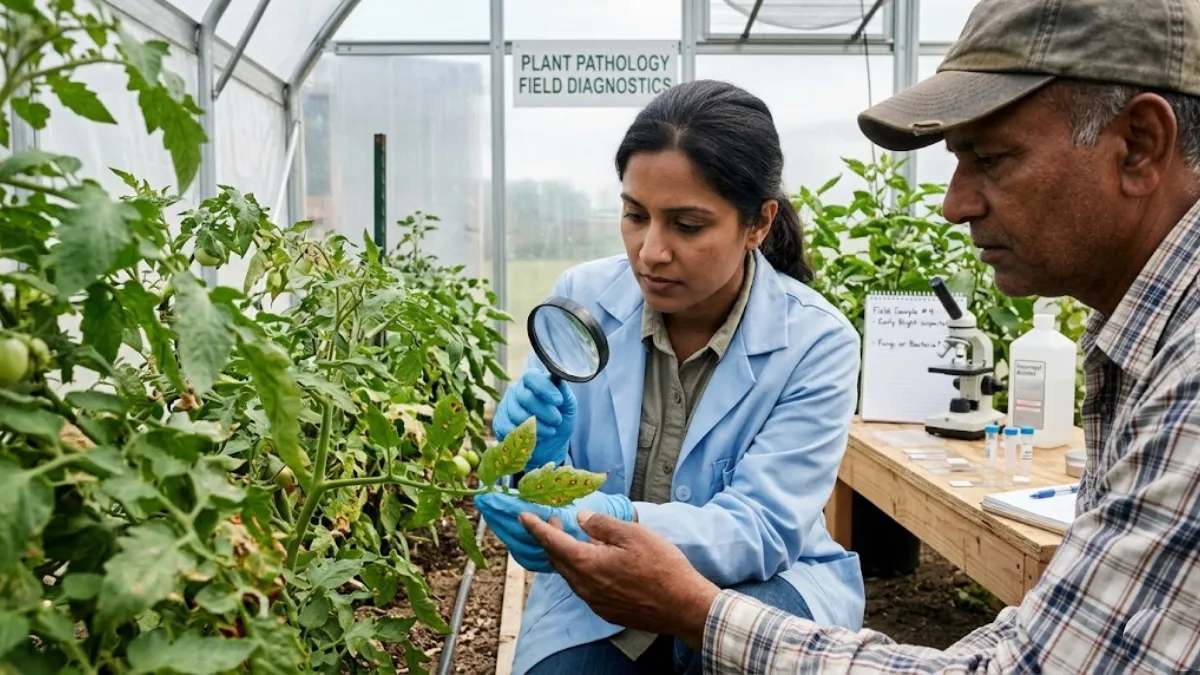
Plants rarely die suddenly.They warn you first.A yellow leaf here. Tiny brown spots there. Maybe the soil smells weird. Maybe growth just stops for no reason. Most people ignore these little signs until the plant completely collapses. Sad thing is many indoor plant diseases are actually reversible if you catch them early.And honestly? Plant pathology sounds complicated. Like a science lab thing. But diagnosing common plant problems at home is much easier than people think.This guide breaks it down in simple language. No confusing jargon. Just real troubleshooting methods that actually help indoor gardeners.Updated based on latest indoor plant research (2026)
Quick Answer
Plant pathology troubleshooting means identifying plant diseases by observing symptoms like yellow leaves, spots, wilting, mold, weak roots, or pest damage. Most indoor plant problems come from overwatering, fungal infections, bacterial disease, poor airflow, or lighting stress. Early diagnosis is the key.
Why Plant Diagnosis Feels So Confusing
Here’s the tricky part.Different plant diseases often look exactly the same at first.A fungal infection can look like nutrient deficiency.Root rot can mimic underwatering. Weird right?A friend of mine almost threw away her Monstera because the leaves turned yellow overnight. She thought pests attacked it.Turns out? The roots were sitting in soggy soil for weeks. Simple root rot.This happens constantly in indoor gardening.That’s why professional growers use a “symptom-first” approach instead of guessing randomly
Step 1: Look At The Leaves First
Leaves tell stories. Seriously.
If your plant could speak, the leaves would probably be screaming already.
Common Leaf Symptoms
Yellow Leaves
Usually linked to:
- Overwatering
- Poor drainage
- Root damage
- Nitrogen deficiency
Brown Crispy Edges
Often caused by:
- Dry air
- Underwatering
- Excess fertilizer salts
- Heater or AC stress
Black Spots
Could mean:
- Fungal infection
- Bacterial leaf spot
- Water sitting on leaves too long
White Powdery Coating
Classic sign of powdery mildew fungus.
And yes. It spreads fast.
Step 2: Check The Soil. Always.
Most indoor plant diseases begin underground. Not above it.Push your finger into the soil.If it smells swampy or rotten danger sign.Healthy soil smells earthy. Fresh. Almost like rain. Diseased roots smell awful. Sour sometimes.
Signs of Root Problems
- Mushy roots
- Black roots
- Fungus gnats everywhere
- Constant wet soil
- Wilting despite watering
That last one confuses many beginners.A drowning plant can actually look thirsty.
Step 3: Identify Patterns Instead of One Symptom
One damaged leaf isn’t always disease.Plants are living things. Sometimes older leaves just die naturally.But patterns matter.Ask yourself:
- Is damage spreading?
- Are new leaves affected?
- Is only one side impacted?
- Did symptoms appear after watering changes?
This is exactly how plant pathology troubleshooting works professionally.
Observation first. Panic later.
Most Common Indoor Plant Diseases
Root Rot
Probably the #1 killer of houseplants.Caused by excess moisture and fungal pathogens living in soggy soil.
Symptoms
- Yellow leaves
- Drooping stems
- Wet soil
- Mushy roots
- Sudden collapse
Fix
- Remove rotten roots
- Repot into dry airy soil
- Reduce watering frequency
- Improve drainage immediately
Powdery Mildew
Looks like white dust on leaves.
Usually appears when airflow is poor and humidity stays trapped.
Fix
- Improve ventilation
- Remove infected leaves
- Avoid wetting foliage
- Use neem oil spray carefully
Bacterial Leaf Spot
Tiny dark spots with yellow halos around them.
Spreads surprisingly fast in humid indoor rooms.
Fix
- Isolate the plant
- Sterilize scissors
- Avoid overhead watering
Simple. But effective.
Myth vs Reality
Myth: Yellow leaves always mean underwatering
Reality:
Overwatering causes yellowing far more often indoors.
Myth: More fertilizer fixes weak plants
Reality:
Diseased roots usually get worse with fertilizer stress.
Myth: Misting prevents all plant diseases
Reality:
Too much moisture on leaves can actually trigger fungal infections.
Free Ways To Diagnose Plant Problems Online
Good news. You don’t need expensive tools anymore.
Several platforms now help identify plant diseases using photos.
Popular Free Diagnosis Options
- Google Lens
- PlantNet
- PictureThis free version
- Reddit plant communities
- University extension websites
Some gardeners also search for:
- Plant pathology troubleshooting PDF
- Symptoms of plant diseases PDF
- Plant disease diagnosis PDF
- Identify plant diseases online free
These resources can help compare symptoms visually. But don’t trust apps blindly. Sometimes AI tools misidentify stress damage as fungal disease.
Human observation still matters more.
Practical Troubleshooting Tips That Actually Work
Improve Airflow
Crowded plants trap humidity. Fungus loves that.
Space them out a little.
Stop Watering On Schedule
Schedules kill more plants than forgetfulness honestly.
Check soil first.
Quarantine New Plants
Many pests and diseases enter homes through new nursery plants.
Keep new plants isolated for 1–2 weeks.
Clean Your Pots
Dirty containers spread bacteria and fungal spores quietly.
People skip this step alot.
Rotate Plants Weekly
Helps identify uneven growth and hidden disease spread earlier.
Small habit. Big difference.

Written by Editorial Staff Editor
This article was rigorously researched and compiled by our expert editorial team.