Saffron (Kesar) Farming Indoors: The Aeroponics Method
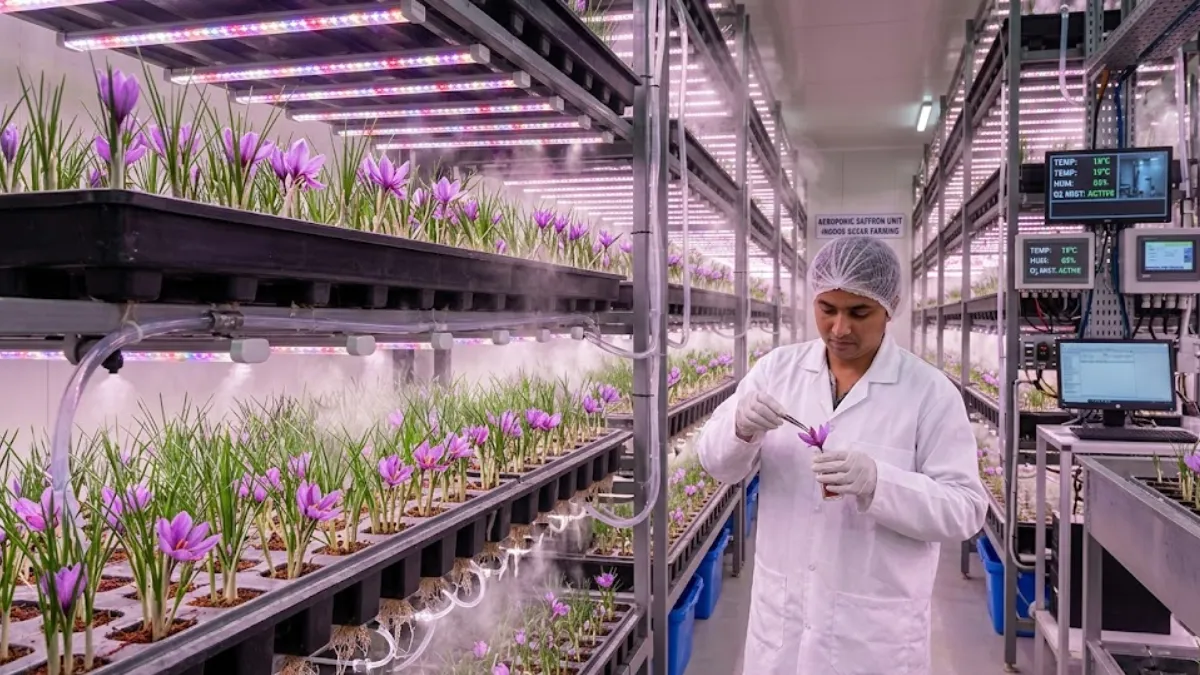
Indoor saffron farming using aeroponics allows farmers to grow high-value kesar without soil. It uses controlled temperature, humidity, and mist-based root feeding systems to produce premium saffron year-round. Small space. High value. That’s why many growers in India are now exploring it.
The Tiny Flower Worth More Than Gold
A few years ago, most people believed saffron could only grow in Kashmir valleys. Cold weather. Open fields. Traditional farming only.Now things are changing. Fast.
One small farmer from Pune turned a spare room into a saffron-growing chamber using aeroponics. No soil. No mud. Just shelves, LED lights, humidity control, and saffron corms hanging in air. Sounds crazy at first. But it worked.And honestly, this is why indoor saffron farming in India is becoming such a searched topic lately.
Because land is expensive. Weather is unpredictable. Water is limited.But technology? It changed the game.
What Is Indoor Saffron Farming Aeroponics?
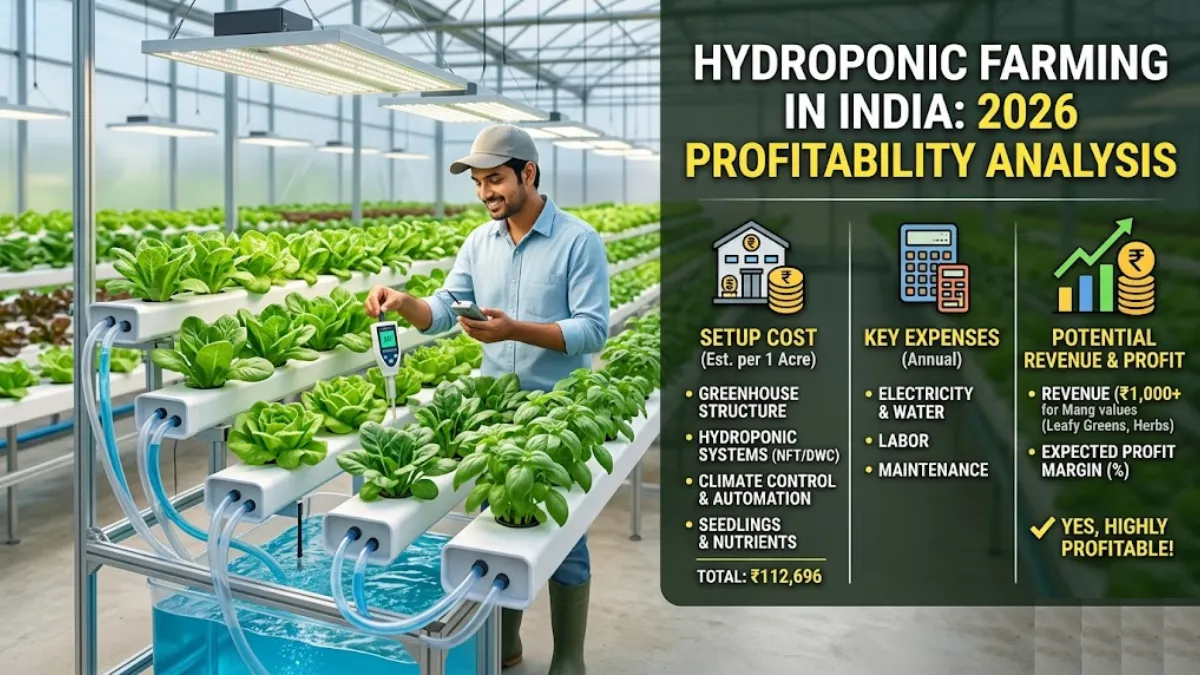
Indoor saffron farming aeroponics is a modern growing method where saffron bulbs (called corms) are grown without soil. Their roots stay suspended in air while nutrient-rich mist is sprayed regularly.Simple idea. Powerful results.Instead of depending on seasonal weather, growers create an artificial environment using:
- Cooling systems
- Humidity control
- LED grow lights
- Aeroponic racks
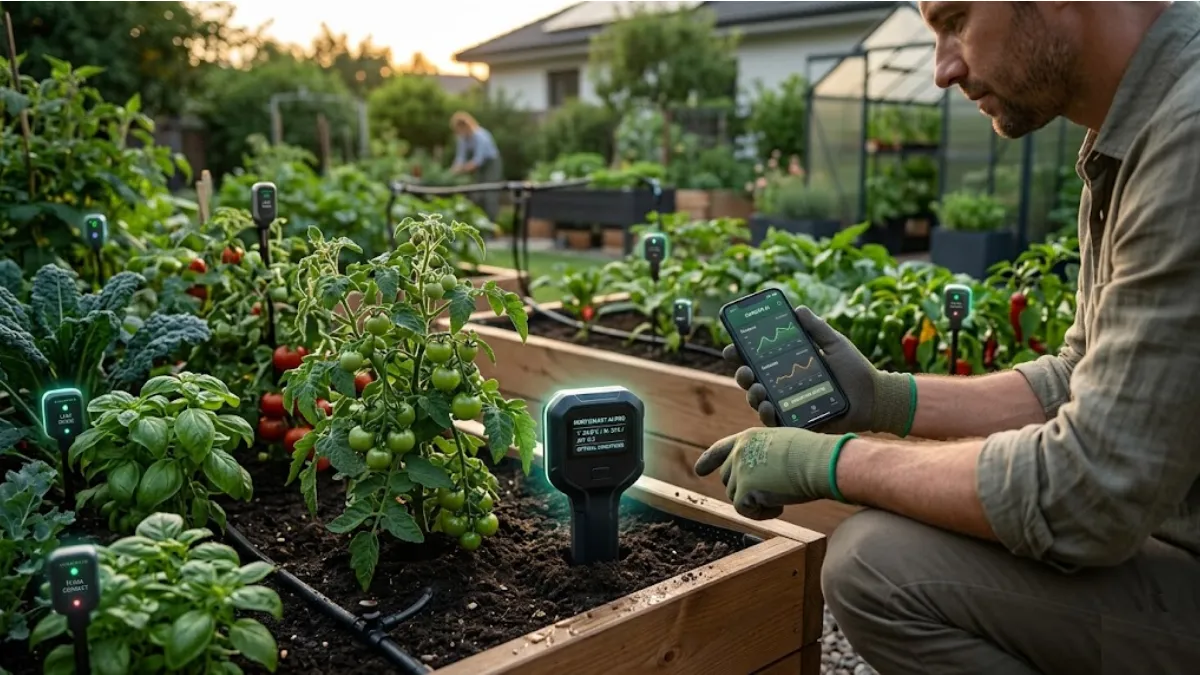
- Timers and sensors
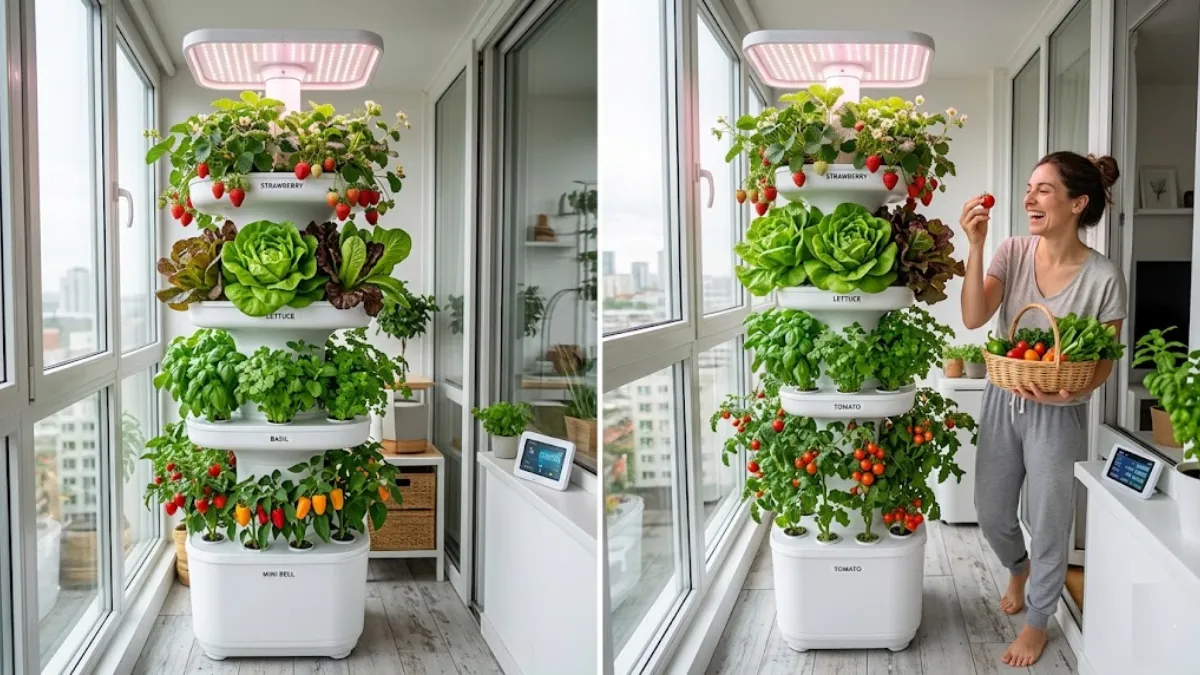
This setup helps farmers grow saffron inside rooms, containers, or vertical farming units.Less water. Better control. Cleaner harvest.
Why Farmers in India Are Suddenly Interested
Because saffron prices are huge.Real saffron can sell for ₹2 lakh to ₹3 lakh per kilogram depending on quality. That gets attention quickly.
But there’s another reason too.Traditional saffron farming only works in certain climates. Indoor farming removes that limitation. Cities like Delhi, Pune, Hyderabad, Bengaluru,even smaller towns are now experimenting with indoor kesar production.Not everyone succeeds though. Some rush in after watching YouTube videos and lose money because they ignore climate control.Temperature matters. A lot.
Indoor Saffron Farming Setup Cost
This is the first thing everyone asks.And fair enough.A basic indoor saffron farming setup cost in India usually starts around ₹3 lakh to ₹7 lakh for a small commercial room setup. Bigger vertical farms can cross ₹15 lakh easily.Typical costs include:ItemEstimated CostCooling & HVAC system₹80,000 – ₹2 lakhAeroponic racks₹50,000 – ₹1.5 lakhLED grow lights₹40,000 – ₹1 lakhHumidity controllers₹20,000 – ₹60,000Saffron corms₹50,000+Insulation & setup₹30,000 – ₹1 lakh
Not cheap. But many growers see it as a premium farming business rather than traditional agriculture.
Can Indoor Saffron Farming Really Be Profitable?
Yes. But not instantly.That part many “viral videos” forget to mention.saffron farming profit depends on:
- Quality of corms
- Climate consistency
- Harvest timing
- Market access
- Electricity costs
Good growers claim profits after the second or third cycle because corm multiplication improves over time.Still, beginners should start small first. Very important.Because saffron is delicate. Tiny mistakes in humidity or temperature can reduce flowering badly.
The Biggest Mistake Beginners Make
Overwatering.Funny thing is saffron actually hates too much moisture.Many new growers treat it like leafy vegetables. Big mistake. The corms can rot quickly if humidity levels stay uncontrolled.Another issue? Buying fake corms online.It happens more than people think.Always source planting material from verified suppliers or agricultural institutes.
Indoor Saffron Farming Training Matters More Than Equipment
People spend lakhs on setup but skip training.Bad idea.A proper indoor saffron farming training program teaches:
- Temperature scheduling
- Flower induction
- Drying methods
- Aeroponic maintenance
- Disease prevention
- Corm storage
Many agricultural startups now offer indoor saffron farming training near me programs in cities across India. Some even provide aeroponic saffron farming training PDF resources and workshop kits.Learning first saves money later.Simple.
Myth Vs Reality
Myth: Saffron farming indoors is fully automatic
Reality:
No. It still needs monitoring daily. Sensors help, but plants don’t grow on autopilot.
Myth: Anyone becomes rich quickly
Reality:
Some people earn well. Others fail due poor setup planning and bad climate management.
Myth: Soil farming is outdated
Reality:
Traditional saffron farming still produces premium quality saffron. Indoor systems are just another method.
Practical Tips Before Starting
Start Small
Don’t convert your entire building immediately. Test with a mini setup first.
Focus on Climate
Temperature control is more important than fancy lights.
Buy Quality Corms
Cheap corms usually create expensive problems later.
Keep Electricity Backup
Power cuts can damage flower cycles badly.
Learn Drying Properly
Good drying keeps aroma strong and increases saffron value.
Is This the Future of Urban Farming?
Maybe.Indoor farming is slowly moving from leafy greens toward premium crops like saffron. Especially in India where urban agriculture is becoming more popular every year.
And honestly, there’s something fascinating about growing one of the world’s most expensive spices inside a room.Quietly. Carefully. Flower by flower.
Recommended Internal Links
- IndoorPlantify.com/vertical-farming-for-beginners
- IndoorPlantify.com/best-grow-lights-for-indoor-plants
- IndoorPlantify.com/hydroponics-vs-aeroponics-guide

Written by Editorial Staff Editor
This article was rigorously researched and compiled by our expert editorial team.