Smart Farming Is Here: How IoT & Drones Are Saving Water in Indian Agriculture
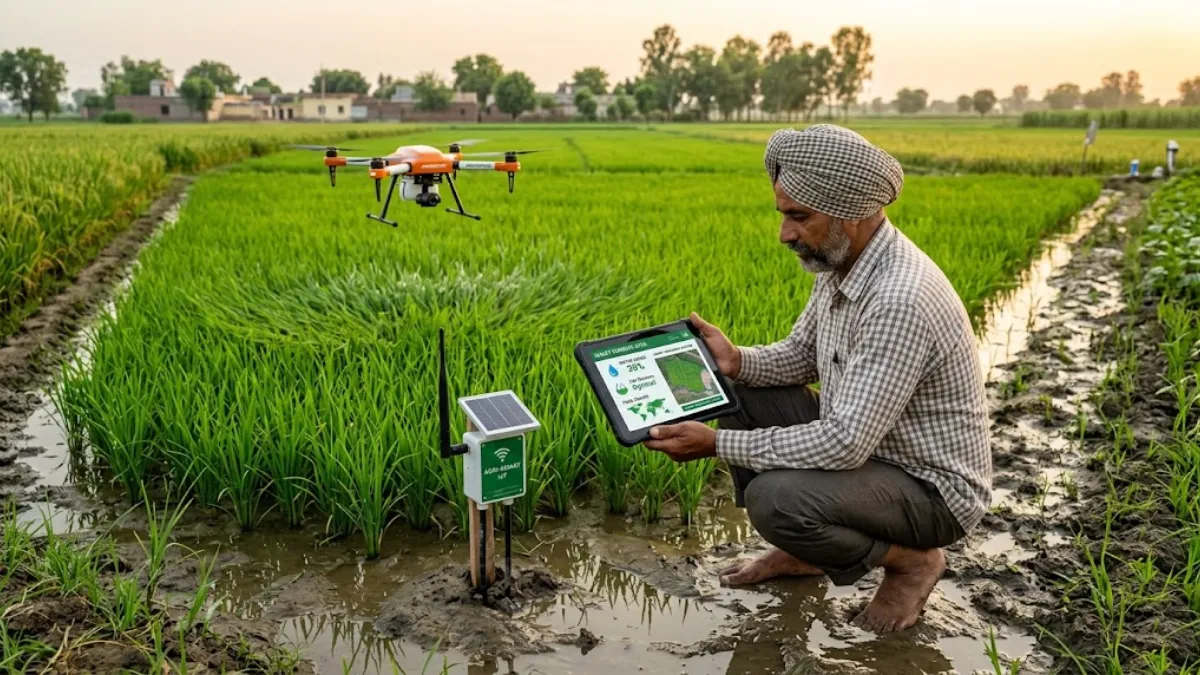
Smart irrigation systems using IoT and drones help Indian farmers monitor soil moisture, weather, and crop health in real time. These systems reduce water waste, improve crop yield, and make farming more efficient with automated irrigation and aerial monitoring
The Day Ravi Stopped Guessing Water Levels
Ravi, a farmer from Maharashtra, used to water his field the old way. Touch the soil. Look at the sky. Hope for rain. Sometimes crops survived. Sometimes they didn’t.
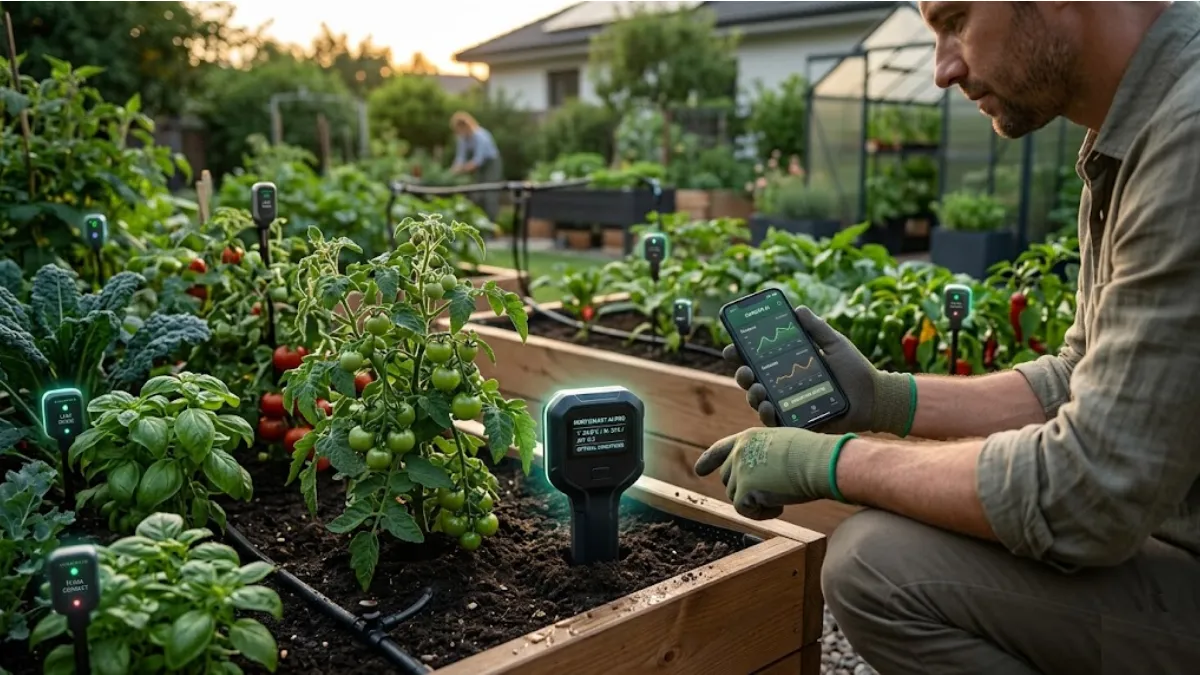
Then he installed a smart irrigation system using IoT sensors.Everything changed.His phone started showing moisture levels. Water pumps switched on automatically. A drone even scanned dry patches before the crops showed visible stress. Sounds futuristic. But this is already happening in India.And honestly, agriculture is changing faster than many people realise.
What Is a Smart Irrigation System Using IoT?
An overview of smart irrigation systems using IoT starts with one simple idea giving plants only the water they actually need.No extra. No waste.These systems use:
- Soil moisture sensors
- Weather monitoring devices
- IoT-based controllers
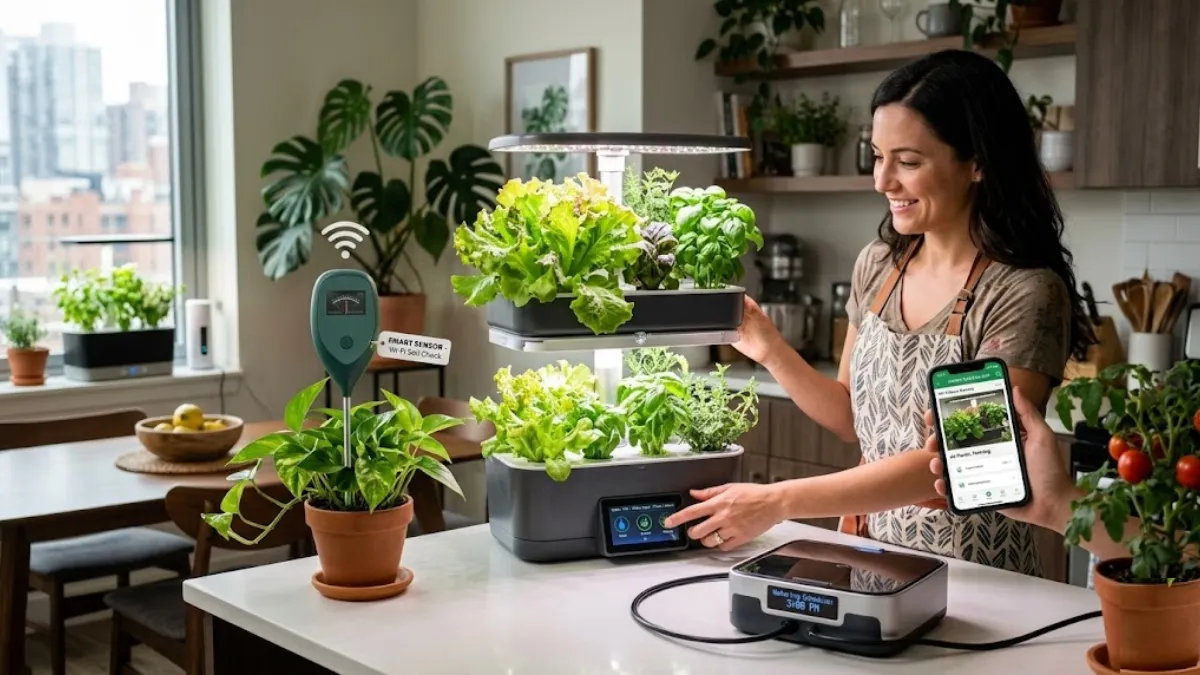
- Mobile apps
- Automated pumps
- Drones for aerial crop analysis
The sensors collect data from the field continuously. Then the IoT system analyses it and decides when irrigation should start or stop.Pretty smart actually.In many smart irrigation system projects in India, farmers now control irrigation directly from smartphones. Even from another city sometimes.
Why Indian Agriculture Needs Smart Irrigation So Badly
India still loses massive amounts of water in traditional irrigation. Flood irrigation wastes water. Electricity too.And climate change? Making things worse.Unpredictable rainfall. Longer heat waves. Dry soil.This is why the smart irrigation system in India market is growing quickly. Farmers are slowly shifting toward automation because water scarcity is becoming a serious issue now.Especially in states like:
- Punjab
- Maharashtra
- Karnataka
- Gujarat
- Tamil Nadu
Even small farms are adopting low-cost IoT systems nowadays.
How IoT-Based Smart Irrigation Works
The methodology of smart irrigation system using IoT is surprisingly simple when broken down.
Step 1: Sensors Collect Data
Sensors placed in the soil measure:
- Moisture levels
- Temperature
- Humidity
- Water flow
Tiny devices. Big impact.
Step 2: Data Travels to Cloud
The data gets uploaded through WiFi, GSM, or LoRaWAN networks into cloud-based software.
Step 3: Smart Decision Making
The system checks:
- Weather forecasts
- Soil condition
- Crop water requirements
Then irrigation is automated.No manual guesswork anymore.
Step 4: Drones Monitor Crop Health
Drones capture aerial images of crops. They detect:
- Dry patches
- Pest damage
- Nutrient deficiency
- Uneven irrigation
Farmers can react earlier before crop loss happens.That’s the real game changer honestly.
Advantages of Smart Irrigation System Using IoT
1. Saves Water
This is the biggest benefit.Smart systems reduce unnecessary watering by up to 40–50% in many cases.
2. Better Crop Yield
Plants receive water at the right time. Healthier crops naturally grow better.
3. Less Human Labor
No need to manually open and close pumps every day.Farmers save time. And stress too.
4. Energy Efficient
Automated irrigation reduces electricity usage because pumps operate only when needed.
5. Real-Time Monitoring
Farmers can monitor fields remotely through mobile applications.Even while sitting at home drinking chai.
Real Problems Farmers Still Face
Not everything is perfect though.Some IoT systems fail due to:
- Poor internet connectivity
- Lack of technical training
- High initial installation costs
- Maintenance issues in rural areas
And honestly, many farmers still prefer traditional methods because change feels risky.That hesitation is understandable.But government subsidies and agri-tech startups are helping adoption grow slowly.Very slowly sometimes.
Practical Ways Farmers Can Start Small
You don’t need expensive drone fleets immediately.Start basic.
Beginner Smart Farming Setup
- Install soil moisture sensors
- Use automatic drip irrigation
- Connect pumps to mobile control systems
- Monitor weather apps daily
Then scale later.Small improvements matter more than perfect systems.
Research & Reports Growing Rapidly
Search interest around:
- IoT based smart irrigation system PDF
- IoT based smart irrigation system research paper
- Smart irrigation system project report PDF
- Smart irrigation system using IoT report
has increased massively among engineering students and agri-tech startups.India’s agricultural universities are now heavily researching AI-driven irrigation models too.The future looks automated. No doubt.
Internal Linking Suggestions
- Best Low-Maintenance Indoor Plants for Busy Homes
- How Drip Irrigation Saves Water in Home Gardening
- Indoor Plants That Survive Indian Summers

Written by Editorial Staff Editor
This article was rigorously researched and compiled by our expert editorial team.