These AI Plant Sensors Know Your Plant Is Dying… Before You Do
INTRO
I once overwatered a plant. Again.
Leaves looked fine until they didn’t.
By the time I noticed roots were gone. Dead.
Now imagine this.
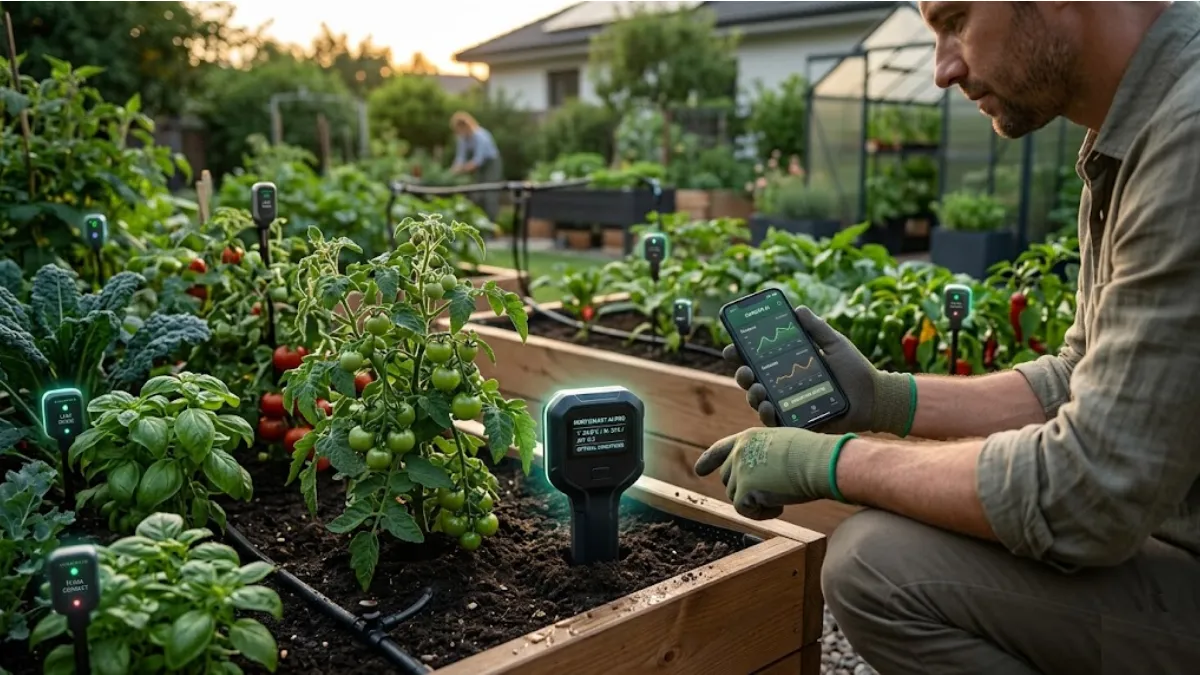
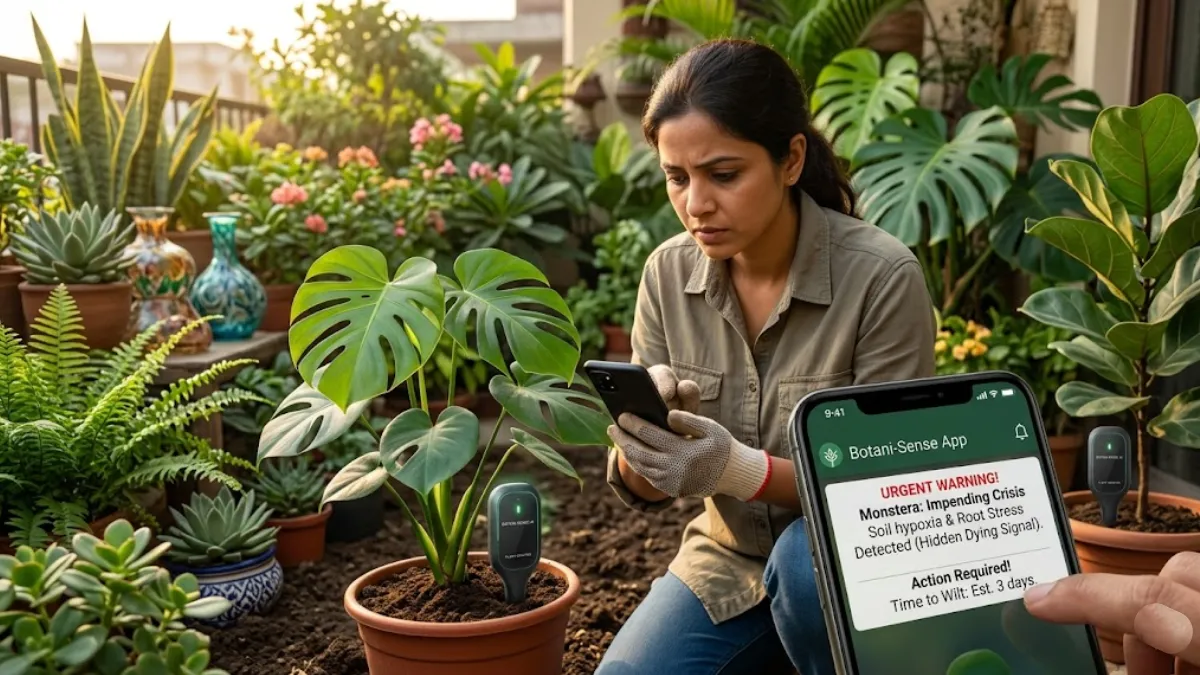
A tiny sensor in the soil quietly tracking moisture, nutrients, light. Even stress signals. Sending alerts before damage.
Feels futuristic. But it’s already here.
AI-powered plant health sensors are changing how we care for plants. Homes. Farms. Everywhere.
QUICK ANSWER
AI-powered plant health sensors monitor soil, light, humidity, and nutrients in real-time.
They use smart algorithms to predict plant stress early and send alerts to your phone.
Less guesswork. More healthy plants.
What Are AI-Powered Plant Health Sensors?
Not just gadgets. Think of them like plant doctors.
They sit in soil. Collect data.
Then AI analyzes patterns water levels, nutrient imbalance, even early disease signals.
Some connect to apps. Some automate watering.
Some even integrate into AI IoT based smart agriculture systems.
Simple idea. Powerful impact.
Top 5 Best AI Powered Plant Health Sensors (2026 Review)
Let’s not overcomplicate Here are the ones actually worth looking at.
1. Parrot Flower Power Sensor
One of the early smart sensors. Still relevant.
- Tracks soil moisture, light, temperature
- App gives plant-specific advice
- Good for beginners
Downside? No deep AI predictions. More data-based suggestions.
2. Xiaomi MiFlora (Mi Plant Sensor)
Budget-friendly. Surprisingly good.
- Measures moisture, fertility, light
- Works with mobile apps
- Popular in India
Not exactly “advanced AI” but smart enough for daily plant care.
3. Teralytic Soil Sensor
Now this is serious tech.
- Tracks 13+ soil parameters
- Uses cloud-based AI analysis
- Ideal for farms and serious collectors
Expensive. But powerful.
Used in AI sensors for agriculture setups widely.
4. Gardena Smart Sensor System
Clean design. Reliable.
- Measures soil moisture, temperature, light
- Integrates with smart irrigation
- Works well in gardens
More automation than intelligence but still effective.
5. Edyn Garden Sensor
This one tries to think ahead.
- Real-time soil + weather data
- AI-driven watering suggestions
- Learns plant behavior over time
Closer to true AI-based plant monitoring.
Story: One Sensor Saved 20 Plants
A small indoor nursery owner in Mumbai installed soil sensors.
Earlier? Guesswork. Watering randomly.
After sensors alerts came.
“Low moisture.”
“Too much sunlight.”
Within weeks plant losses dropped.
Not zero. But close.
Sometimes data changes everything.
AI in Agriculture: Bigger Than Houseplants
This isn’t just for your balcony.
AI sensors are now part of:
- AI-based crop disease detection projects
- Smart irrigation systems
- Automated farming robots
Even smart agriculture robots for plant disease detection and spraying are being tested.
Future? Already started.
Myth vs Reality
Myth: AI sensors replace plant care
Reality: They assist. You still need basics
Myth: Only for farms
Reality: Perfect for indoor plants too
Myth: Very expensive always
Reality: Budget options exist
Myth: 100% accurate
Reality: Still depends on correct setup
Practical Solutions: Should You Buy One?
Let’s keep it honest.
Buy if:
- You overwater. Often.
- You travel a lot
- You’re growing rare/expensive plants
Skip if:
- You enjoy manual plant care
- You already understand plant signals well
Smart Buying Tips
- Start with budget sensors (test first)
- Check app compatibility (important)
- Avoid fake “AI” branding
- Look for real-time alerts
Internal Linking (For IndoorPlantify)
- Read: How to avoid overwatering indoor plants
- Explore: Best smart gardening tools for beginners
- Guide: Indoor plant care mistakes you must avoid
AI Powered Plant Health Sensors in India (Reality Check)
Availability is improving.
You’ll find:
- Xiaomi MiFlora easily
- Imported sensors via Amazon/Flipkart
- Advanced sensors mostly for agriculture sector
But yes… still growing market.
Slowly. But surely.

Written by Editorial Staff Editor
This article was rigorously researched and compiled by our expert editorial team.