Climate-Resistant Indigenous Gardening
There’s something strange happening in home gardens lately. Summers feel longer. Rain comes late. Then suddenly too much rain. Plants struggle. Soil cracks. Even experienced gardeners get confused.And honestly? Modern gardening tricks don’t always work anymore.That’s why many people are slowly returning to something older. Indigenous gardening wisdom. Ancient planting methods that survived harsh climates long before chemical fertilizers and fancy irrigation systems existed.Simple methods. Smart methods. Quietly powerful.
Quick Answer
Climate-resistant indigenous gardening uses traditional local planting knowledge to grow food and plants sustainably during changing weather conditions. It focuses on native plants, water conservation, healthy soil, and climate-smart gardening techniques that naturally protect the environment.In many ways, indigenous gardening already knew the answers before climate change became a global discussion.
What Is Sustainable Gardening?
Sustainable gardening means growing plants in a way that protects nature instead of exhausting it. The goal is simple: healthy plants, less waste, lower water use, and stronger ecosystems.Not complicated.A sustainable garden usually includes:
- Native or climate-adapted plants
- Natural compost instead of chemical-heavy fertilizers
- Rainwater harvesting
- Mulching for soil protection
- Seasonal planting cycles
- Biodiversity support for birds and pollinators
This is why people searching for what is sustainable gardening often discover indigenous gardening methods very quickly. They overlap. A lot.Traditional communities have practiced sustainable gardening for centuries without even calling it “sustainable.” Funny thing, right?
How Does Gardening Help Climate Change?
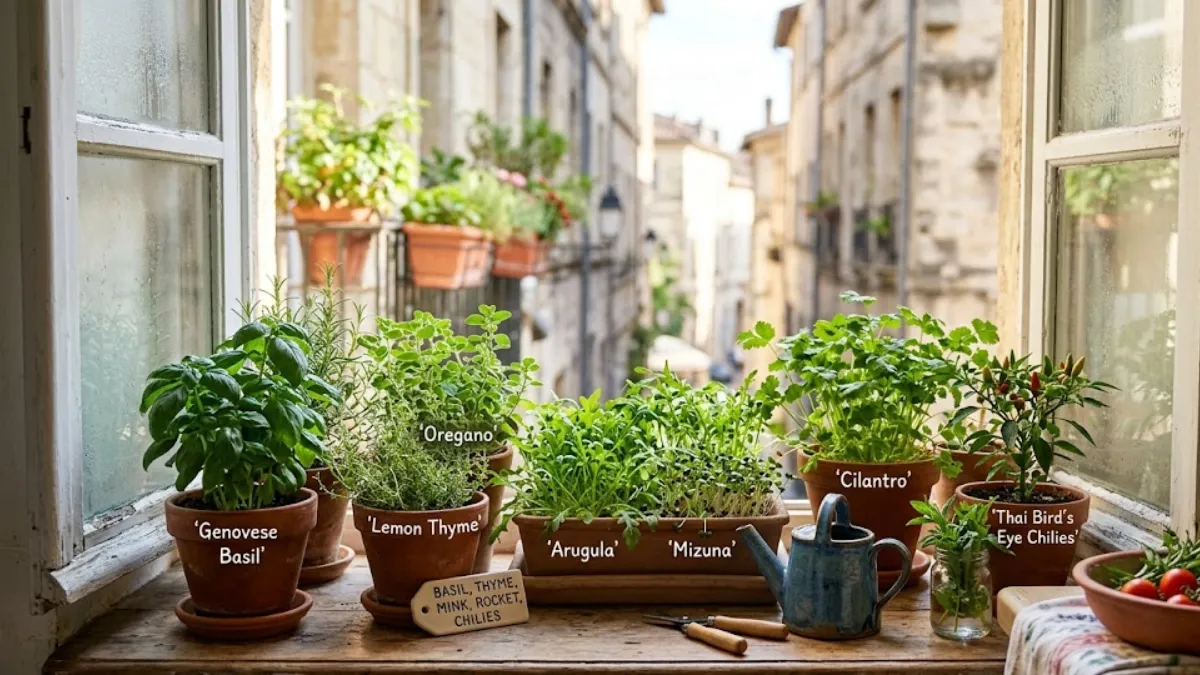
A small balcony garden may look tiny. But multiplied across cities? Huge impact.Plants absorb carbon dioxide. Soil stores carbon. Trees reduce urban heat. Even herbs on a window ledge help cool surrounding air slightly.That matters now.Climate-smart gardening also reduces dependence on industrial food systems, which produce massive emissions from transportation and packaging.And there’s another side nobody talks about enough.Gardening changes human behavior.People waste less food. Use less plastic. Notice seasons more carefully. They reconnect with nature again. Slowly.That emotional shift is powerful. Maybe more powerful than we think.
Indigenous Knowledge and Climate Change: Why Old Methods Work Again
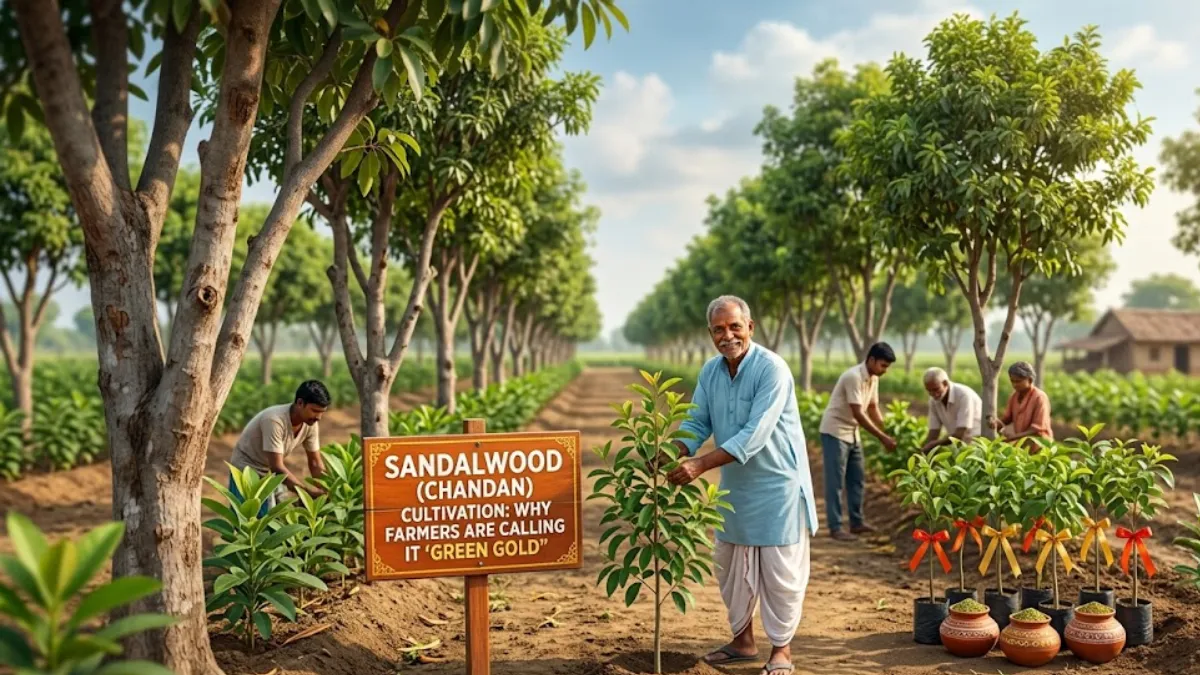
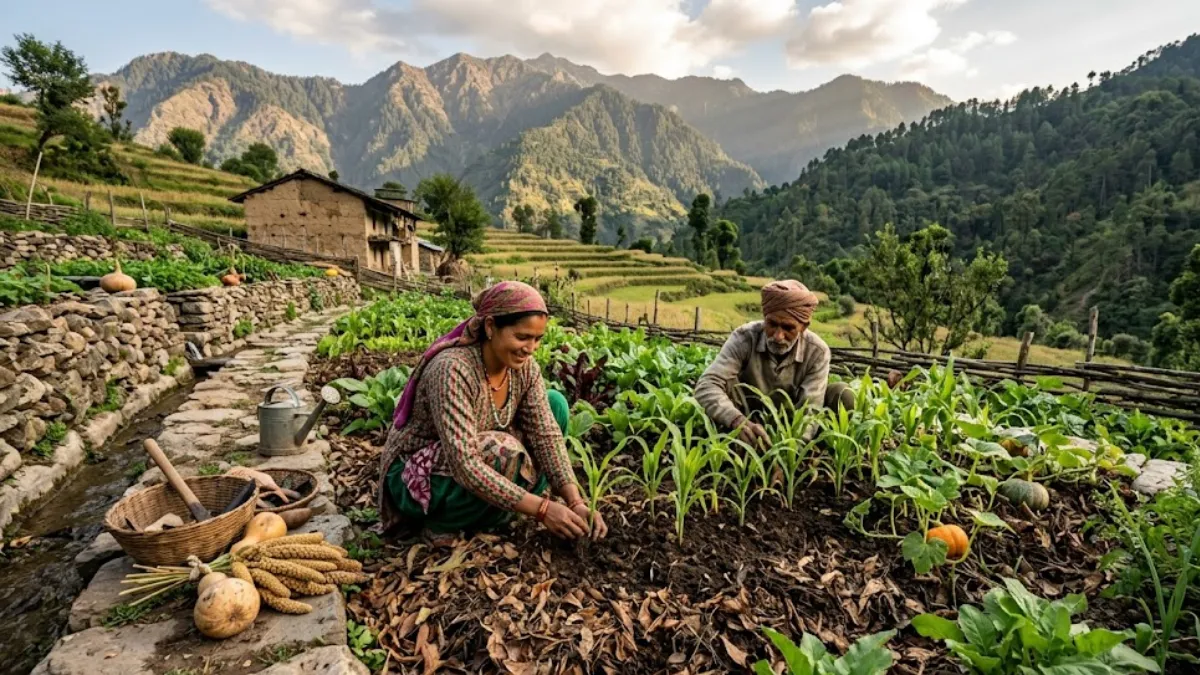
In Rajasthan, many traditional farmers planted drought-resistant crops long before “climate resilience” became a buzzword. Tribal communities in Northeast India still use mixed planting systems that naturally protect soil moisture.No expensive gadgets. Just observation passed through generations.Indigenous knowledge and climate change are deeply connected because traditional communities learned survival directly from land patterns. They watched birds. Wind. Soil texture. Rain timing.Modern science is now validating many of those methods.
For example:
- Mixed cropping reduces pest damage naturally
- Native plants survive heat better
- Dense ground cover prevents soil erosion
- Organic matter improves water retention
Honestly, some of these techniques sound basic. But they work. That’s the thing.
Climate-Smart Gardening for Indian Homes
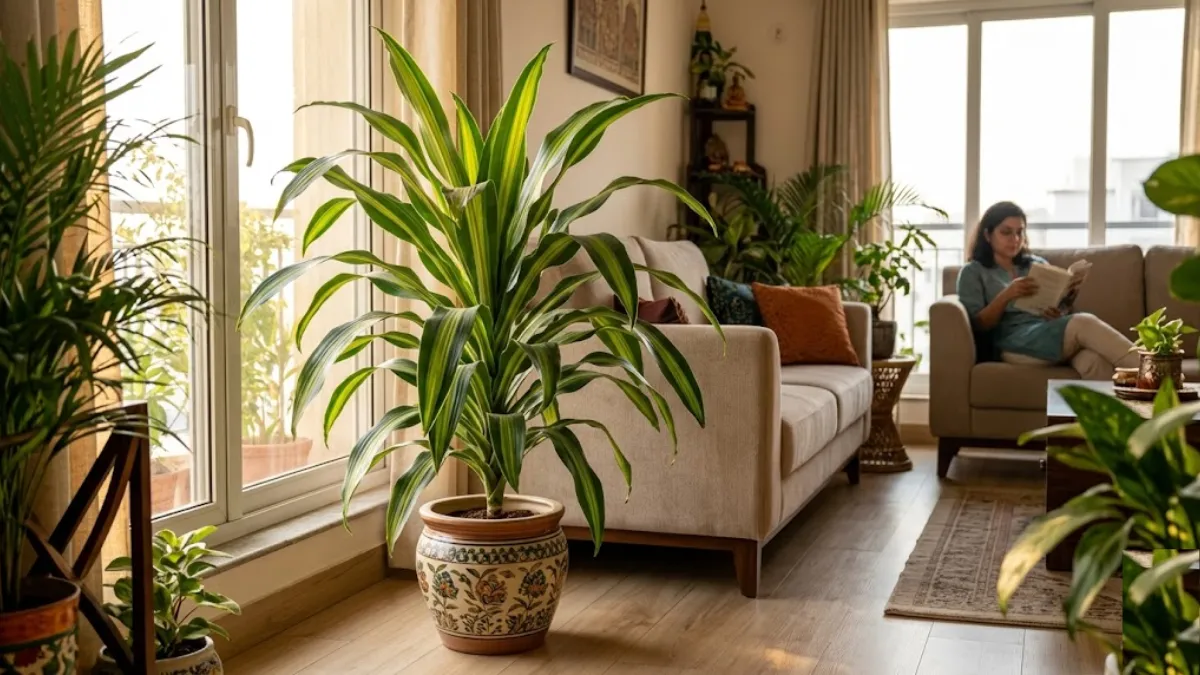
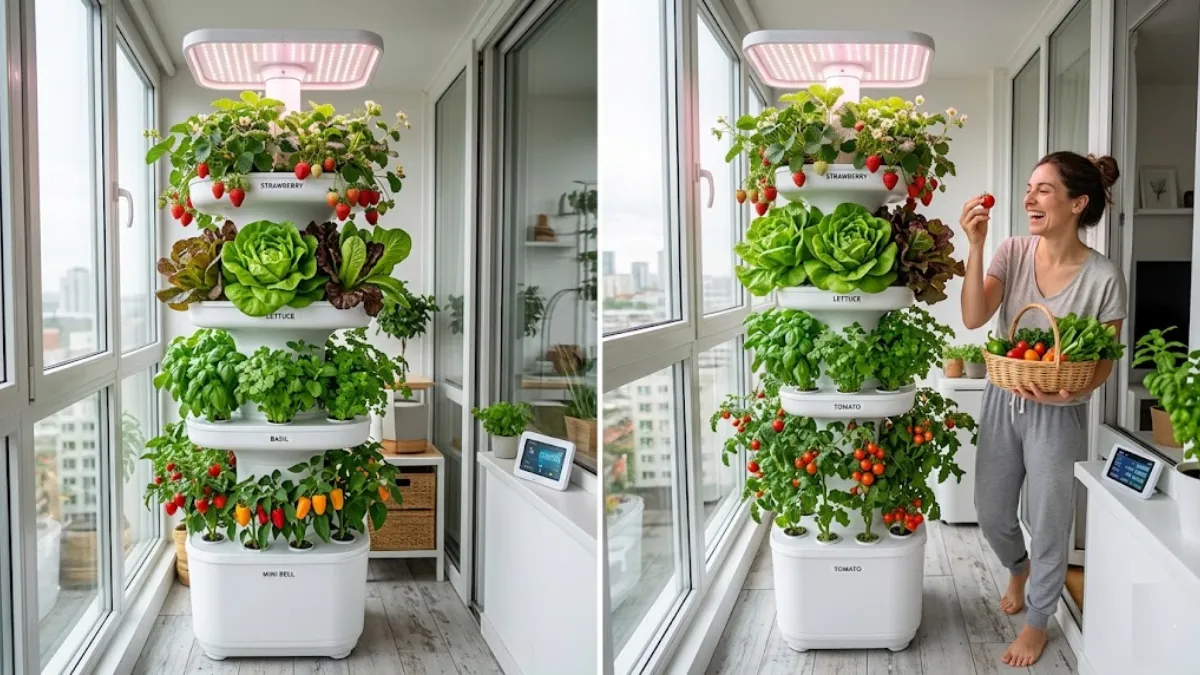
You don’t need a giant backyard to create a climate garden. Even apartment balconies can follow climate-smart gardening principles.
Start small.
Choose Native Plants
Native plants adapt better to local heat, humidity, and rainfall patterns. They also need less maintenance.Good examples for Indian homes include:
- Tulsi
- Lemongrass
- Curry leaf
- Areca palm
- Jasmine
- Aloe vera
They survive. Even when weather becomes unpredictable.
Mulching Changes Everything
Dry leaves. Coconut husk. Grass clippings.Mulch keeps soil cooler and prevents water evaporation during harsh summers. Indigenous farmers used this forever.
Still works today.
Save Rainwater
One bucket under a pipe can collect surprising amounts of water during monsoon season. Reusing that water reduces stress during dry weeks.
Tiny habit. Big effect.
Grow Seasonal Plants
Many gardeners fail because they grow plants against the natural season cycle. Indigenous gardening respects timing instead of forcing growth unnaturally.
Nature usually knows better.
Myth vs Reality
Myth: Sustainable gardens look messy
Reality: A well-designed climate garden can look lush, modern, and beautiful while still helping the environment.
Myth: Indigenous gardening is outdated
Reality: Many traditional methods are now considered advanced climate-smart gardening solutions.
Myth: Gardening can’t really help climate change
Reality: Urban gardening improves biodiversity, reduces heat, and supports cleaner air in crowded cities.
Why Sustainable Gardening Important Today
Because weather patterns are changing faster than most gardens can adapt.Because groundwater levels keep dropping.Because pollinators are disappearing.
And maybe because people are tired of disconnected living too.Gardening reconnects humans with cycles that modern life often hides away. You start noticing sunlight angles. Rain smell. Soil texture. Weird little things suddenly matter again.That changes people a bit.
Recommended Resources
If you want deeper learning, searching for a good sustainable gardening book focused on native ecosystems can help. Books on permaculture and indigenous farming traditions are especially useful for beginners.
You may also enjoy:
- Indoor composting guides
- Balcony vegetable gardening tutorials
- Native Indian plant care articles
Internal Links:
- /best-indoor-plants-for-clean-air
- /microgreens-farming-guide
- /low-maintenance-indoor-plants

Written by Editorial Staff Editor
This article was rigorously researched and compiled by our expert editorial team.