Vertical Hydroponics for Urban Apartments: Tiny Space, Big Harvest
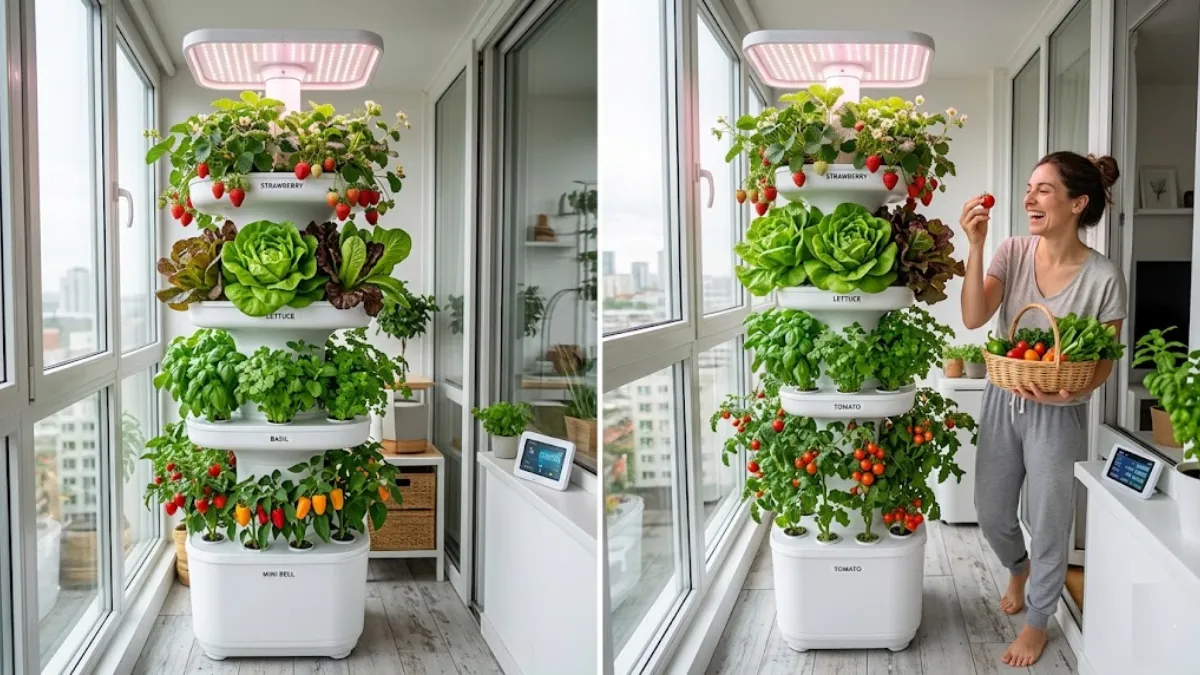
City life feels cramped sometimes. Concrete everywhere. Tiny balconies. Windows that barely get enough sunlight. Yet people still dream of growing fresh food at home. Strange thing? It’s actually possible now.That’s where vertical hydroponics for urban apartments in India is becoming a game changer. Small setup. Less water. No soil mess. And honestly, it looks pretty cool too.
Quick Answer
Vertical hydroponics is a space-saving gardening method where plants grow upward using water and nutrients instead of soil. It works especially well in urban apartments because it needs very little space and can grow herbs, lettuce, spinach, and even strawberries indoors.
Why Urban Apartments Need Vertical Hydroponics
A friend in Mumbai started growing basil in an old plastic pipe near his kitchen window. Nobody believed it would work. Three weeks later? Fresh basil for pasta every weekend.
That’s the beauty of an indoor vertical garden hydroponics setup. You don’t need land anymore. Just a little corner.
Benefits people love:
- Uses up to 90% less water
- Perfect for balconies and kitchens
- Cleaner than traditional gardening
- Faster plant growth
- Less pests. Huge relief honestly.
In Indian cities where apartment space costs a fortune, vertical gardening just makes sense.
Best Vertical Hydroponics for Urban Apartments
Not every system works for tiny homes. Some are too bulky. Some are expensive for no reason.Here are the most practical vertical gardening systems for apartments:
1. PVC Pipe Tower System
Simple. Cheap. Beginner-friendly.Plants grow from holes cut into vertical pipes while nutrient-rich water flows continuously inside.
Great for:
- Spinach
- Mint
- Lettuce
- Coriander
This is probably the easiest Hydroponic vertical Garden DIY setup you can build at home.
2. Stackable Tower Systems
These ready-made towers look modern and save insane amounts of space.Perfect for people who want:
- Low maintenance
- Stylish indoor setup
- Faster installation
A bit expensive though.
3. Wall-Mounted Hydroponic Frames
Seen these in cafes lately? They’re beautiful.These systems attach directly to walls and create a living green panel inside apartments.
Tiny apartment. Big impact.
DIY Vertical Hydroponics for Urban Apartments
Honestly, DIY systems are more fun. And cheaper too.You can create a basic Diy vertical hydroponics for urban apartments setup using:
- PVC pipes
- Small water pump
- Net pots
- Cocopeat or clay balls
- Nutrient solution
- Plastic reservoir bucket
Basic Setup Process
- Cut planting holes in PVC pipe
- Connect pipe vertically
- Attach small water pump
- Let nutrient water circulate
- Add seedlings
Done. More or less.Even beginners can build a small Vertical Hydroponics system over a weekend.
Vertical Hydroponic System Diagram Explained
Most people get confused seeing technical diagrams online. But the concept is actually very simple.A standard Vertical hydroponic system diagram usually includes:
- Water reservoir at the bottom
- Pump lifting nutrient water upward
- Vertical pipe/tower holding plants
- Water dripping down through roots
- Excess water recycled back
That’s it. Circular system. Efficient. Smart.
Myth vs Reality
Myth: Hydroponics is too expensive
Reality:
Basic DIY systems can be built under a modest budget using locally available materials.
Myth: Plants need soil to grow
Reality:
Plants mainly need nutrients, water, light, and oxygen. Soil is just one medium.
Myth: Only experts can do hydroponics
Reality:
Even beginners successfully grow herbs indoors after watching a few tutorials and experimenting a little.
Mistakes happen though. Totally normal.
Practical Tips for Better Results
Use leafy greens first
Start with mint, spinach, lettuce, or basil. Easier to manage.
Don’t overfeed nutrients
Too much nutrient solution can damage roots quickly.
Ensure proper sunlight
Most systems need 4–6 hours of indirect sunlight or LED grow lights.
Clean the system regularly
Neglecting maintenance causes algae buildup. Happens faster in humid Indian weather.
Internal Linking Suggestions
- Best Low-Light Indoor Plants for Apartments
- Beginner’s Guide to Balcony Vegetable Gardening
- Smart Indoor Gardening Ideas for Small Homes

Written by Editorial Staff Editor
This article was rigorously researched and compiled by our expert editorial team.