AI-Driven Gardening: The Best Smart Sensors of 2026
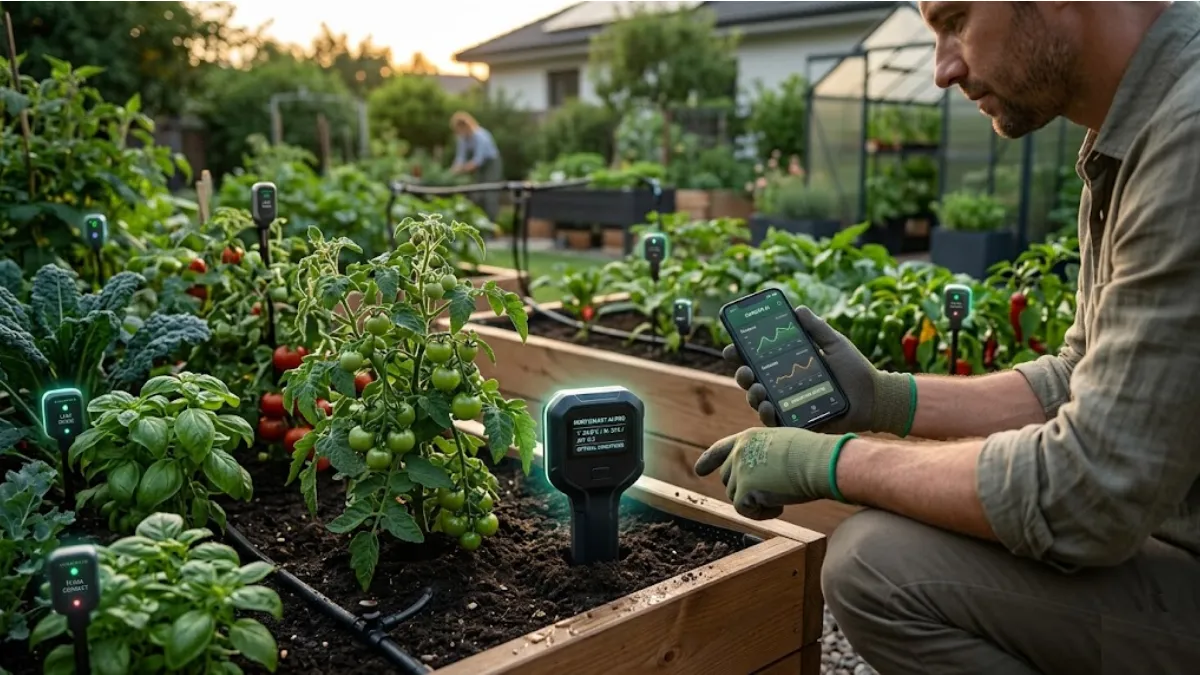
There was a time when plant care depended on guesswork. Too much water. Too little sunlight. Dead basil plants sitting sadly near the kitchen window. Happens more than people admit.But 2026 feels different.Now your garden talks back. Quietly. Through sensors, apps, AI alerts, and tiny glowing devices pushed into soil like little plant doctors. Strange? Maybe. Helpful? Very.And honestly some of these smart gardening tools are getting scary accurate.
Quick Answer
The best AI-driven gardening sensors of 2026 monitor soil moisture, temperature, humidity, nutrients, and light in real time. They help indoor gardeners grow healthier plants with less effort while also powering large-scale systems like AI plant factory operations and AI power plants.Small devices. Big difference.
Why AI Gardening Suddenly Became Huge in 2026
People got busy. Apartments got smaller. Plants still needed care.That’s where AI-driven gardening entered the picture.Instead of checking soil manually every morning, smart sensors now collect data every few seconds. Then AI systems analyze patterns and suggest exactly what the plant needs. Water. Shade. Nutrients. Even airflow adjustments.
Feels futuristic. Because it kinda is.Large commercial growers are already using AI plant factory systems where sensors control everything automatically — lighting schedules, nutrient dosing, humidity balance, and even pest detection.But home gardeners? They are joining too.Especially indoor plant lovers.
Best Smart Sensors for Indoor Gardens in 2026
1. SoilSense AI Pods
These tiny sensors became popular fast. Mostly because they are simple.Push them into the soil and they track:
- Moisture levels
- Root temperature
- Fertilizer balance
- Sunlight exposure
Then the app sends alerts like “Your Monstera looks thirsty.”Funny. But useful.For beginners, this removes the fear of overwatering. Which honestly kills more plants than anything else.
2. GrowMind Vision Sensors
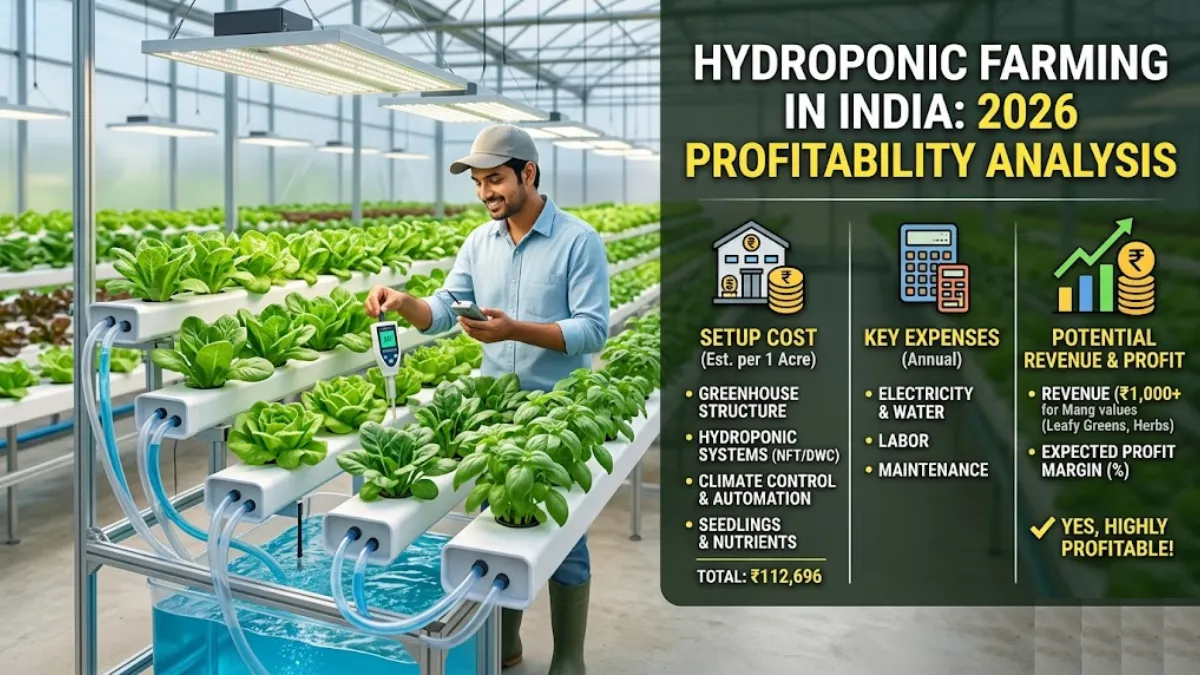
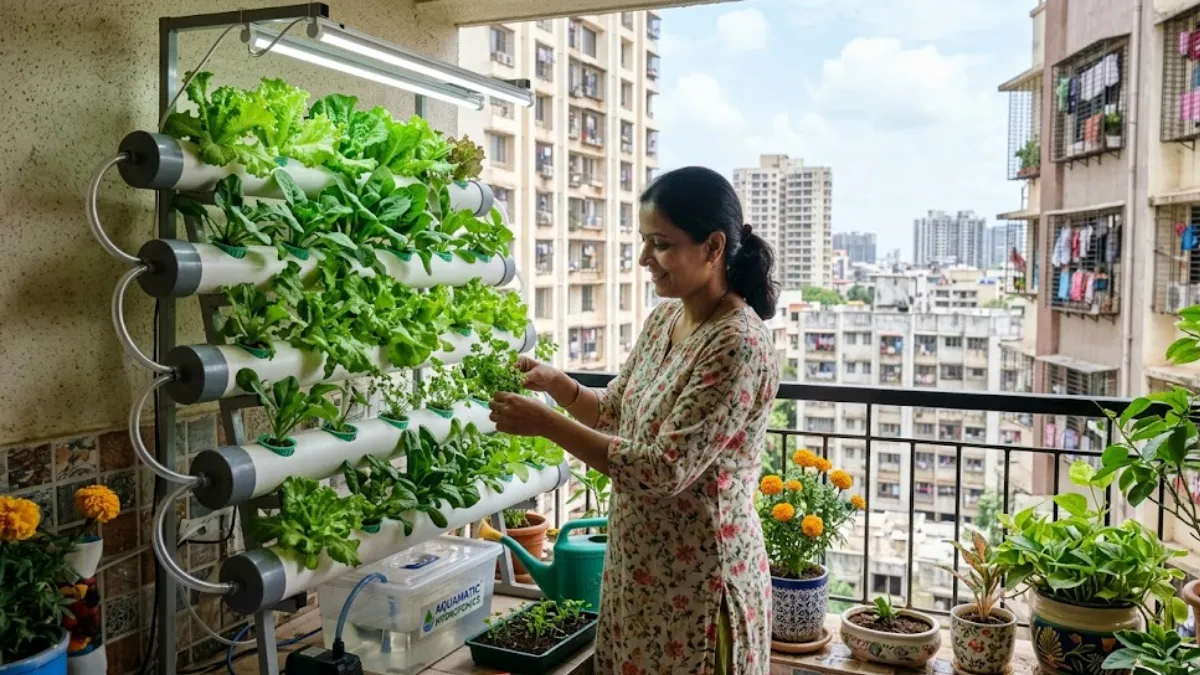
This one feels almost unreal.Instead of just checking soil, GrowMind uses AI cameras to visually monitor leaves. It can detect yellowing, fungal spots, and nutrient stress before humans even notice it.Very common now in commercial AI plant factory environments.Some urban farms in India are already integrating these systems into hydroponic towers. The results look promising. Lower water waste too.And yes, expensive. Very.
3. EcoRoot Climate Sensors
Indoor plants suffer silently when room conditions change.Fans. AC airflow. Dry winter air.EcoRoot sensors constantly measure:
- Room humidity
- Air quality
- Temperature shifts
- CO₂ levels
This matters more than people think.A plant can survive in bad conditions. Thrive? Different story.
The Rise of AI Power Plants in Gardening
Not everyone understands what AI power plants actually means in gardening tech.It’s not about electricity plants alone.
In 2026, AI power plants often refers to AI-managed agricultural systems that optimize energy usage for grow lights, irrigation systems, and climate control automatically.
Basically smarter energy management.Indoor farms now use predictive AI to reduce electricity waste by adjusting lighting intensity based on weather forecasts and plant growth stages.Less waste. Better yields.Pretty smart honestly.
Myth vs Reality
Myth: AI gardening means zero work
Reality? Not exactly.Plants still need human attention. You still prune leaves, rotate pots, and sometimes just observe them quietly with your morning tea.
AI only removes the confusion part.
Myth: Smart sensors are only for rich people
Reality: Prices dropped heavily in 2026.Many decent smart sensors now cost less than a fancy ceramic planter.
Myth: AI systems replace gardening joy
Actually… many users say the opposite.When plants stop dying randomly, gardening becomes more relaxing.
Makes sense.
Practical Tips Before Buying Smart Plant Sensors
Choose sensors with app alerts
Real-time notifications matter more than fancy dashboards.
Simple wins.
Battery life is important
Some cheap sensors die every two weeks. Extremely annoying.
Look for rechargeable or solar-assisted models.
Start small
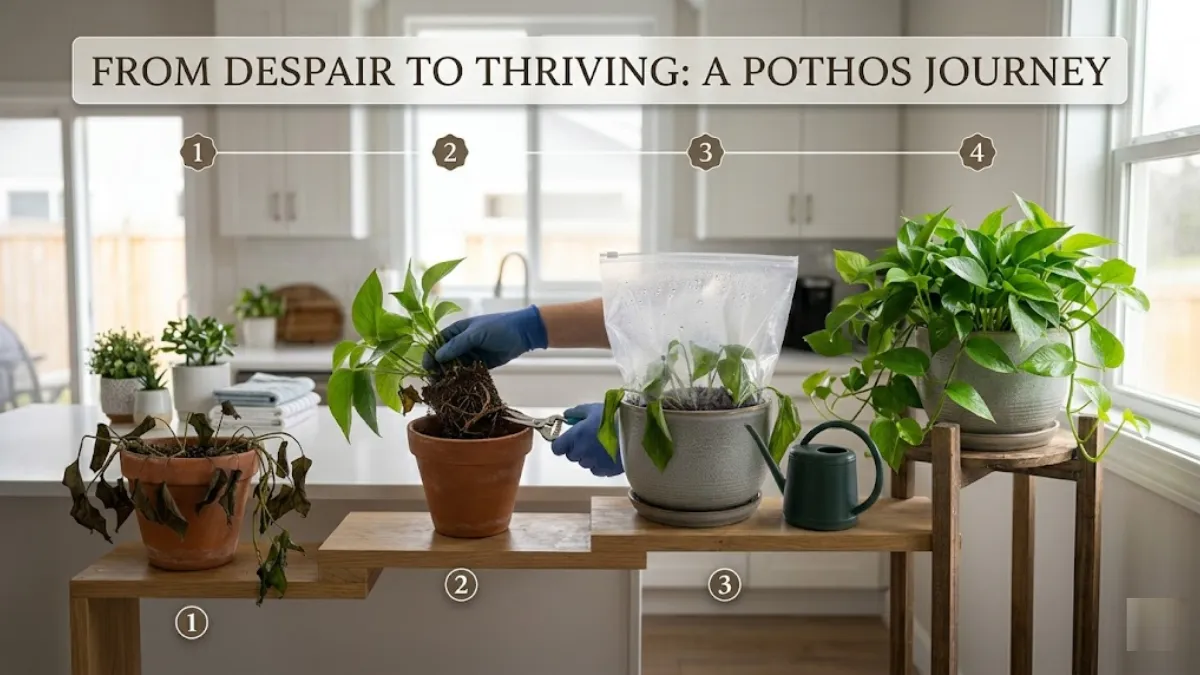
You don’t need a full AI plant factory setup for three pothos plants.
Begin with one moisture sensor. Learn slowly.
Internal Linking Suggestions
- Best Low-Light Indoor Plants for Apartments
- DIY Hydroponic Gardening Setup for Beginners
- Why Your Indoor Plants Keep Dying

Written by Editorial Staff Editor
This article was rigorously researched and compiled by our expert editorial team.