Climate-Resilient Edible Gardens That Thrive in Heat & Drought
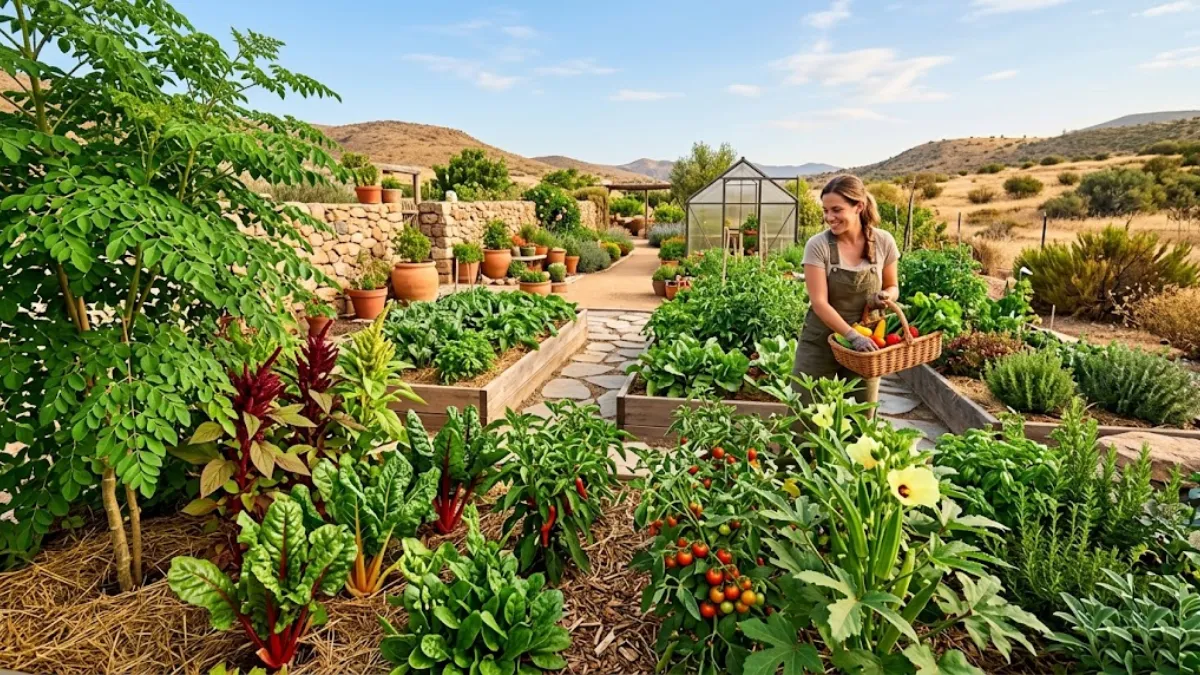
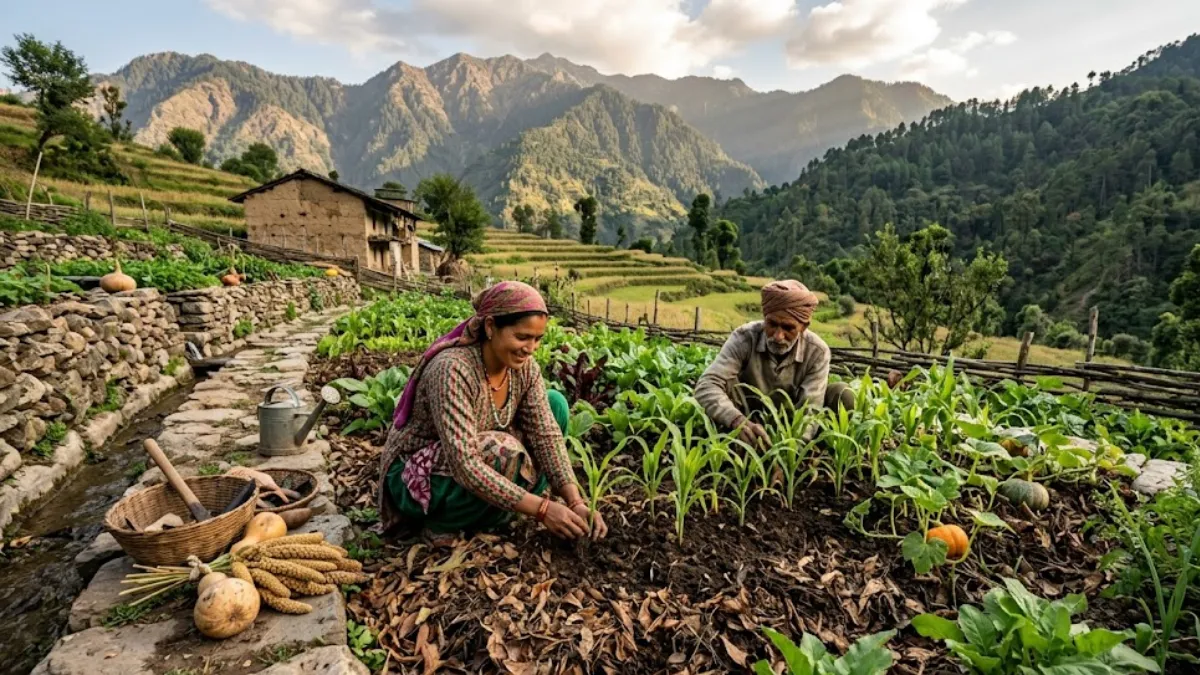
Last summer, a small balcony garden in Delhi almost completely dried out. Tomatoes collapsed first. Spinach followed. But strangely, one little okra plant kept growing like nothing happened. Tough. Green. Alive.That’s when many home gardeners started noticing something important. Climate is changing fast. Water is becoming expensive. Heatwaves are longer now. And traditional gardening methods? Sometimes they just don’t work anymore.So people are shifting toward climate-resilient edible gardens. Smart gardens. Low-water gardens. Gardens that survive even when rains disappear for weeks.And honestly, it makes sense.
Quick Answer
Climate-resilient edible gardens use heat and drought tolerant vegetables, fruits, and crops that need less watering while still producing food. Plants like okra, amaranth, eggplant, cowpea, and sweet potato are becoming popular because they survive extreme summer conditions much better than water-hungry crops.Updated based on latest indoor plant research (2026).
Why Drought-Tolerant Gardening Is Suddenly Trending
A few years ago, gardeners mostly cared about yield. Bigger tomatoes. Faster harvests. More flowers.Now? Survival matters too.Heat stress destroys roots. Dry soil weakens growth. Even morning watering sometimes feels useless during peak summer. Many people are now choosing drought resistant crops because they simply want a garden that doesn’t die every May.Small change. Big difference.
Best Heat and Drought Tolerant Vegetables for Home Gardens
Okra
Probably one of the toughest vegetables ever. It actually loves heat. While other plants struggle, okra keeps producing.
And it needs surprisingly less water once established.
Eggplant (Brinjal)
Eggplants handle high temperatures much better than leafy vegetables. Deep roots help them survive dry periods longer.Indian homes already grow it commonly. Good choice honestly.
Cowpea
Cowpea is widely used in drought resistant crops Africa farming systems because it survives in poor soil and low rainfall regions.
Plus, the harvest is reliable.
Sweet Potato
Sweet potato vines spread fast and protect soil moisture naturally. One of the easiest low-maintenance edible crops for beginners.
Amaranth Greens
Fast growing. Heat tolerant. Nutritious too. Even during brutal summers, amaranth usually survives better than spinach.
5 Crops Which Require Less Water
If you want a truly low-water edible garden, start with these:
- Okra
- Cowpea
- Sweet Potato
- Eggplant
- Millet
These plants are often included in lists explaining drought tolerant crops meaning because they continue growing with limited irrigation.
Drought Tolerant Fruits You Can Grow
Not all fruits are water-hungry. Some actually prefer dry climates.
Pomegranate
Very hardy plant. Handles hot Indian summers extremely well once mature.
Fig
Figs grow surprisingly good in containers and need much less watering than tropical fruits.
Dragon Fruit
A modern favorite. Minimal water needs and looks exotic too.
Ber (Indian Jujube)
One of the most underrated drought tolerant fruits in India. Tough tree. Sweet fruits. Barely complains.
Myth Vs Reality
Myth: Drought-tolerant plants never need watering
Reality: They still need water during early growth stages. Just less frequently later.
Myth: Heat-resistant crops produce less food
Reality: Many drought-resistant crops examples like millet and cowpea remain highly productive even in extreme temperatures.
Myth: Dry gardens look boring
Reality: Modern climate-resilient gardens actually look wild, lush, and natural. Very aesthetic honestly.
The Rise of Drought-Resistant Crops Biotechnology
Scientists are now developing drought-resistant crops biotechnology solutions to help farming survive climate change.
This includes:
- Improved seed genetics
- Better root systems
- Heat-resistant crop varieties
- Faster moisture retention abilities
Even home gardeners are benefiting because seed companies now offer stronger drought tolerant vegetable seeds for terrace and balcony gardens.
Interesting time for gardening actually.
Practical Ways to Build a Climate-Resilient Garden
Mulch Everything
Dry leaves. Coconut husk. Straw. Anything works.Mulching keeps soil cooler and reduces water loss fast.
Water Early Morning
Evening watering sometimes increases fungal issues during humid weather.Morning works better mostly.
Grow Native Plants
Local varieties adapt better naturally. Imported fancy plants often struggle in Indian heat.
Use Deep Containers
Shallow pots dry out too quickly during heatwaves.Very important mistake many beginners make.
Related IndoorPlantify Guides
- Best Indoor Plants for Summer Heat
- Low-Maintenance Balcony Gardening Ideas
- Smart Watering Tips for Indoor Plants

Written by Editorial Staff Editor
This article was rigorously researched and compiled by our expert editorial team.