The Healing Power of Plants: Why Therapeutic Horticulture Is Changing Lives in 2026
You water a plant.It grows.But something else grows too. Quietly. Inside you.I didn’t believe this at first. Honestly, it sounded like one of those “feel-good” ideas. Until I saw a stressed friend burnt out, anxious start spending 20 minutes a day with plants. No big routine. Just being there.Within weeks, something shifted.That’s the real story behind therapeutic horticulture. Not just gardening. Not just plants. Something deeper.
Quick Answer
Therapeutic horticulture is the use of gardening and plant-based activities to improve mental, emotional, and physical well-being.It helps reduce stress, boost mood, and even support recovery without feeling like therapy at all.
What Is Therapeutic Horticulture (Really)?
Let’s keep it simple.Therapeutic horticulture means using plants and gardening activities to help people feel better mentally, emotionally, even physically.But here’s the twist.It’s not always clinical. It’s not always structured. Sometimes it’s just:
- Repotting a plant after a long day
- Watching new leaves unfold
- Or just sitting near greenery
That counts.Unlike strict therapy models, therapeutic horticulture programs can be flexible. Community gardens, hospitals, schools, even homes in India now use it.And yes it works.
Therapeutic Horticulture Examples (Real Life, Not Theory)
You don’t need a big garden. Or a certificate.Here are simple, real-world examples:
- A corporate employee growing snake plants on their desk to reduce stress
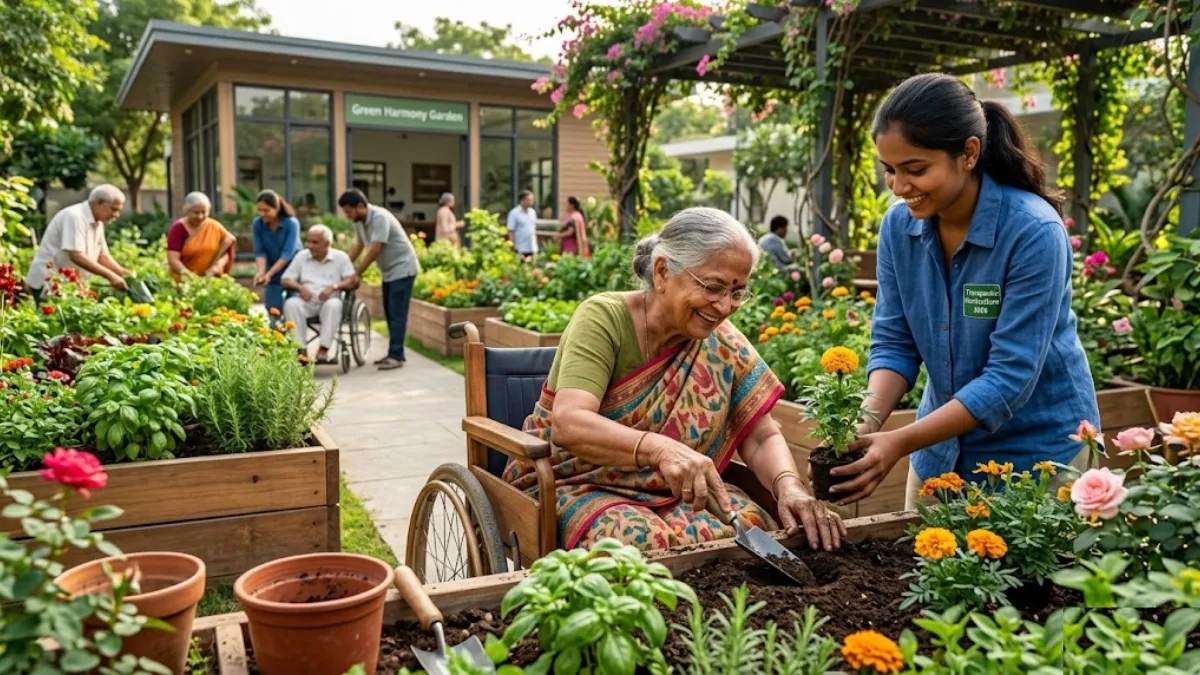
- Elderly people in care homes watering plants daily to build routine
- Children learning patience by growing herbs like mint or tulsi
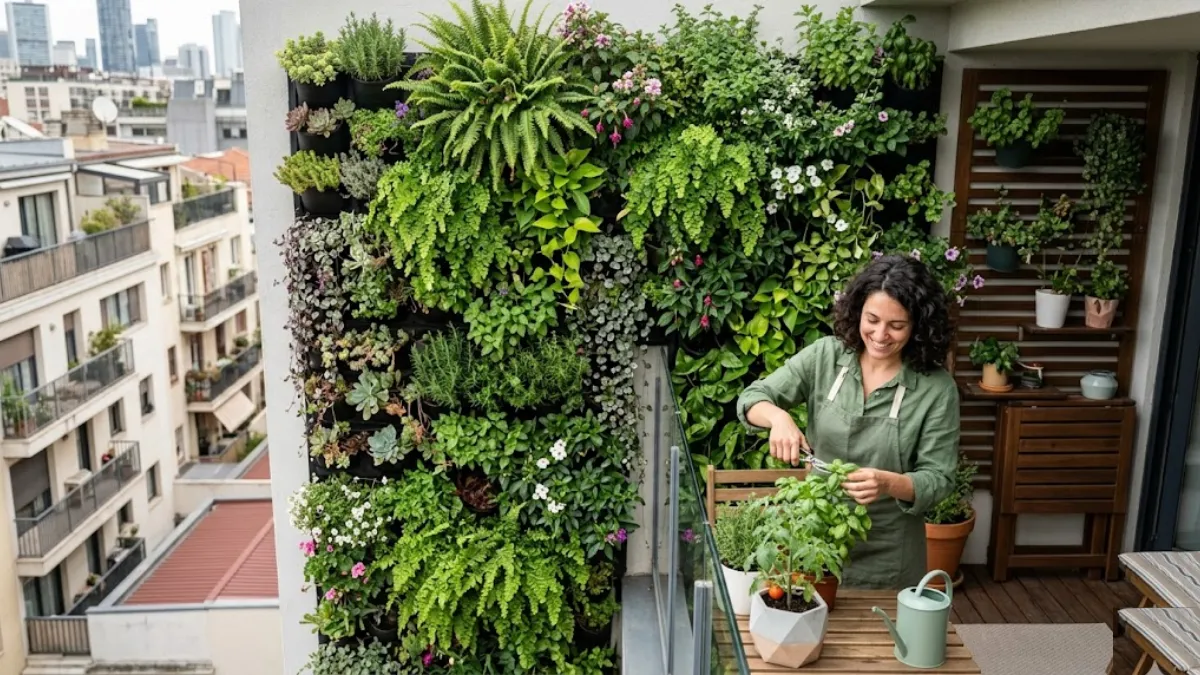
- People recovering from burnout using balcony gardening as therapy
Small actions. Big impact.
Horticultural Therapy vs Therapeutic Horticulture
This confuses a lot of people. Fair.
Horticultural Therapy
- Structured and clinical
- Led by trained professionals
- Used in hospitals or rehab centers
Therapeutic Horticulture
- More casual and flexible
- No professional needed
- Can be done at home
So if you're just starting… you’re already doing therapeutic horticulture. You just didn’t call it that.
Why Is Therapeutic Horticulture Trending in 2026?
Because people are tired.Too much screen time. Too much pressure. Not enough pause.Recent indoor plant research (2026) shows:
- Plants reduce cortisol (stress hormone)
- Green spaces improve focus and mood
- Daily plant care builds emotional stability
And here’s the thing nobody says loudly…Plants don’t judge. They just grow. Slowly. With you.
Therapeutic Horticulture Techniques You Can Start Today
No course needed. No fancy setup.Try this:
1. Slow Watering Ritual
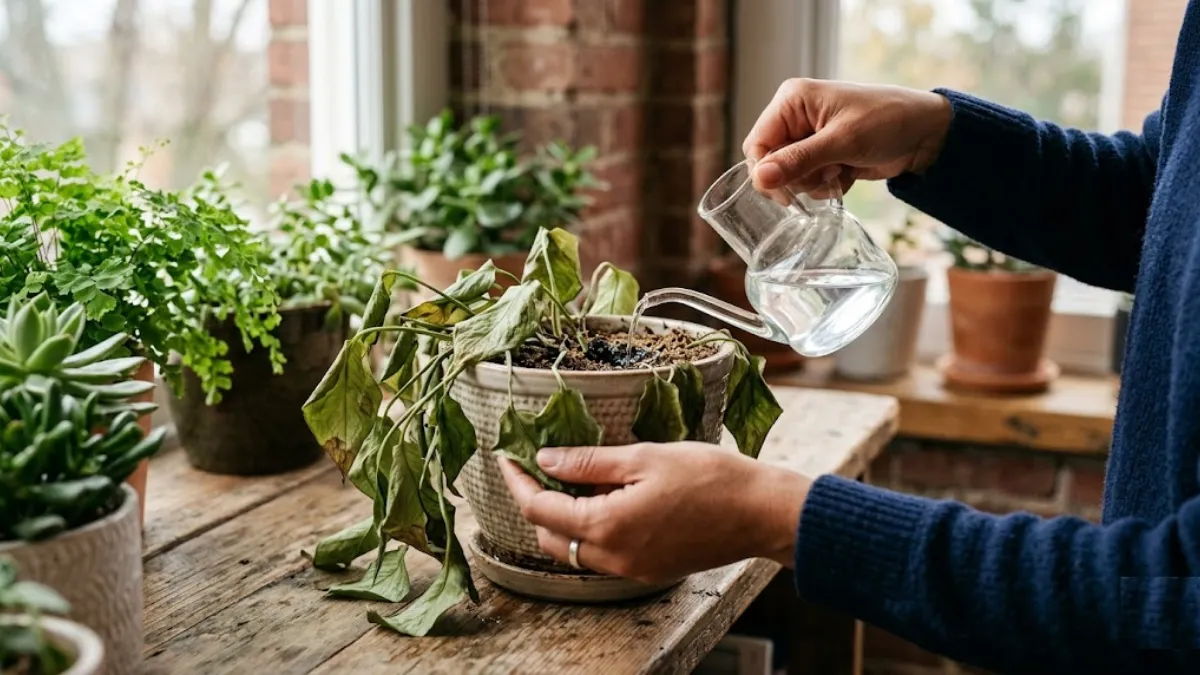
Don’t rush. Observe soil. Feel the process. It becomes meditative.
2. Leaf Observation
Sounds odd. But just watching new growth helps calm your mind.
3. Touch the Soil
Yes. Literally. Soil contact is linked to mood improvement.
4. Routine Care
Even 10 minutes daily builds discipline and reduces anxiety.
5. Grow Something Edible
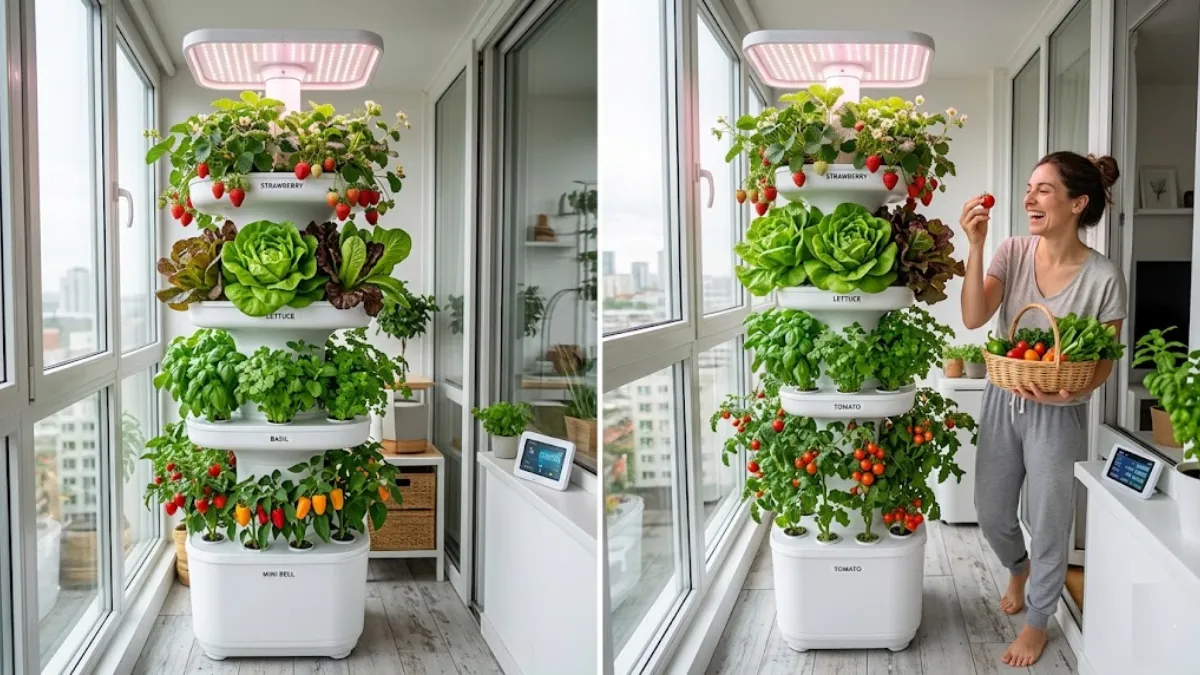
Mint. Coriander. Basil. Seeing something grow that you can eat… different feeling.
Myth vs Reality
Myth: It’s just a hobby
Reality: It’s scientifically linked to mental health improvement
Myth: You need a big garden
Reality: A single plant is enough
Myth: Only older people do this
Reality: Gen Z and millennials are driving this trend
Myth: It takes too much time
Reality: Even 10–15 minutes works
Therapeutic Horticulture Courses & Careers
Now this is where things get interesting.If you want to go deeper, there are:
- Therapeutic horticulture certificate programs
- Online therapeutic horticulture courses
- Workshops and training sessions
Career options include:
- Horticultural therapist
- Wellness consultant
- Community garden coordinator
- Rehabilitation program assistant
Search trends for therapeutic horticulture jobs are rising. Slowly, but steady.Even in India.
Practical Solutions: How to Start (Without Overthinking)
Start small. Seriously.
- Buy 1 low-maintenance plant (snake plant or pothos)
- Set a daily 10-minute “plant time”
- Avoid overwatering (common mistake)
- Place plants near natural light
- Track growth weekly
And don’t aim for perfection.Plants don’t.
Internal Resources You Might Find Helpful
- IndoorPlantify Guide: Best Low Maintenance Indoor Plants for Beginners
- IndoorPlantify Resource: How to Fix Overwatering in Houseplants
- IndoorPlantify Insight: Indoor Plants That Improve Mental Health

Written by Editorial Staff Editor
This article was rigorously researched and compiled by our expert editorial team.