Commercial Vertical Farming: Starting an Urban Farm in 2026
Three years ago, a small warehouse near Agra was sitting empty. Dusty walls. Broken fans. Nobody cared about it.Today? That same place grows lettuce, spinach, basil, and exotic greens every single week. Indoors. Without soil. Without depending on rain.That’s the crazy rise of commercial vertical farming in India. And honestly, 2026 looks even bigger.Urban farming is no longer just a YouTube experiment. It’s turning into a serious business model for young entrepreneurs near Agra, Firozabad, Delhi NCR, Pune, Bengaluru, and many Tier-2 cities too.Small space. Higher yield. Less water. Bigger demand. Simple.
Quick Answer
Commercial vertical farming means growing crops in stacked indoor systems using hydroponics, LED lights, and climate control. In India, urban farms are becoming profitable because cities need fresh pesticide-free vegetables all year.For beginners in 2026, leafy greens, herbs, and microgreens are the easiest crops to start with.
Why Vertical Farming is Growing Fast in India
Traditional farming feels harder every year. Weather changes suddenly. Water shortage happens. Labor costs go up.People want cleaner food now. Restaurants too.That’s where vertical farming and urban agriculture enters the picture.Instead of growing horizontally on acres of land, farmers grow vertically inside buildings or containers. One room can produce what a large outdoor field sometimes cannot.Pretty wild honestly.In cities near Agra and Firozabad, many entrepreneurs are exploring warehouse farming because land prices are lower compared to metros. Plus nearby urban markets create fast selling opportunities.And yes. Customers pay more for fresh premium greens.
How Commercial Vertical Farming Actually Works
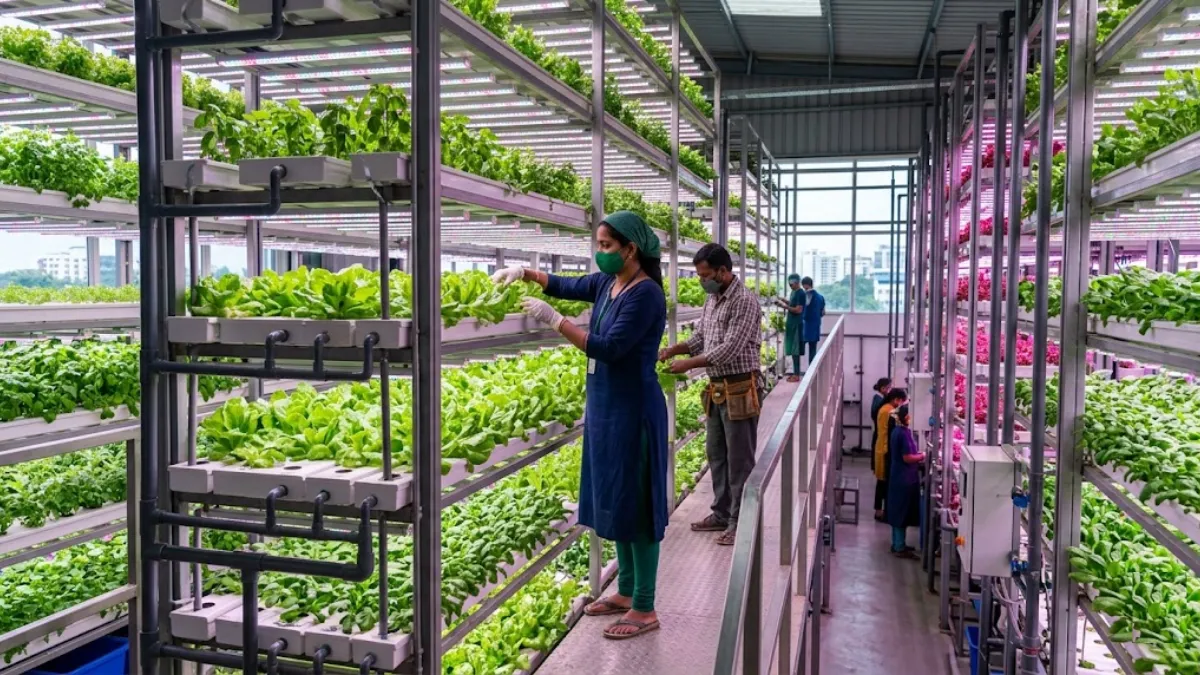
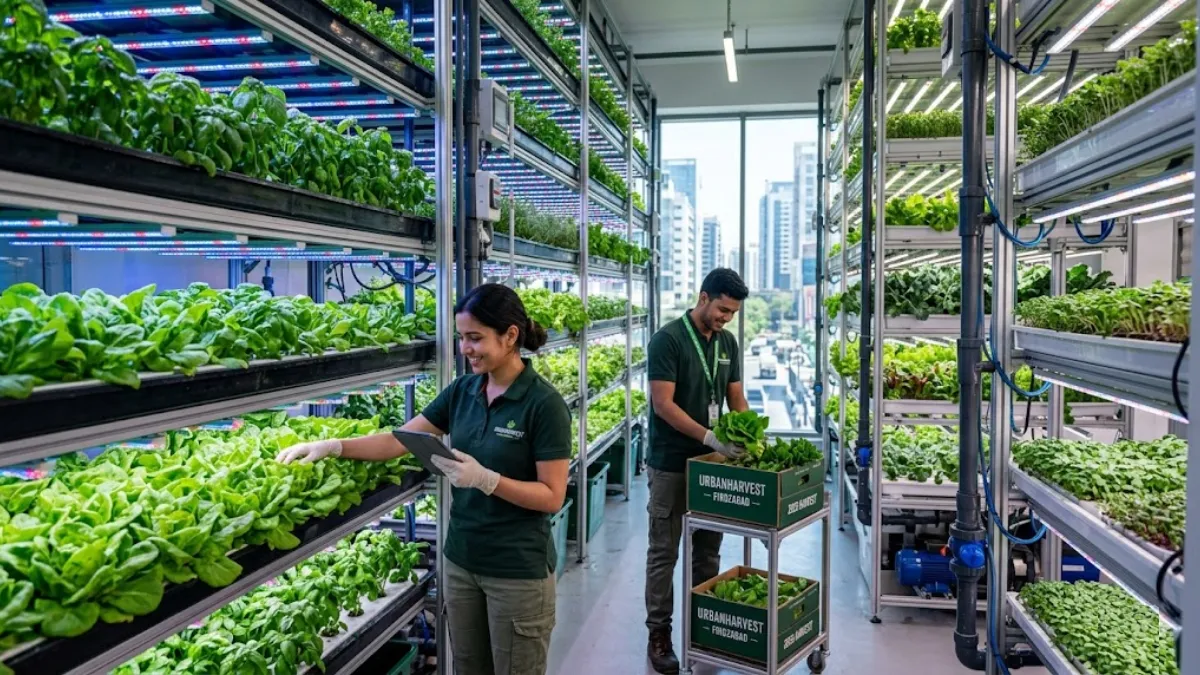
Imagine metal racks stacked upward. Plants grow in rows. Nutrient-rich water flows through pipes. LED grow lights replace sunlight when needed.No mud. No weeds. Less mess.Most urban farming systems in India use:
- Hydroponics
- NFT channels
- Climate control fans
- LED grow lights
- Water recycling systems
The biggest advantage? Water usage drops massively. Sometimes up to 90% lower than traditional farming.
That’s huge for Indian cities.
Best Crops for Urban Farming in 2026
Not every crop works well indoors. Beginners often make this mistake.Start simple first.Best profitable crops include:
Leafy Greens
Lettuce, spinach, kale, pak choi. Fast growth. High demand.
Herbs
Basil, mint, parsley, coriander. Restaurants buy regularly.
Microgreens
Tiny crops. Very profitable. Harvest within 10–15 days sometimes.
Strawberries
Higher investment. But premium pricing too.Many vertical farming startups in India are avoiding wheat or rice because they require larger spaces and lower profit margins indoors.
The Real Costs Nobody Talks About
This part shocks many beginners.Commercial vertical farming setup costs are not cheap initially. Electricity, cooling systems, automation, and lighting can become expensive very quickly.
A small commercial setup in India may start from ₹5–10 lakh depending on scale.But operational efficiency matters more than size.Some people start with one room only. Smart move honestly.
Then slowly expand after securing buyers.
Myth vs Reality
Myth: Vertical farming needs huge land
Reality:
Many successful farms operate inside small urban buildings.
Myth: Only tech experts can do it
Reality:
Basic hydroponic systems are easier than people think.
Myth: Profit comes instantly
Reality:
Most farms need proper planning and stable buyers first.
Practical Tips Before Starting
Find buyers before growing
This changes everything. Restaurants, cafes, hotels, organic stores secure them early.
Start with low-risk crops
Leafy greens are safer than expensive experimental crops.
Control electricity costs
Energy becomes a major expense in indoor farming.
Learn small first
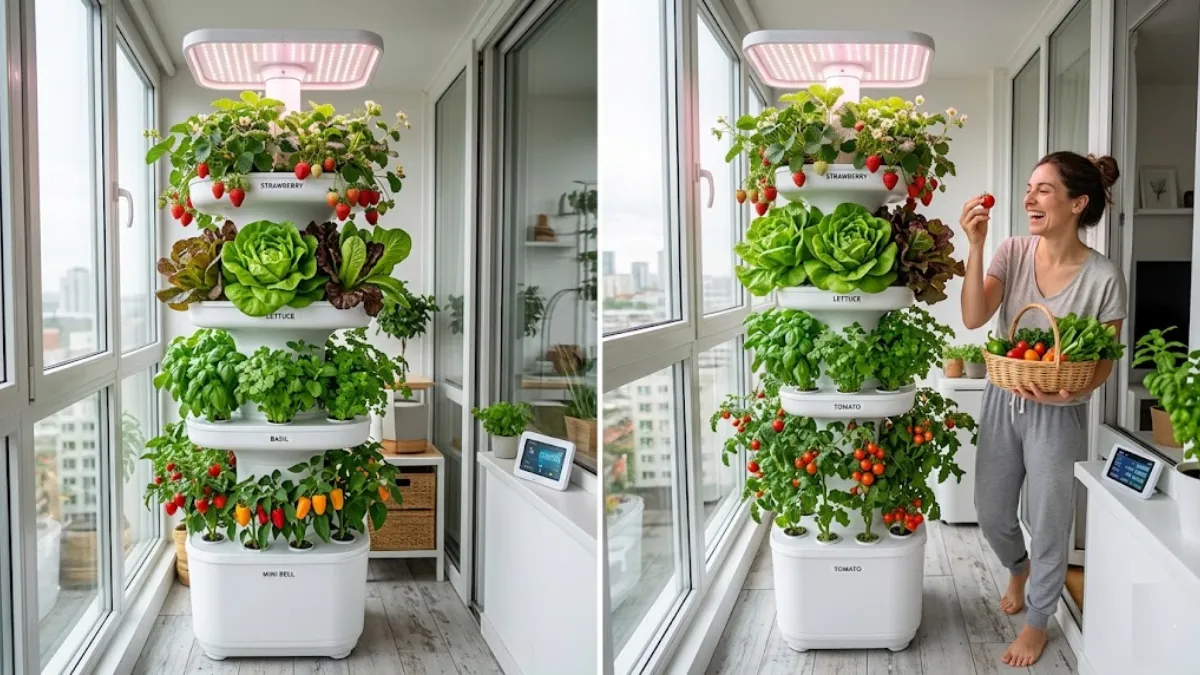
Even vertical farming at home teaches useful basics before scaling commercially.
Vertical Farming Near Agra & Firozabad: Why It Makes Sense
Cities near Agra and Firozabad are slowly becoming interesting zones for urban agriculture.
Why?
- Growing urban demand
- Affordable warehouse rentals
- Nearby hotel industry
- Better transport connectivity
- Rising awareness about healthy food
This creates opportunities for small commercial urban farms in Uttar Pradesh.And the market still feels underdeveloped. That’s important.
Recommended Internal Links
- IndoorPlantify.com/indoor-herb-garden-guide
- IndoorPlantify.com/hydroponic-gardening-for-beginners
- IndoorPlantify.com/microgreens-farming-business

Written by Editorial Staff Editor
This article was rigorously researched and compiled by our expert editorial team.