Grow Your Own Food Indoors? The Secret World of Edible Indoor Gardens
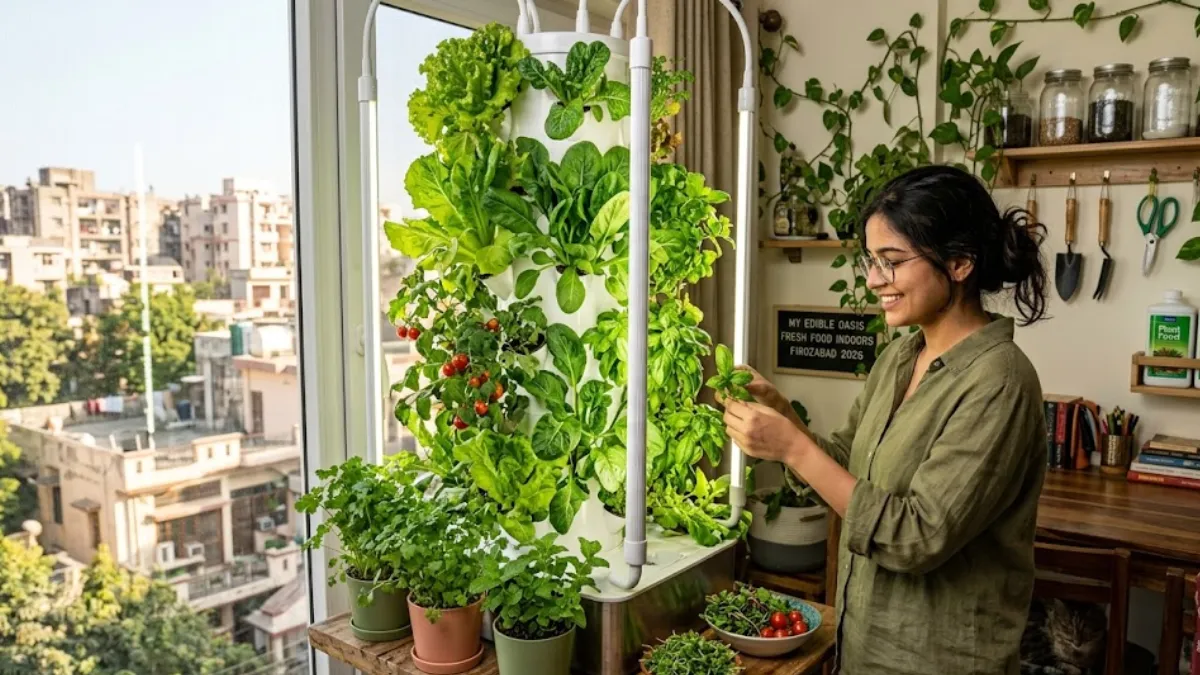
You don’t need a backyard to grow your own food. Not even a balcony.I realized this during a random winter afternoon. No sunlight. No garden. Just a dull room and a dying basil plant on my window. That’s when it hit me maybe the problem isn’t space maybe it’s how we think about growing.Edible indoor gardens are quietly changing how people grow food at home. Especially in apartments. Small homes. Busy lives.And honestly? It’s easier than most people think.
What Are Edible Indoor Gardens (And Why Everyone’s Talking About Them)
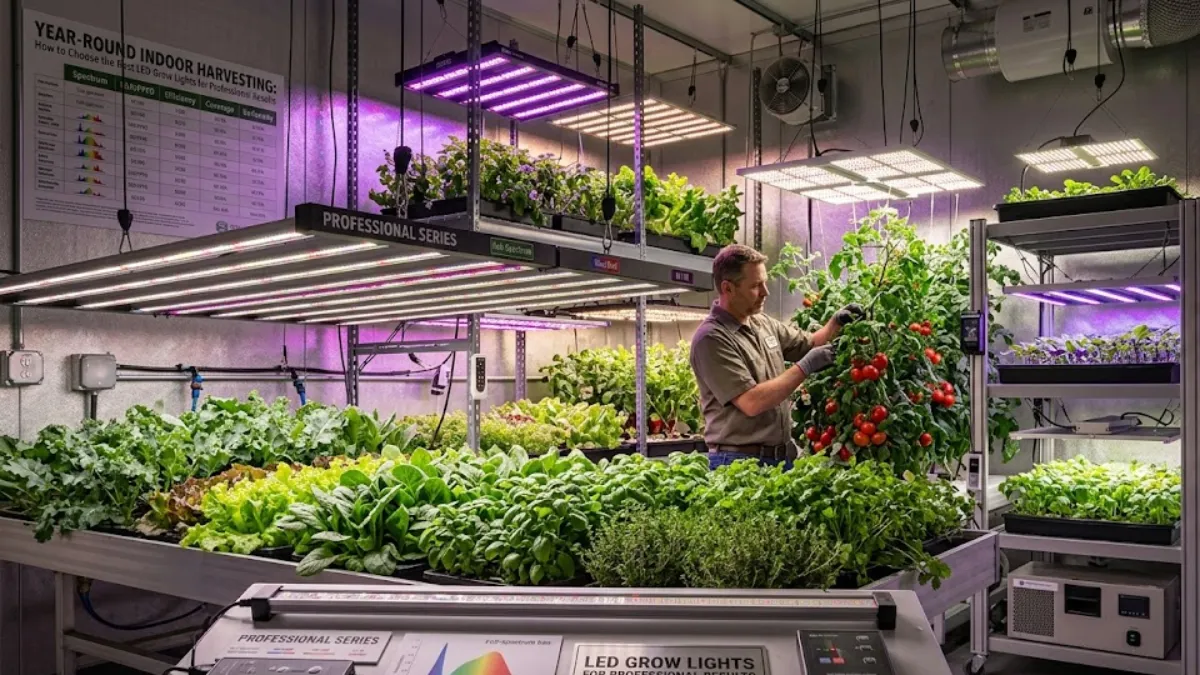
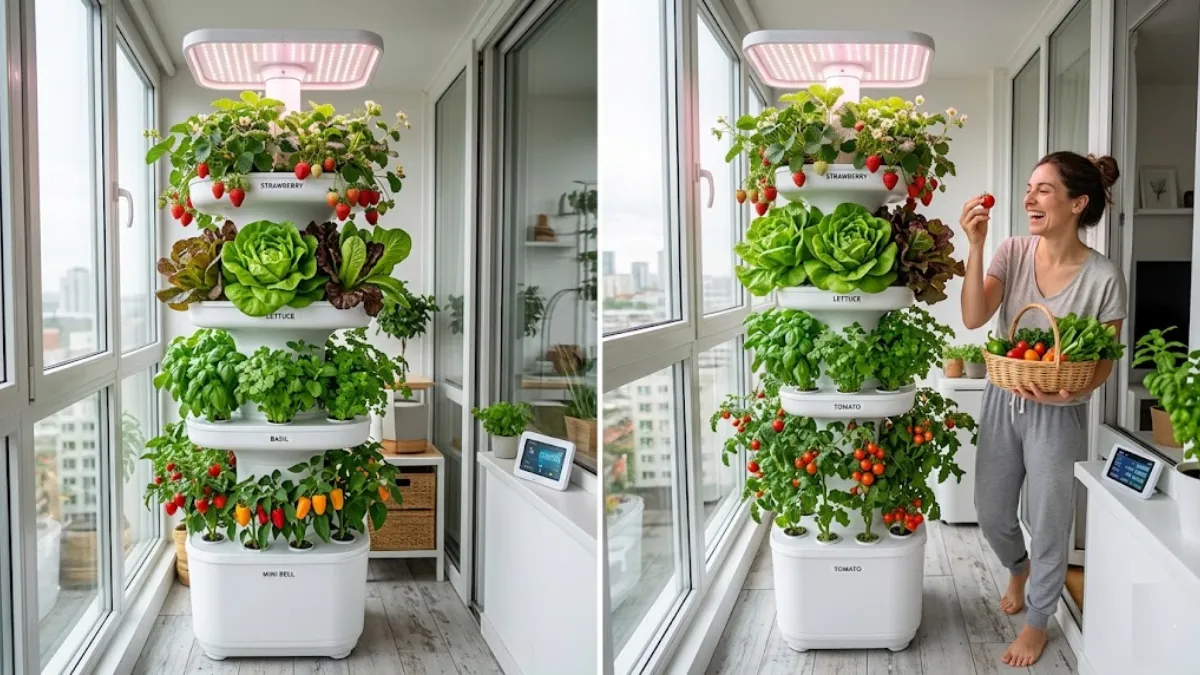
An edible indoor garden simply means growing food plants inside your home. Sounds obvious. But there’s more to it.We’re talking about:
- Fresh herbs on your kitchen shelf
- Leafy greens near your window
- Even small fruit trees indoors
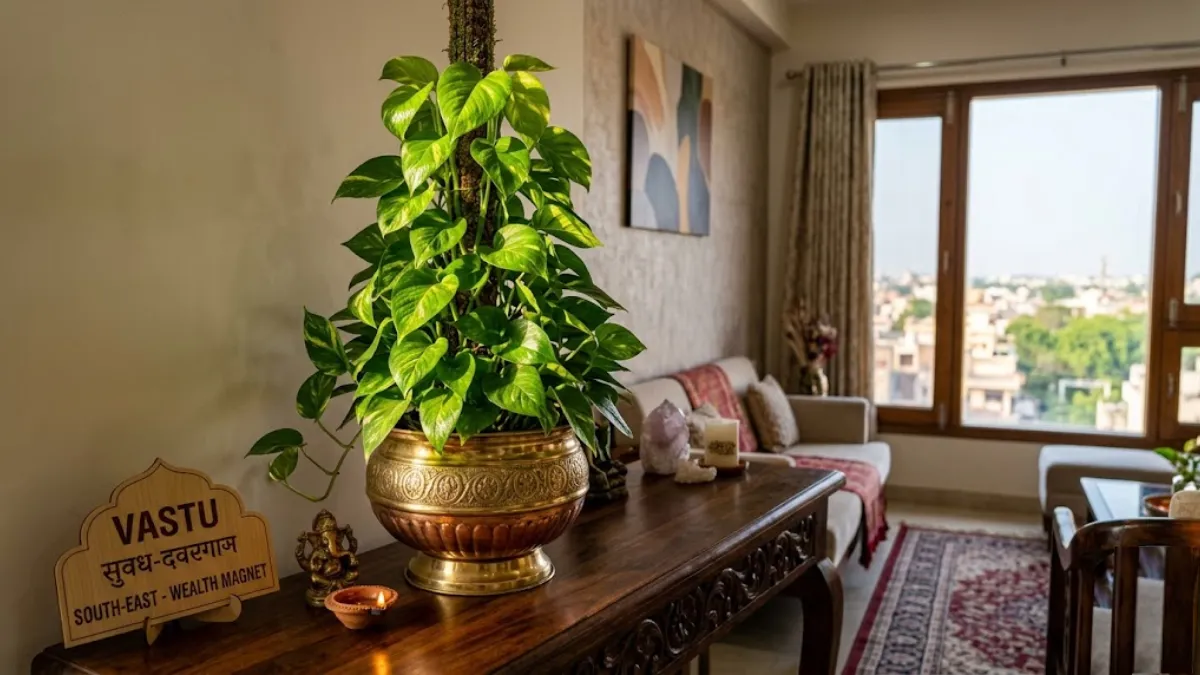
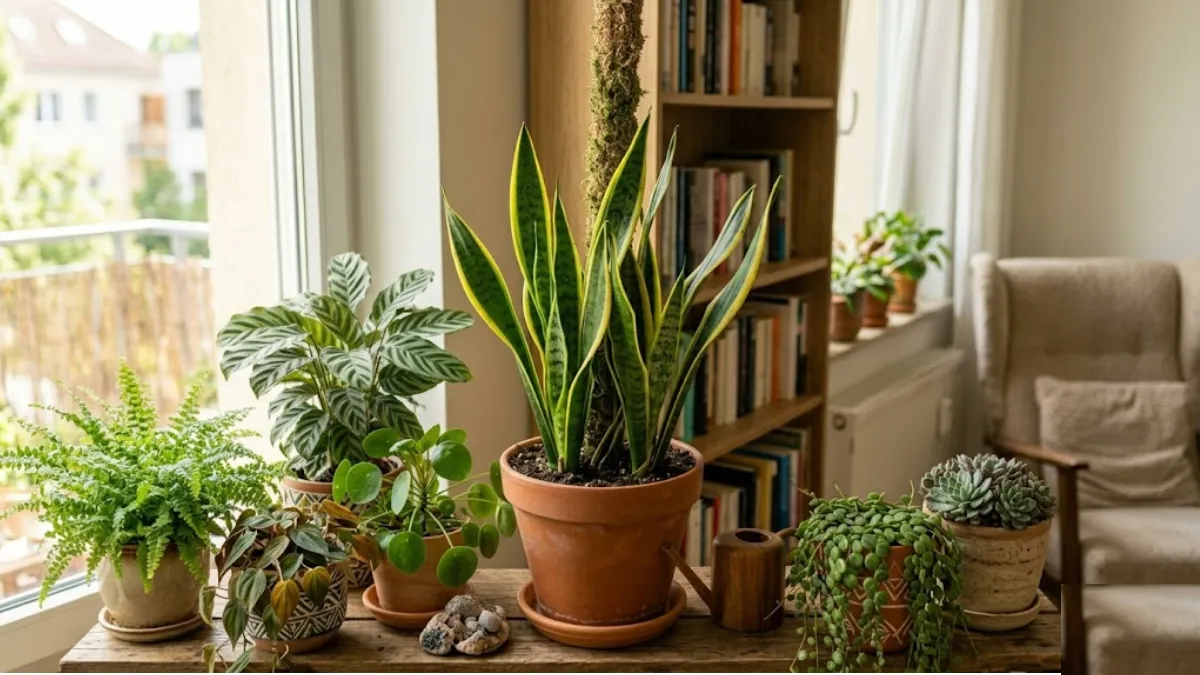
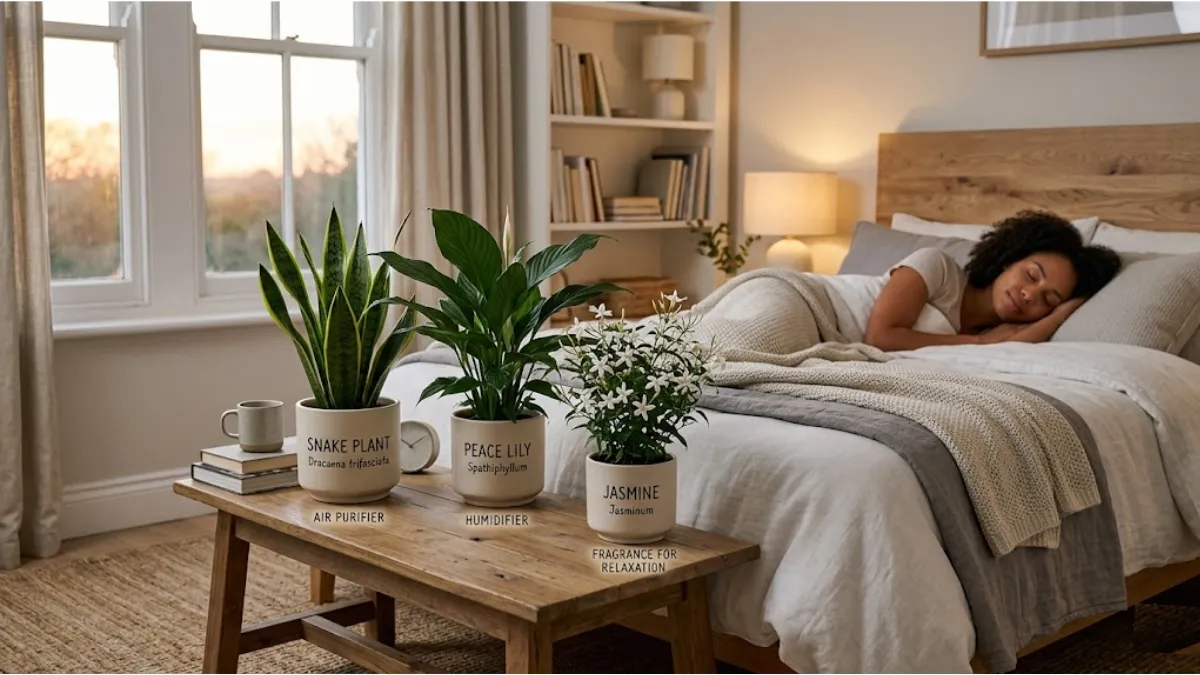
It’s not just a trend. It’s practical. Especially if you live in an apartment where outdoor gardening isn’t really an option.And here’s the thing indoor edible plants are not just about food. They bring life into your space. Clean air. Calm energy. That little “I grew this myself” feeling.Hard to beat that.
Best Indoor Edible Plants (Even If You’re a Beginner)
Let’s keep it real. Not every plant thrives indoors. Some struggle. Some just give up.But these? These work.
Easy edible plants to grow inside:
- Basil – Fast growing, loves windows
- Mint – Almost impossible to kill
- Coriander (Cilantro) – Needs a bit of care, but worth it
- Spinach – Great for low light setups
- Green onions – You can regrow from scraps
Indoor edible trees (yes, really)
- Lemon tree (dwarf varieties)
- Chili plants
- Cherry tomatoes
They take time. But once they start producing it feels kinda magical.
Edible Houseplants for Low Light (Perfect for Apartments)
Not everyone gets bright sunlight. Especially in cities.So what works in low light?
- Mint (again, it’s unstoppable)
- Spinach
- Lettuce
- Microgreens
These don’t need direct sunlight all day. Just a bit of indirect light and patience.If your room feels dim, don’t worry. Your plants can still survive. Maybe even thrive.
MYTH VS REALITY
Myth: You need big space for an indoor edible garden
Reality: A small shelf or window is enough. Seriously.
Myth: Indoor plants don’t produce real food
Reality: They do. Maybe not farm-level quantity, but enough for daily use.
Myth: It’s complicated and expensive
Reality: Start with basic pots and soil. No need for expensive kits.
Practical Setup: How to Start Your Indoor Edible Garden
Let’s keep it simple. No overthinking.
Step 1: Pick the right spot
Near a window is best. Even partial light works.
Step 2: Use the right containers
- Pots with drainage holes
- Recycled jars (just add drainage layer)
Step 3: Choose beginner plants
Start small. Herbs are your safest bet.
Step 4: Water… but don’t overdo it
This is where most people mess up. Soil should be moist, not soggy.
Step 5: Feed occasionally
Basic compost or organic fertilizer works fine.
Real-Life Tip (That Most Guides Won’t Tell You)
Plants don’t die suddenly. They slowly show signs.Leaves turning yellow. Growth slowing. Smell changes.You just have to notice.I ignored my first herb plant. Thought it would “fix itself.” It didn’t.So yeah pay attention. Your plants talk. In their own way.
Internal Resources You Might Find Helpful
- Learn more about indoor plant care basics: /indoor-plant-care-guide
- Explore low-light houseplants that actually survive: /low-light-indoor-plants-guide
- Beginner-friendly watering mistakes to avoid: /overwatering-plants-fix

Written by Editorial Staff Editor
This article was rigorously researched and compiled by our expert editorial team.