Smart Gardening (Agri-Tech): The Future of Growing Plants Is Already Here
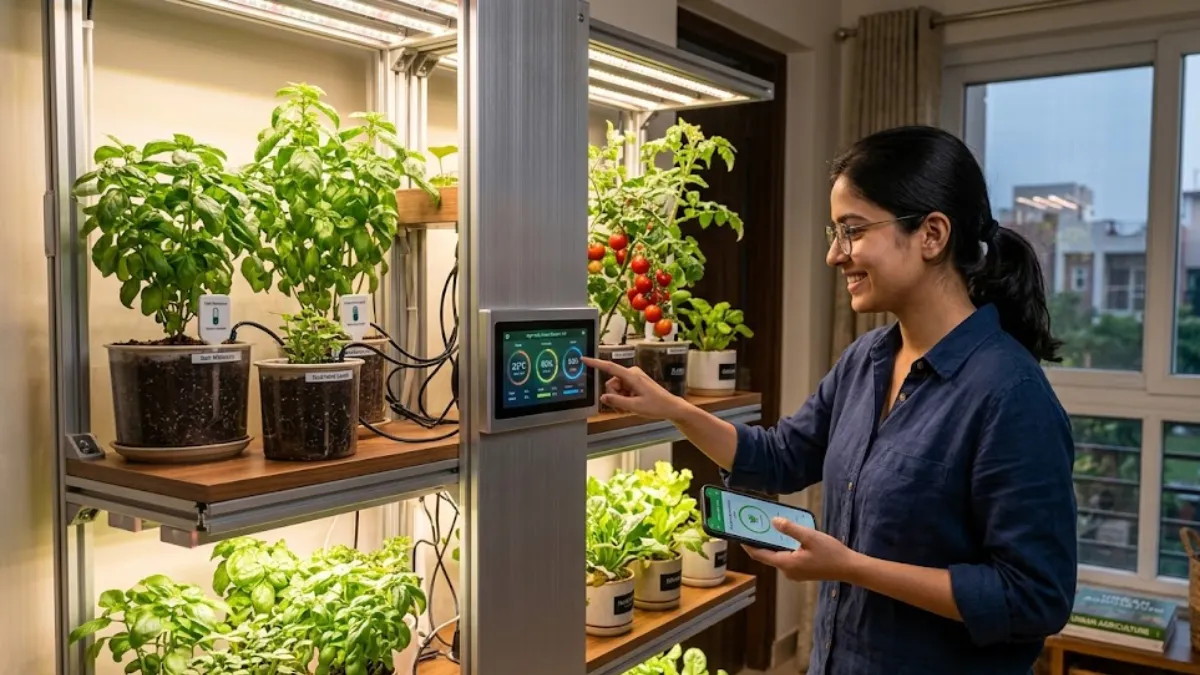
Last year, one of my friends in Delhi tried growing tomatoes on his balcony. Good soil. Regular watering. Still failed. Twice.Then he tried something different. A small smart sensor. An app. Automated watering. Within weeks? Healthy plants. Real tomatoes.That’s when it hits you maybe it’s not about “green thumb” anymore. Maybe it’s about smart gardening.
QUICK ANSWER
Smart gardening (Agri-Tech) uses technology like sensors, apps, and automation to grow plants more efficiently. It helps monitor soil, water, and light so plants get exactly what they need, when they need it.Simple. But powerful.
What Is Smart Gardening (Agri-Tech)?
Smart gardening is basically where technology meets traditional gardening.Not replacing nature. Just helping it.Instead of guessing:
- When to water
- How much sunlight is enough
- Whether soil is healthy
You know it because devices tell you.
Common smart gardening tools:
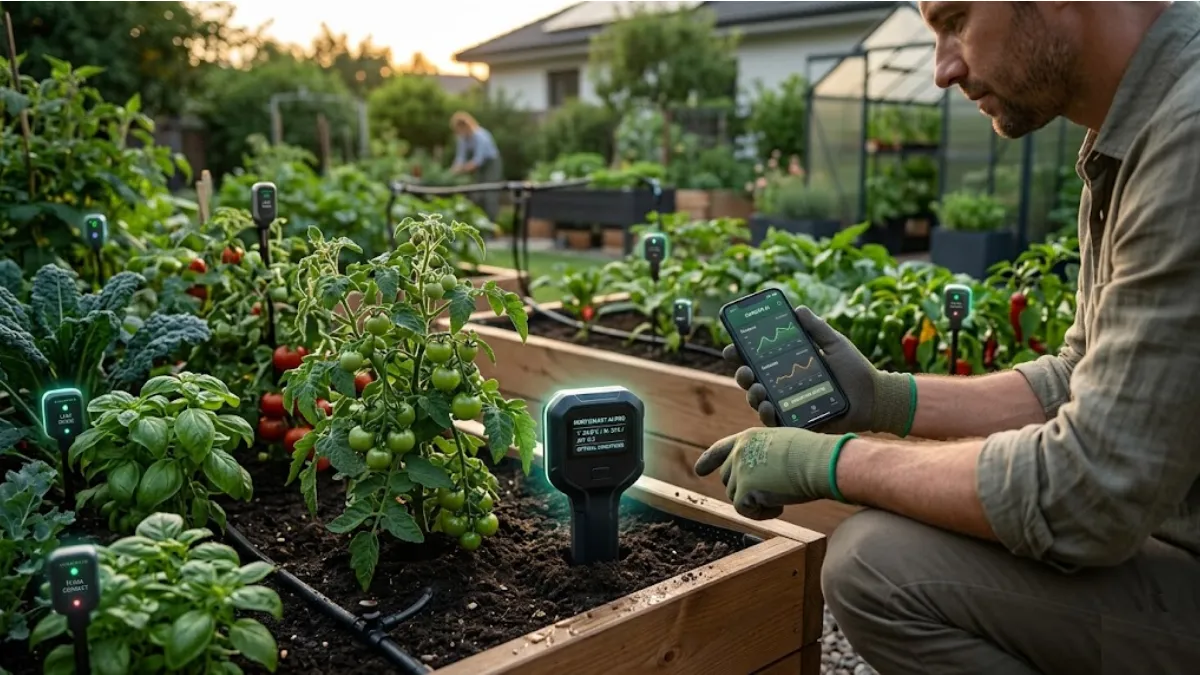
- Soil moisture sensors
- Smart irrigation systems
- Automated grow lights
- Mobile apps for plant tracking
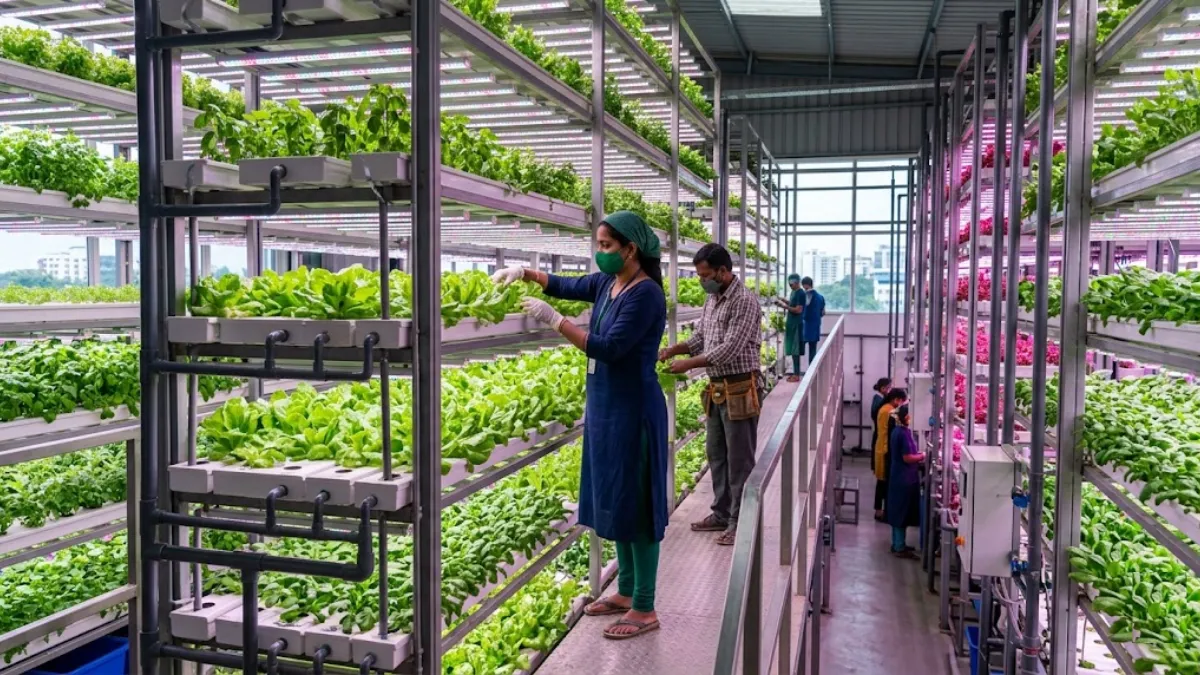
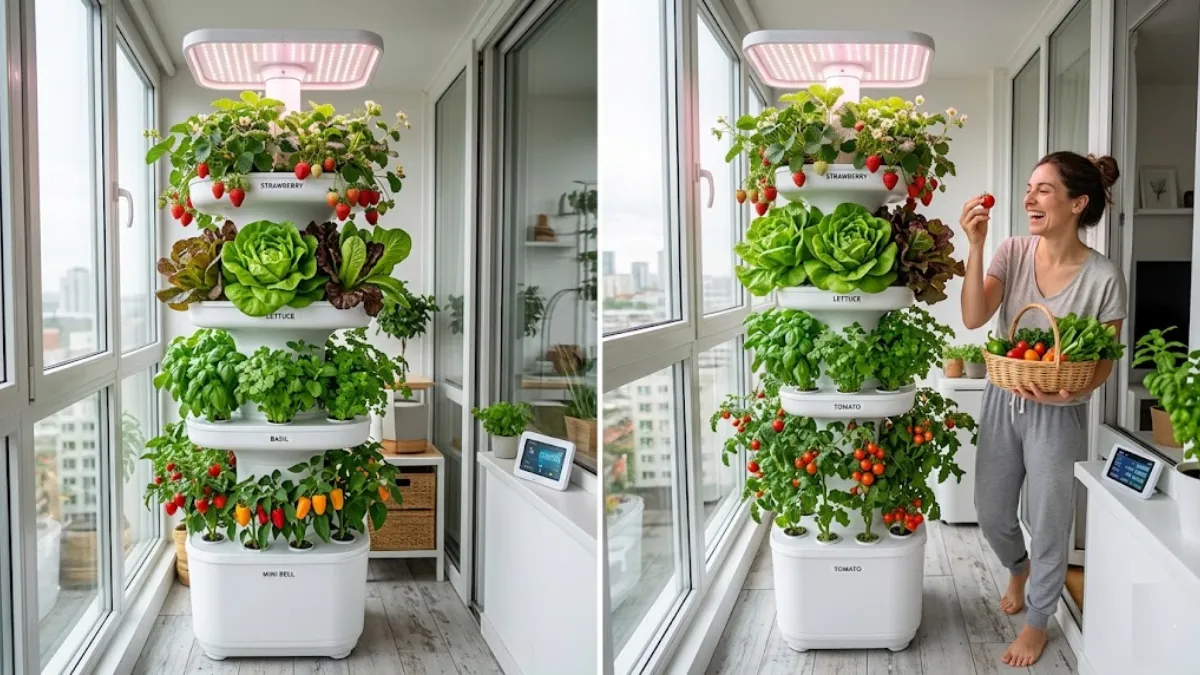
- Hydroponic and IoT-based systems
It’s like giving your plants a brain.
Why Smart Gardening Is Growing Fast
People are busy. Cities are crowded. Space is limited.And honestly most beginners fail at gardening.Smart gardening fixes that.
Here’s why people are switching:
- Saves time (automation does the work)
- Reduces water wastage
- Better plant growth
- Ideal for small homes and balconies
- Beginner-friendly
Even farmers are using smart agriculture tools now. Not just hobby gardeners.
Real-Life Example (Feels Relatable?)
Imagine this:You’re at work. It’s hot outside. Your plants need water. But you forgot.Normally? Damage done.With smart gardening:
- Sensor detects dry soil
- System triggers watering
- App sends notification
Problem solved before it even becomes a problem.
Smart Gardening vs Traditional Gardening
FeatureTraditional GardeningSmart GardeningWateringManualAutomaticMonitoringGuessworkReal-time dataEfficiencyLow–mediumHighBeginner successDifficultEasyCostLow upfrontSlightly higher, but worth itSo yes there’s a cost. But long term? It pays off.
MYTH VS REALITY
Myth 1: Smart gardening is only for experts
Reality: Beginners benefit the most. It reduces mistakes.
Myth 2: It’s too expensive
Reality: Basic tools are affordable now. Even small sensors can make a big difference.
Myth 3: It replaces natural gardening
Reality: It supports it. Not replaces.
PRACTICAL SOLUTIONS (How to Start Smart Gardening)
You don’t need a full setup from day one. Start small.
Step 1: Use a Soil Sensor
This tells you when your plant actually needs water. Not guesswork.
Step 2: Try a Smart Gardening App
Search for:
- Smart gardening agri tech app
- Plant care tracking apps
These apps give reminders and tips.
Step 3: Upgrade to Smart Irrigation
Automatic watering systems save time and water.
Step 4: Explore Hydroponics
No soil. Faster growth. Clean setup.A bit advanced. But worth trying.
Internal Resources (Helpful Reads)
- IndoorPlantify.com/smart-indoor-watering-guide
- IndoorPlantify.com/best-plants-for-small-spaces
- IndoorPlantify.com/how-to-fix-overwatering
These will help you avoid beginner mistakes.
Where Smart Gardening Is Heading
Smart gardening isn’t just a trend. It’s becoming normal.
- IoT-based farming is rising
- AI is helping predict plant diseases
- Urban farming is growing in India
- Even schools are using smart agriculture farming explanation models
Search trends like:
- smart gardening agri tech ppt
- smart gardening agri tech pdf
- are increasing every year
People want to learn this. Fast.
Expert Insight (Simple but Important)
Plants don’t die because people don’t care.
They die because people don’t know what’s wrong.
Smart gardening solves that gap.
Data replaces confusion.

Written by Editorial Staff Editor
This article was rigorously researched and compiled by our expert editorial team.