Organic Fertilizer Manufacturing: Why Everyone Is Suddenly Talking About It
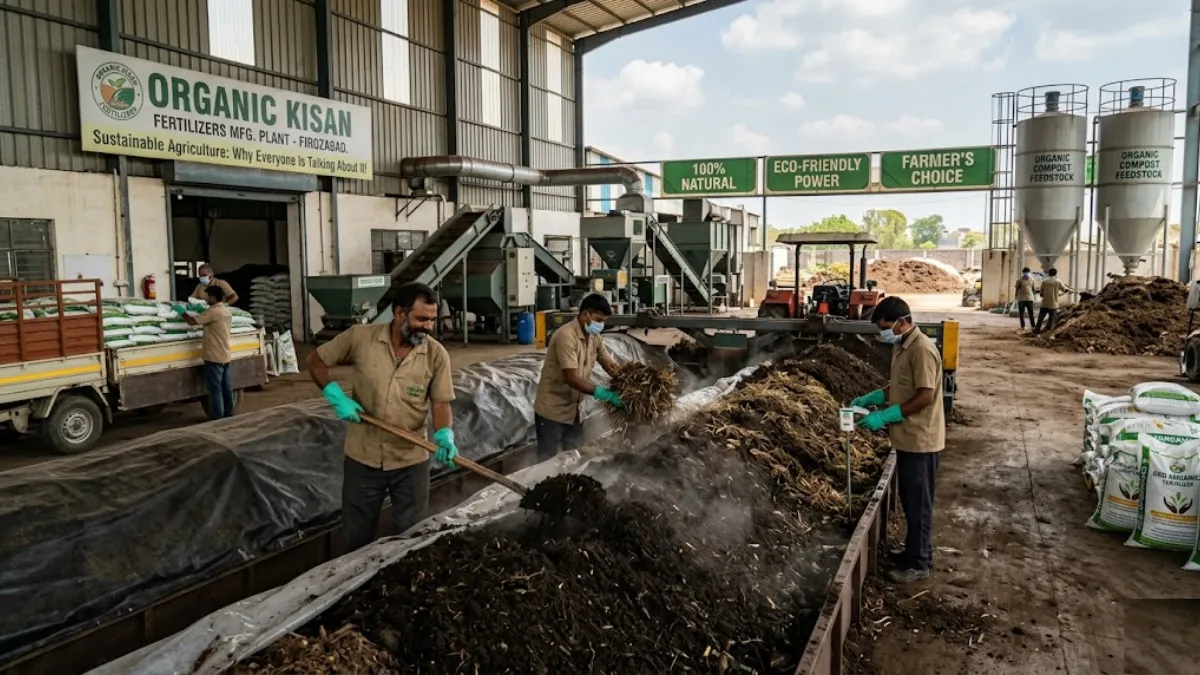
A few years ago, farmers mostly trusted chemical fertilizers. Quick results. Bigger crops. Easy.But things changed.Soil started losing fertility. Costs increased. People became health conscious. Suddenly, organic farming wasn't just a “trend” anymore. It became a serious business opportunity.And right in the middle of this shift? Biofertilizers.Tiny microbial products. Huge demand.Today, many small entrepreneurs in India are starting their own organic fertilizer manufacturing units from semi-urban and rural areas. Some begin from a shed behind their house. Literally.The best part? You don’t always need massive capital.
What Are Biofertilizers Exactly?
Biofertilizers are natural products containing beneficial microorganisms that improve soil fertility and plant growth.Simple words. Good bacteria for plants.These microorganisms help plants absorb nutrients naturally from soil. They also reduce dependency on chemical fertilizers.Common types include:
- Rhizobium
- Azotobacter
- Phosphate Solubilizing Bacteria (PSB)
- Mycorrhiza
Farmers now prefer them because they improve long-term soil health. And honestly, organic produce sells better too.
Why Organic Fertilizer Manufacturing Is Growing Fast in 2026
The market is booming. Quietly. But rapidly.Government subsidies, organic farming awareness, export demand, and rising fertilizer costs are pushing this industry upward.
Even small villages are seeing demand.A farmer in Maharashtra started selling vermicompost and liquid biofertilizers locally during 2023. Initially, he packed products manually in reused buckets. Not fancy. But within two years, nearby nurseries and terrace gardeners became regular buyers.That’s how these businesses often start. Small. Messy. Real.
Basic Requirements to Start Your Own Bio-Fertilizer Unit
You don’t need a giant factory in the beginning.A small-scale unit can start with:
1. Space
Around 500–1500 sq ft is enough initially.You need:
- Mixing area
- Fermentation/storage section
- Drying space
- Packaging area
Ventilation matters a lot.
2. Raw Materials
Common materials include:
- Cow dung
- Agricultural waste
- Press mud
- Compost
- Beneficial microbial cultures
Some people even collaborate with local dairy farms for cheaper raw materials.Smart move.
3. Machinery
Basic machinery may include:
- Compost mixer
- Crusher
- Sieving machine
- Granulator
- Packing machine
You can begin semi-automatic first. Fully automatic setups cost more.
Licenses Needed for Organic Fertilizer Manufacturing
This part many beginners ignore.Bad idea.You may require:
- Business registration
- GST registration
- Pollution control clearance
- Fertilizer manufacturing license
- BIS/FCO compliance depending on product type
Rules can vary slightly by state in India. So always check local agriculture department guidelines before production starts.
Investment Required for a Small Bio-Fertilizer Unit
This depends on scale.But roughly:Setup TypeEstimated InvestmentSmall Manual Unit₹2–5 LakhsSemi-Automatic Unit₹8–15 LakhsFully Automatic Plant₹25 Lakhs+
Many entrepreneurs begin with compost or vermicompost first and later expand into microbial biofertilizers.Less risk that way.
Profit Margin: Is It Actually Worth It?
Honestly? Yes. If marketed properly.Organic fertilizer products often give 20%–40% profit margins depending on packaging and local demand.Bulk supply to:
- Nurseries
- Organic farms
- Home gardeners
- Greenhouse growers
can generate recurring orders.Packaging also changes everything. A plain white bag sells less than a clean eco-friendly branded pack. Buyers notice.
Myth vs Reality
Myth:
Biofertilizer business is only for agriculture experts.
Reality:
Many successful unit owners started with basic farming knowledge and learned gradually through trial and experience.
Myth:
Huge factory investment is necessary.
Reality:
Small-scale compost and liquid fertilizer production can start from modest setups.
Myth:
Organic fertilizers work slower so nobody buys them.
Reality:
Demand is increasing because people now care about soil quality and chemical-free food.
The market shifted already.
Practical Tips Before You Start
Start Local First
Don’t chase nationwide distribution immediately.Build trust with nearby farmers, nurseries, and gardening communities first.
Focus on Branding
Even rural customers trust professional-looking packaging more.Strange but true.
Educate Customers
Many farmers still don’t fully understand how biofertilizers work. Short demos help a lot.
Use Social Media
Instagram reels and YouTube Shorts showing plant growth comparisons can attract buyers surprisingly fast.Especially in gardening communities.
Internal Linking Suggestions
- Learn more about indoor composting in our guide on homemade organic fertilizers.
- Read our complete beginner guide to organic gardening for healthier plants.
- Explore best soil mixes for indoor plants to improve fertilizer performance.

Written by Editorial Staff Editor
This article was rigorously researched and compiled by our expert editorial team.