Smart Irrigation Sensors: The Simple Tech Saving Plants & Water in 2026
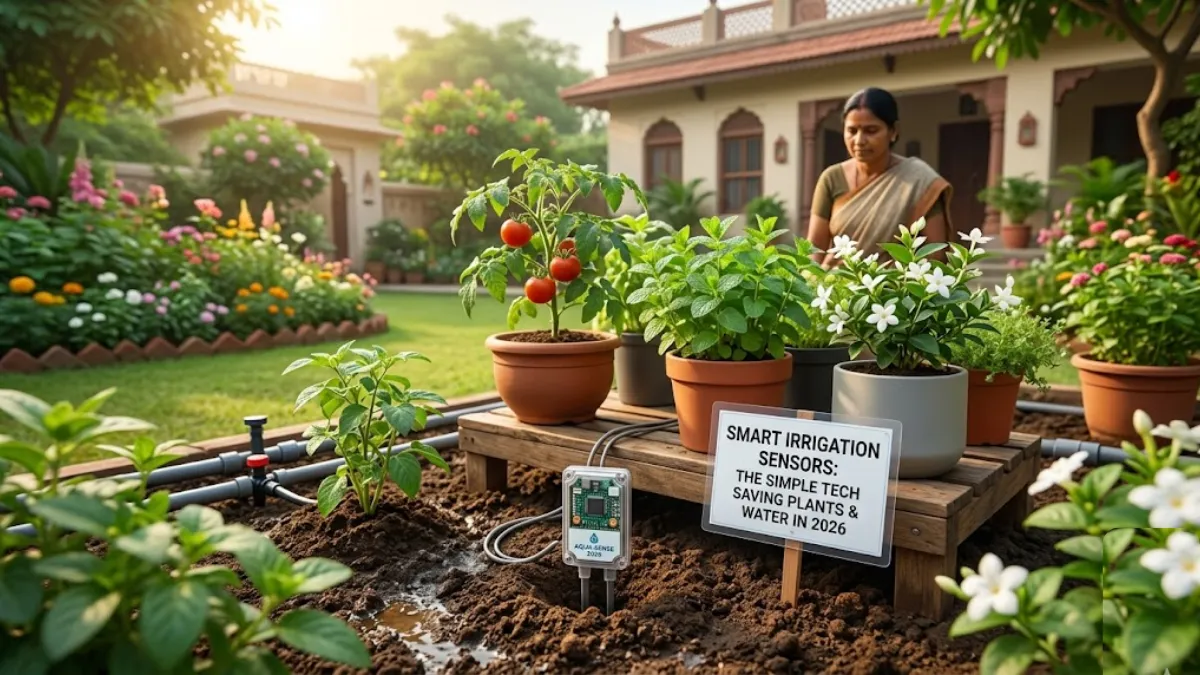
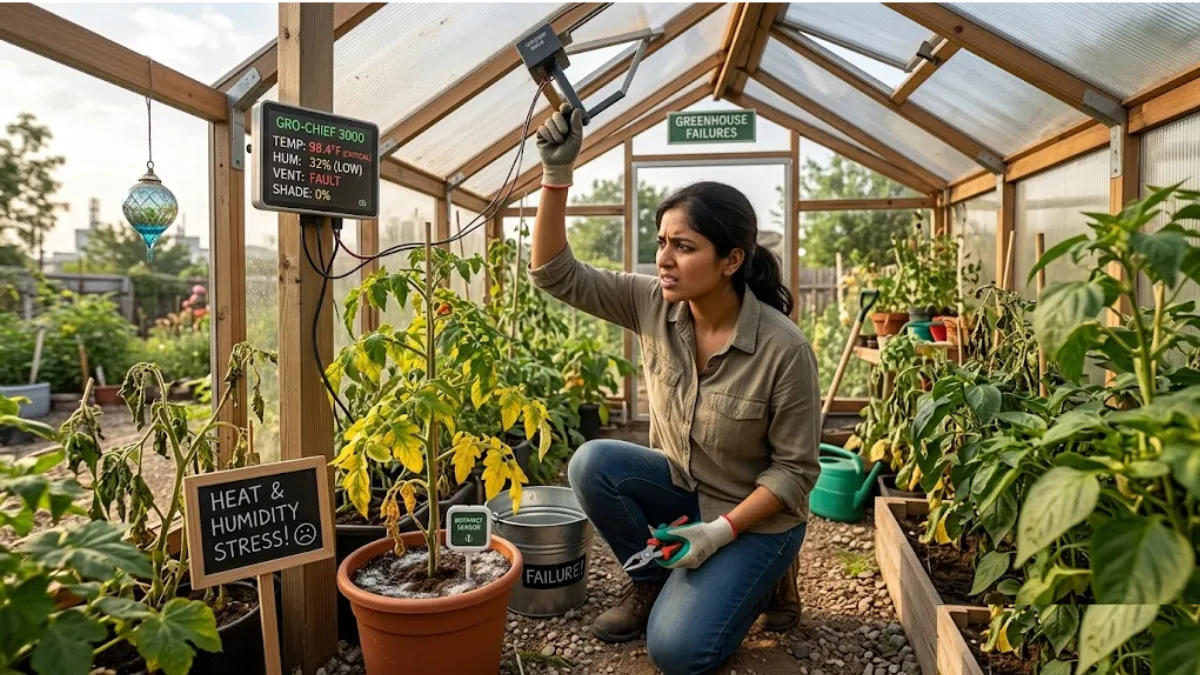
Watering plants sounds easy. Until one day your favorite plant turns yellow because of overwatering. Or dries out during summer heat. Happens fast honestly.
That’s exactly why smart irrigation sensors are becoming popular in India. From terrace gardens to indoor plant corners, people now want watering systems that actually think before using water.And yes. These small devices are changing gardening quietly.Updated based on latest indoor plant research (2026)
Quick Answer
Smart irrigation sensors are devices that monitor soil moisture, weather, and plant water needs automatically. They help reduce water waste and improve plant health by watering only when required.Most smart irrigation systems using soil moisture sensors can save up to 30–50% water compared to traditional watering methods.
What is Smart Irrigation?
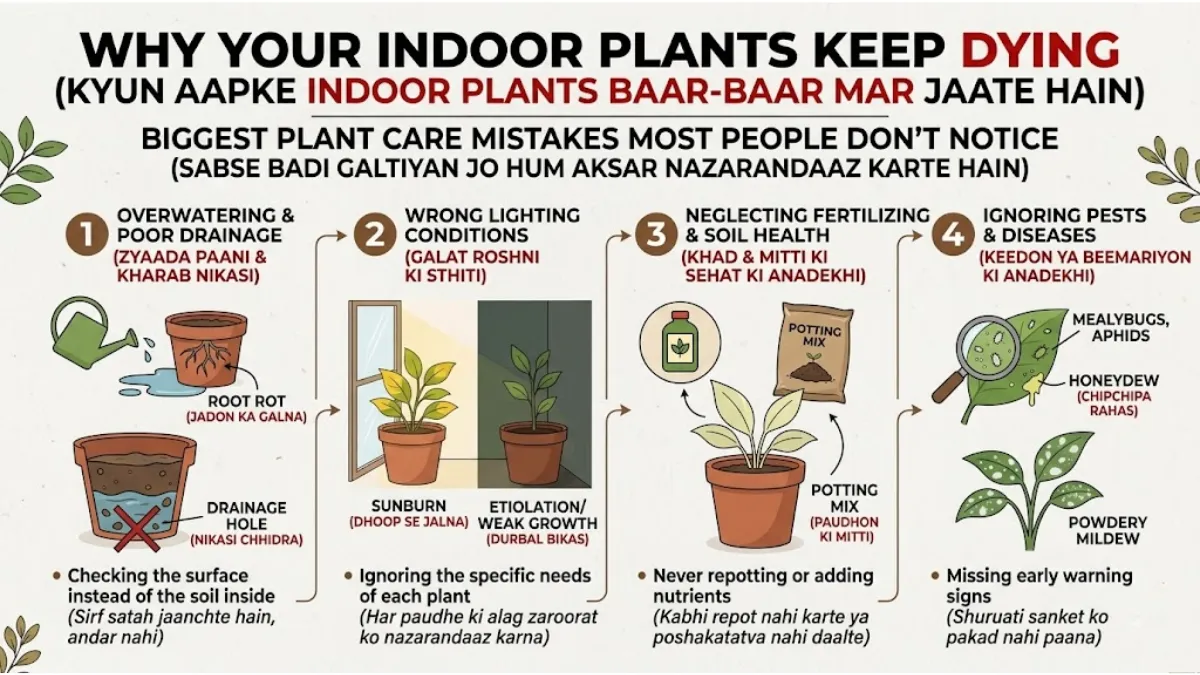
Think about this.You come home tired. Plants look thirsty. So you water everything. But half the pots were already moist inside the soil. Roots suffer. Fungus starts. Plants become weak slowly.Smart irrigation systems solve this problem.A smart irrigation system uses sensors, automation, and sometimes mobile apps to detect when plants actually need water. Not guesswork. Real data.Simple. Smart.These systems are now widely used in:
- Indoor plant setups
- Terrace gardens
- Greenhouses
- Farms
- Urban balconies
- Vertical gardens
In many smart irrigation sensors India projects, soil moisture sensors are the most common technology because they are affordable and easy to install.
How Smart Irrigation Sensors Work
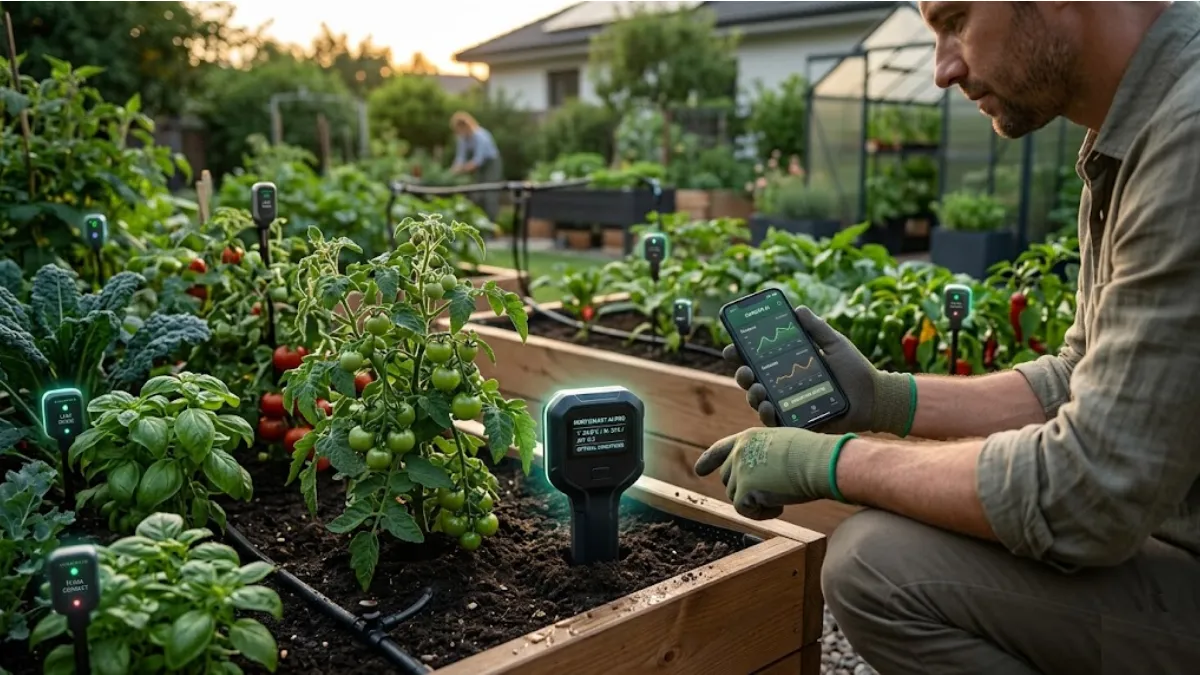
The magic is surprisingly simple.A sensor goes inside the soil. It checks moisture levels continuously. When soil becomes dry, the controller activates irrigation automatically.
When enough water is supplied, watering stops.No wastage. No overwatering.Basic smart irrigation systems include:
- Soil moisture sensor
- Controller unit
- Water pump or valve
- Drip irrigation pipes
- Mobile app (optional)
Some advanced systems even check:
- Weather forecast
- Humidity
- Temperature
- Rainfall prediction
Pretty advanced now honestly.
Types of Smart Irrigation System
Different gardens need different systems. There’s no single perfect setup.
1. Soil Moisture Sensor-Based System
This is the most popular smart irrigation system using soil moisture sensor technology.It waters plants only when soil becomes dry.
Best for:
- Indoor plants
- Terrace gardens
- Kitchen gardens
Affordable too.
2. Weather-Based Irrigation System
These systems use weather data to adjust watering schedules.If rain is expected, watering gets delayed automatically.Useful for outdoor gardens and farms.
3. Drip Smart Irrigation System
Combines drip irrigation with automation sensors.Very efficient. Water goes directly to roots.Less evaporation. Less mess.
4. IoT Smart Irrigation System
This is the futuristic version.Users can control watering through smartphone apps remotely. Many smart irrigation system project report PDF examples now focus on IoT technology because it saves labor and improves monitoring.A bit expensive though.
Smart Irrigation Sensors India: Why Demand is Growing
India is facing serious water stress in many regions. Summers feel hotter every year. Water bills increasing too.People are noticing.Smart irrigation sensors India market is growing because:
- Water conservation matters now
- Urban gardening is trending
- Terrace farming is increasing
- Automation saves time
- Plant care becomes easier
Even small home gardeners are shifting toward sensor-based watering.Not just farmers anymore.
Myth vs Reality
Myth: Smart irrigation is only for big farms
Reality:
Even a 5-pot balcony garden can use smart sensors today.
Myth: These systems waste electricity
Reality:
Most systems use very little power and many run on solar setups.
Myth: Plants grow faster automatically
Reality:
Smart irrigation improves consistency, not magic growth overnight.
Healthy roots matter more.
Practical Solutions for Beginners
Starting small is smarter honestly.
Here’s what works best for beginners:
Use Drip Irrigation First
Don’t jump into expensive automation immediately.Start with:
- Drip pipes
- Basic moisture sensor
- Timer controller
Simple setup. Big difference.
Monitor Soil Manually Initially
Even smart systems need observation sometimes.
Check:
- Leaf texture
- Soil smell
- Drainage quality
Technology helps. But plants still communicate naturally.
Avoid Cheap Low-Quality Sensors
Very cheap sensors often fail after a few months.Invest in weather-resistant models if possible.
Especially during Indian monsoon season.
Combine Mulching with Smart Watering
This is underrated.Mulching keeps soil moisture stable and reduces irrigation frequency naturally.
Less stress for plants.
Smart Irrigation System Research Paper Trends
Many recent smart irrigation system research paper studies focus on:
- AI-based watering prediction
- IoT integration
- Solar-powered irrigation
- Water-saving analytic
- Mobile-controlled agriculture
Research is moving toward precision farming now. Even home gardening technology is becoming smarter every year.
Honestly feels like gardening entered the tech era quietly.
Internal Linking Suggestions
- Beginner Indoor Plant Watering Guide
- Best Soil Moisture Tips for Houseplants
- Drip Irrigation for Terrace Gardens

Written by Editorial Staff Editor
This article was rigorously researched and compiled by our expert editorial team.