Vertical Farming Technology: Future of Urban Agriculture in India
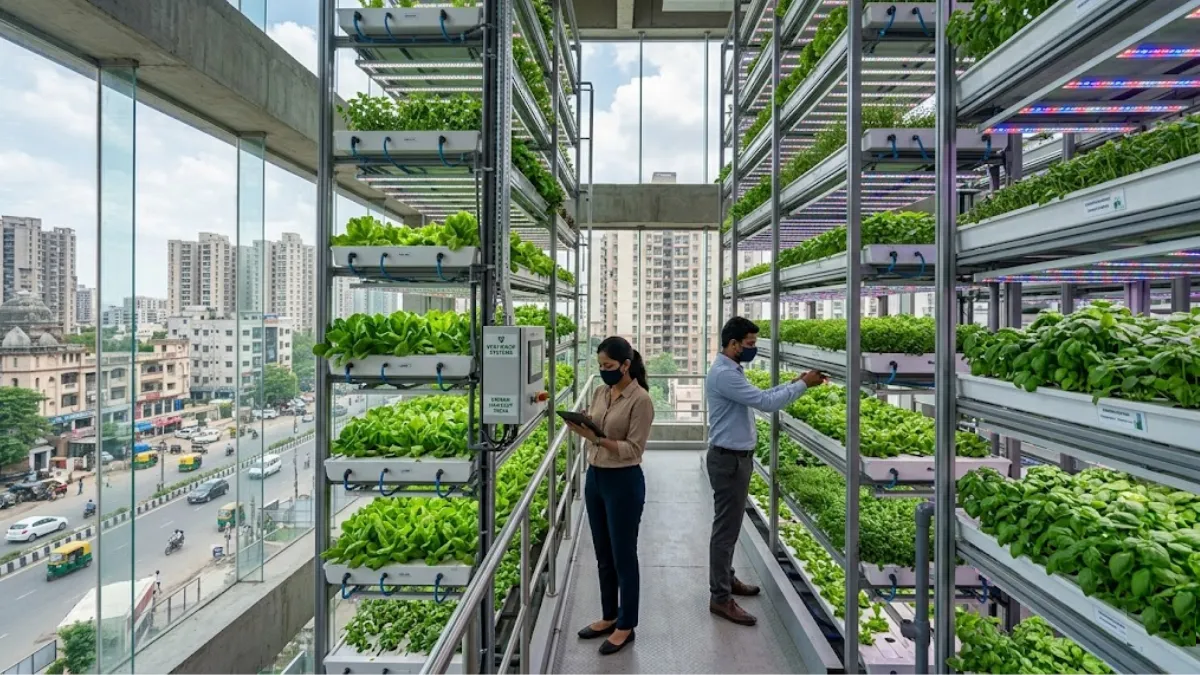
A few years ago, growing lettuce on the 15th floor of a building sounded strange. Almost sci-fi. But now? It’s happening in cities across India. Small rooms. Warehouses. Rooftops. Even inside old offices.Land is shrinking. Water is becoming expensive. Cities keep expanding. And honestly, traditional farming alone can’t feed future urban populations forever.That’s where vertical farming enters the picture. Quietly. Smartly.And India is paying attention.
What Exactly is Vertical Farming?
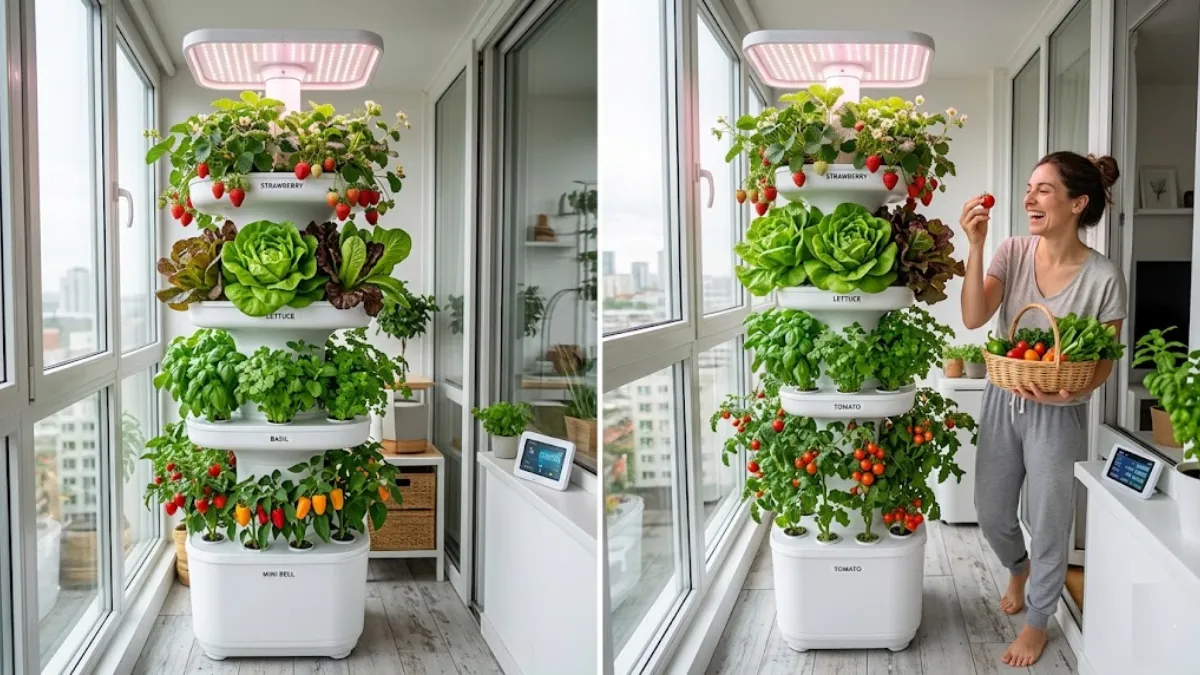
Imagine shelves. But instead of books, there are spinach, lettuce, herbs, strawberries.That’s vertical farming.Crops are grown vertically in layers using technologies like:
- Hydroponics
- Aeroponics
- LED grow lights
- Climate control systems
- Automated nutrient delivery
No huge farmland needed. No unpredictable rain issues. Pretty efficient actually.Some farms even operate completely indoors.And yes, it feels futuristic.
Why India is Slowly Moving Toward Vertical Farming
Walk through cities like Bengaluru, Mumbai, or Delhi. Space is limited. Fresh produce travels hundreds of kilometers before reaching homes. By then, quality drops.Vertical farming solves part of that problem.Fresh vegetables can grow close to consumers. Right inside the city.Companies and startups are already investing heavily in this space because urban demand keeps increasing.A lot of young entrepreneurs now see agriculture differently. Not mud and tractors only. But sensors. AI. Data. Automatio
.Big shift.
Vertical Farming Companies in India Leading the Change
Several startups are building smart urban farms across the country.Some well-known names include:
- UrbanKisaan
- Barton Breeze
- Future Farms
- Triton Foodworks
- Nutrifresh
These companies are experimenting with hydroponics and climate-controlled systems to grow pesticide-free vegetables faster and cleaner.And honestly, consumers are liking it.Especially health-conscious urban families.
The Real Benefits Nobody Talks About Enough
1. Massive Water Saving
Traditional farming wastes huge amounts of water.Vertical farming uses up to 90% less water in some systems. Important for India. Very important.
2. Year-Round Production
Summer. Monsoon. Winter.Doesn’t matter much inside controlled farms.Crops grow consistently.
3. Less Chemical Usage
Indoor systems reduce pest attacks naturally, so pesticide usage becomes lower.Cleaner food. Better trust.
4. Better Use of Urban Spaces
Unused warehouses can become food production centers.That’s smart urban planning honestly.
But Vertical Farming Isn’t Perfect
People online sometimes act like vertical farming will replace all traditional agriculture tomorrow.Not true.There are challenges too.
High Initial Cost
LED systems, automation tools, climate control expensive setup.Small farmers often struggle with investment.
Electricity Dependency
Indoor farms need stable electricity. In India, that can still be tricky in some regions.
Technical Knowledge Required
This isn’t simple soil farming. Operators need understanding of nutrients, sensors, humidity, lighting cycles.A learning curve exists.
Myth vs Reality
Myth: Vertical farming is only for rich countries
Reality:
India is already developing affordable small-scale hydroponic systems for urban farming.
Myth: Crops grown indoors are unnatural
Reality:
Many vertical farms produce cleaner vegetables with fewer pesticides compared to traditional methods.
Myth: Vertical farming replaces farmers
Reality:
It creates new agricultural jobs involving technology, operations, logistics, and smart farming systems.
Future of Vertical Farming in India
The future looks promising. Slowly but steadily.As cities grow and climate conditions become more unpredictable, controlled-environment farming may become essential rather than optional.Government support is also increasing around agri-tech innovation and sustainable agriculture.Experts believe vertical farming could become a major part of urban food supply chains within the next decade.Not fully replacing traditional farming. But supporting it strongly.That balance matters.
Practical Solutions for Beginners Interested in Vertical Farming
Thinking about trying it yourself?Start small.
- Begin with leafy greens like lettuce or spinach
- Use balcony hydroponic kits
- Learn nutrient management first
- Track lighting and humidity carefully
- Avoid overinvesting initially
Even a tiny setup teaches a lot.Fast.
Internal Linking Suggestions
- Beginner’s Guide to Hydroponic Gardening
- Smart Indoor Gardening Systems for Indian Homes
- Best Low-Maintenance Indoor Plants for Apartments

Written by Editorial Staff Editor
This article was rigorously researched and compiled by our expert editorial team.