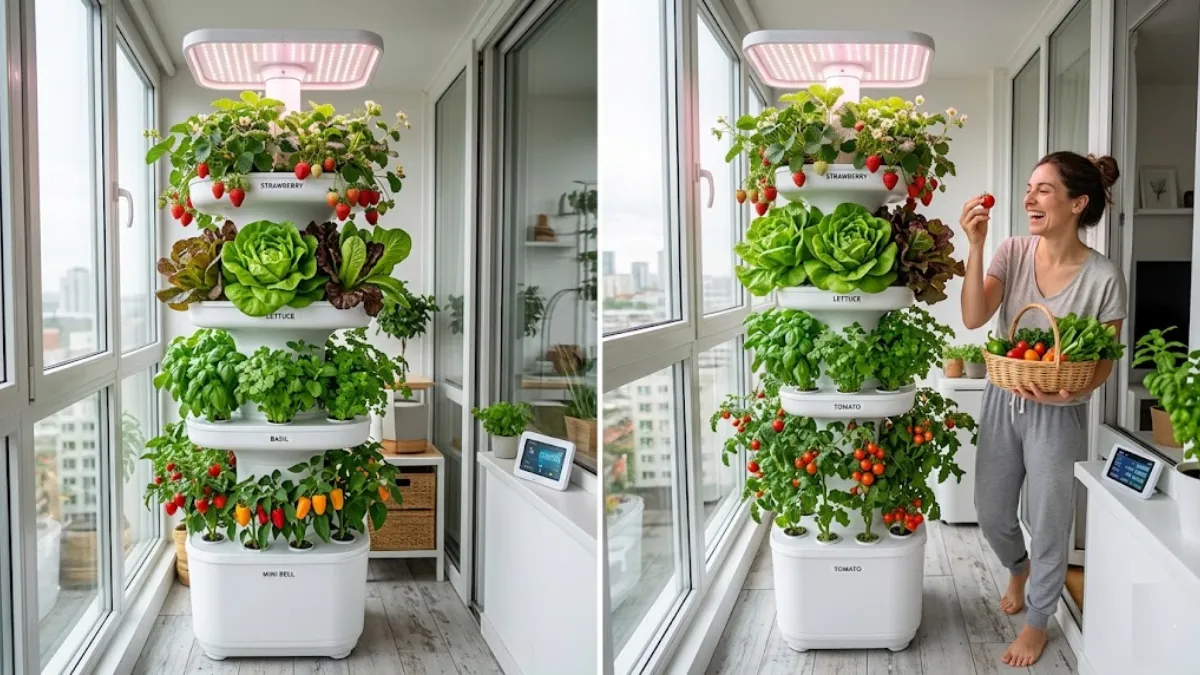
Smart Automated Greenhouse Systems: The Future of Easy Farming
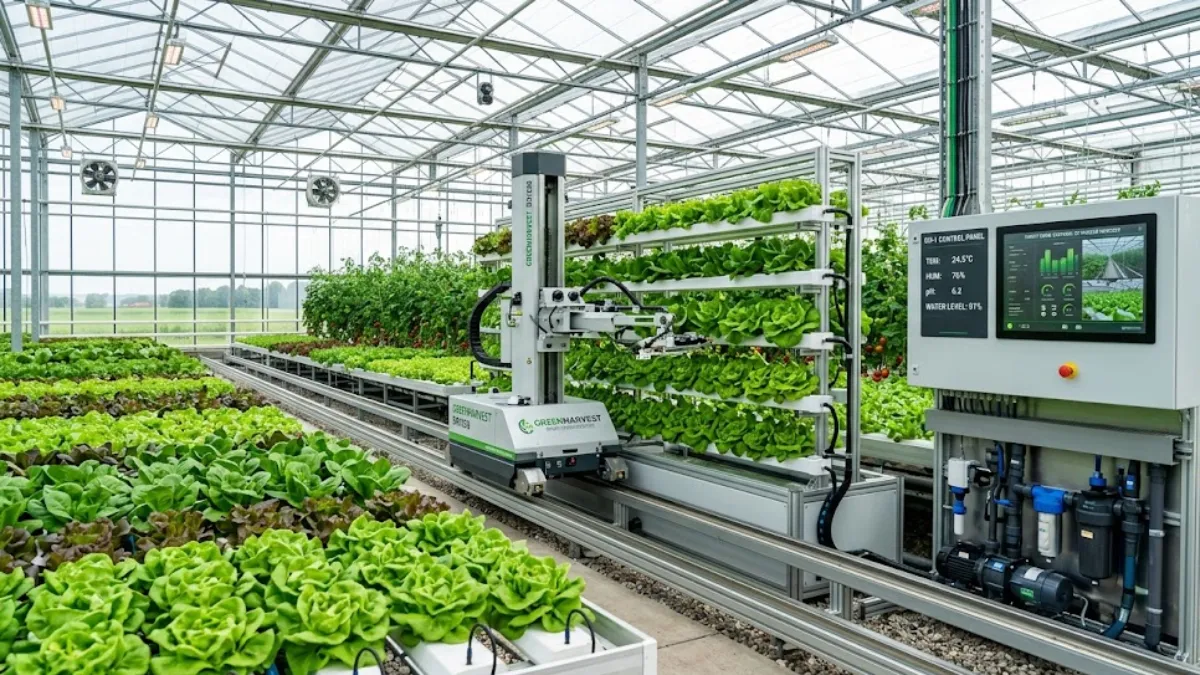
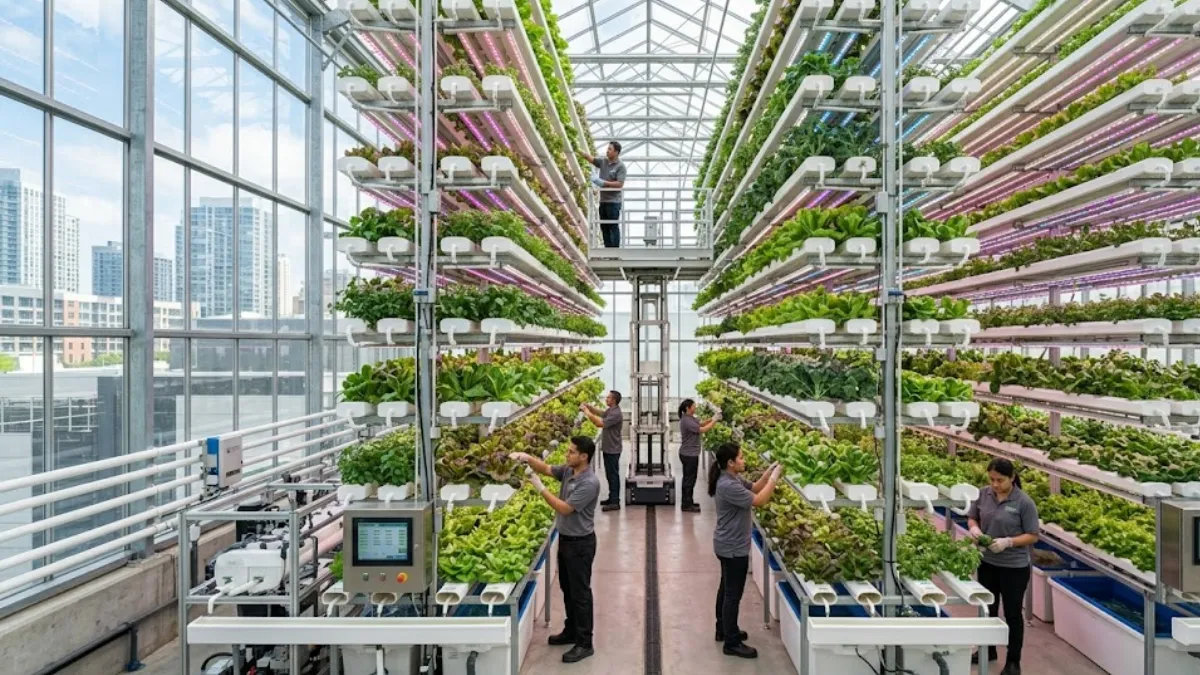
Automated greenhouse systems help control temperature, humidity, watering, lighting, and ventilation automatically. These smart systems reduce labor, save water, and improve plant growth. In India, even small growers are now using greenhouse automation using Arduino and sensor-based systems for better yields and lower maintenance.
Introduction
You water the plants. Then check the temperature. Then humidity. Then suddenly the heat rises at noon and half the seedlings look stressed.
Sounds familiar?This is exactly why automated greenhouse systems are becoming popular in India. Not just for big commercial farms anymore. Even balcony growers and indoor gardening hobbyists are trying simple greenhouse automation setups at home.A few years ago, greenhouse farming looked expensive and complicated. Wires. Sensors. Computers. Big investment. But things changed fast.
Now?
Even a small smart greenhouse automation system can manage watering, airflow, and climate almost by itself. Less stress. Better plant growth. More consistency.
And honestly, plants love stable conditions. Humans mess up sometimes. Machines don’t forget.
What Are Automated Greenhouse Systems?
An automated greenhouse system is a setup where technology controls the greenhouse environment automatically.Instead of manually switching fans or watering plants, sensors and controllers do the work for you.Typical automated greenhouse systems include:
- Temperature sensors
- Humidity controllers
- Automatic irrigation systems
- Smart lighting timers
- Ventilation fans
- Soil moisture monitoring
- IoT or mobile app controls
Some advanced systems even send alerts directly to your phone.Crazy useful.
Why Automated Greenhouse Systems Are Growing Fast in India
India’s climate can be unpredictable. One day extreme heat. Next day sudden rain. Indoor growers struggle a lot because plants react very quickly to environmental changes.
That’s where automation helps.
Better Water Management
Water wastage is reduced because irrigation works only when needed.
No overwatering drama.
Stable Temperature Control
Plants grow better when temperatures remain consistent. Automated systems switch cooling fans or foggers automatically.
Simple. Efficient.
Less Manual Labor
Farmers save time daily. Especially useful for commercial greenhouse owners managing large setups.
Higher Crop Yield
Healthy environment means healthier plants. Tomatoes, lettuce, herbs, cucumbers all perform better inside automated greenhouses.
Many greenhouse owners in India are now moving toward semi-automation first, then upgrading slowly.
Smart move honestly.
Automated Greenhouse Monitoring and Control System Explained
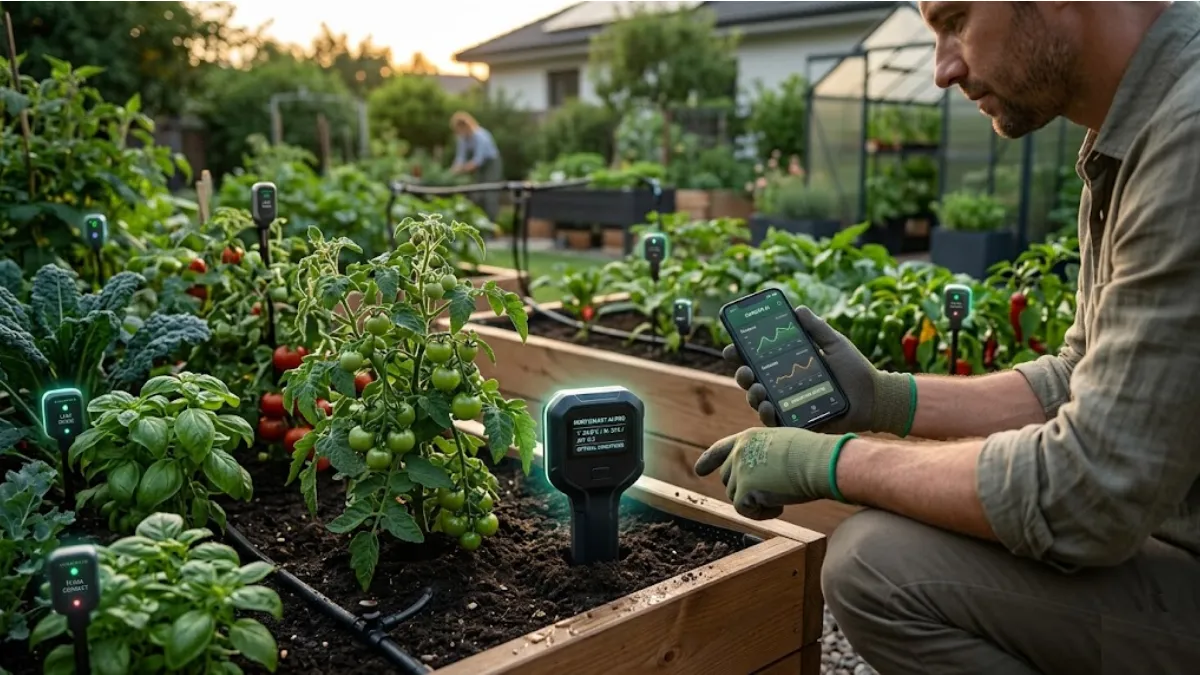
This system works like the brain of the greenhouse.Sensors constantly collect information like:
- Soil moisture
- Air temperature
- Humidity
- Light intensity
Then the controller decides what action to take.For example:If temperature rises ventilation fan turns ON. If soil becomes dry → irrigation starts automatically.
If humidity drops → misting system activates.No guessing. No panic watering at midnight.
Greenhouse Automation Using Arduino
This is where beginners usually start.Arduino-based greenhouse automation systems are affordable and customizable. Students, hobby growers, and small-scale farmers love them because they can build systems without huge investments.Basic Arduino greenhouse setup usually includes:
- Arduino board
- DHT11 temperature sensor
- Soil moisture sensor
- Relay module
- Water pump
- Fan system
The setup automatically responds to environmental changes.And yes, there are many automated greenhouse PDF guides available online for DIY projects.
Some setups look surprisingly professional even on small budgets.
Automated Greenhouse Systems Price in India
Prices vary depending on size and technology.
Here’s a rough idea:
System TypeEstimated CostBasic DIY Arduino Setup₹3,000 – ₹10,000Small Smart Greenhouse₹25,000 – ₹80,000Commercial Automated Greenhouse₹2 Lakhs – ₹20 Lakhs+
The automated greenhouse systems cost mainly depends on:
- Greenhouse size
- Sensors used
- Automation level
- Cooling systems
- Software integration
Small growers often begin with irrigation automation only. Then slowly upgrade.
Honestly, thats the practical way.
Myth Vs Reality
Myth: Greenhouse automation is only for rich commercial farms
Reality:
Even small indoor gardeners now use affordable automation tools.
Myth: Automated systems remove human involvement completely
Reality:
You still monitor plants. Automation just reduces repetitive work.
Myth: Automation is too technical
Reality:
Modern smart greenhouse systems are becoming very beginner-friendly.
Many even work through mobile apps now.
Practical Tips Before Installing a Smart Greenhouse Automation System
Start Small
Don’t automate everything immediately.Begin with:
- Automatic watering
- Temperature monitoring
- Exhaust fan automation
Then expand slowly.
Choose Reliable Sensors
Cheap sensors fail quickly in humid greenhouse conditions.
Quality matters here.
Backup Power Is Important
Power cuts can damage greenhouse crops fast, especially in Indian summers.
A small UPS or inverter helps a lot.
Monitor Data Regularly
Automation helps. But observation still matters.
Plants always tell a story if you pay attention.
Best Plants for Automated Greenhouses
Some plants perform extremely well inside smart greenhouse environments:
- Lettuce
- Spinach
- Cherry tomatoes
- Basil
- Microgreens
- Strawberries
- Cucumbers
Stable climate = faster growth.
Simple equation.
Internal Linking Suggestions
- Read more: Top 15 Trending Indoor Plants 2026
- Related guide: Advanced Greenhouse Climate Control Systems
- Also explore: Microgreens Farming: The 15-Day Harvest Business

Written by Editorial Staff Editor
This article was rigorously researched and compiled by our expert editorial team.