The Hidden Danger in Your Living Room: Why Peace Lilies & Philodendrons Can Harm Kids
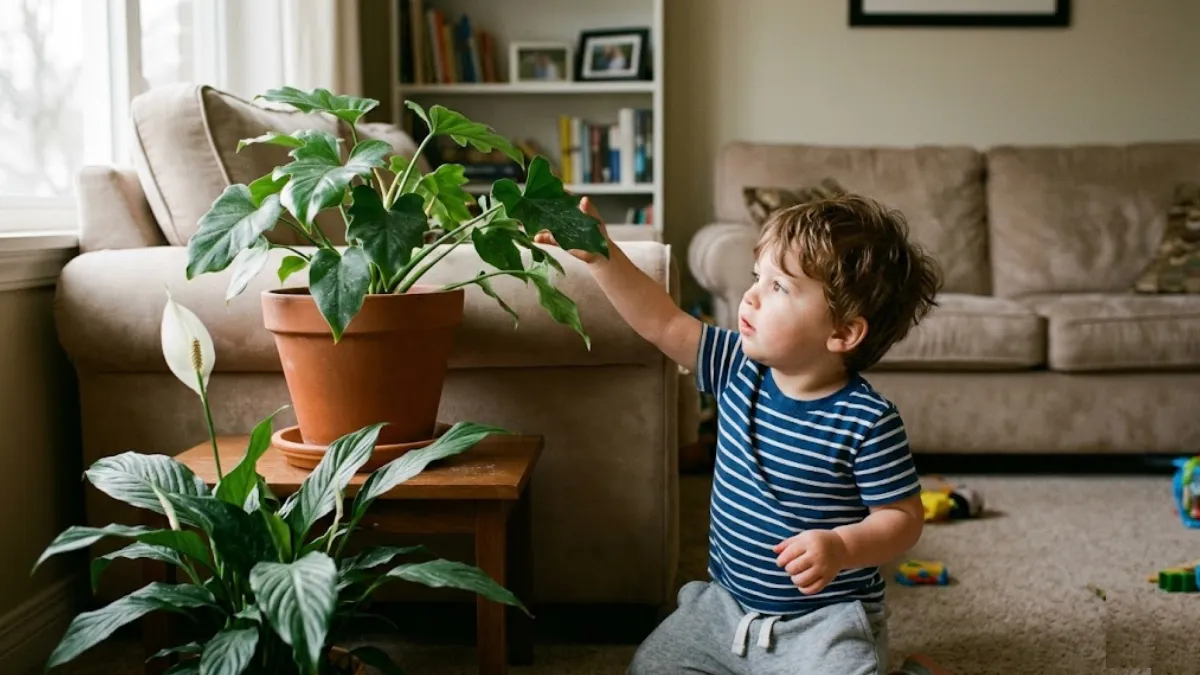
Yes. Peace lilies and philodendrons are among the most common poisonous indoor plants for humans and especially risky for small children. They contain calcium oxalate crystals that can irritate the mouth, throat, and stomach if touched or eaten. Most cases are not deadly. But scary? Very.
A Pretty Plant. One Small Bite. Panic.
A Delhi mother recently shared online how her 2-year-old chewed a peace lily leaf while playing near the sofa. At first nothing happened. Then came crying. Mouth irritation. Swollen lips. Suddenly the family was rushing to a doctor. This is more common than people think. Indoor plants make homes feel peaceful. Cleaner. Alive. But some of the most beautiful varieties are actually unsafe around babies and pets. And honestly, many parents don’t even know. Especially with trendy plants like philodendrons and peace lilies sitting in almost every Instagram-style living room now.
Why Peace Lilies Are Risky for Children
People often ask: Is peace lily toxic to children? Sadly, yes. Peace lilies contain tiny needle-like calcium oxalate crystals. When chewed, these crystals can cause:
- Burning sensation in mouth
- Drooling
- Difficulty swallowing
- Swollen tongue or lips
- Vomiting sometimes
And yes, even touching broken leaves may irritate sensitive skin. That’s why many parents search: Are peace lilies poisonous to touch? Usually casual touching is okay. But sap exposure plus rubbing eyes? Problematic. Another common question is: How much peace lily is toxic to humans? Even a small bite can trigger symptoms in kids because their bodies are smaller. Severe poisoning is rare, but discomfort can be intense. Children panic. Parents panic more. Tiny plant. Big chaos.
Philodendrons Look Innocent Too
Philodendrons are everywhere in indoor decor trends. Cheap. Easy. Gorgeous trailing leaves. But they belong on the list of house plants poisonous to babies.
The toxicity mechanism is similar to peace lilies. Mouth irritation happens fast after chewing leaves or stems. Babies naturally explore by touching and tasting things. That’s the danger. And honestly, toddlers are fast. Like scary fast. One minute you’re answering a phone call. Next minute half a leaf is gone.
Myth vs Reality
Myth: “Natural plants are always safe indoors.”
Reality? Many poisonous indoor plants for humans are sold without warning labels.
Myth: “A small bite can’t hurt.”
Reality? Small children react strongly even to tiny exposure.
Myth: “Peace lilies clean air so they must be healthy.”
Reality? Yes, they help indoor air slightly. But the peace lily disadvantages indoors include toxicity risks, mold-prone soil, and allergy irritation.
What Parents Should Actually Do
No need to throw away every plant immediately. Just be smart about placement.
Here’s what helps:
- Keep toxic plants completely out of child reach
- Avoid floor-level plant styling
- Teach older kids not to touch leaves
- Wash hands after pruning plants
- Use hanging planters for risky species
- Label toxic plants if grandparents babysit
Better yet, switch to safer options like:
- Spider Plant
- Areca Palm
- Calathea
- Boston Fern
Much less stress honestly.
Safer Homes Can Still Be Green
Indoor gardening should feel calming. Not dangerous. If you have babies crawling around, it’s worth checking every plant in the house once. Many people are shocked discovering that some of the most poisonous house plants are already sitting beside the TV or near the balcony door. A beautiful home matters. But safety matters first. And sometimes the safest plant is simply the one your child can’t reach.
Internal Linking Suggestions
- [Best Child Safe Indoor Plants for Indian Homes]
- [Indoor Plants That Improve Air Quality Naturally]
- [Low Maintenance Plants Safe for Pets and Kids]

Written by Editorial Staff Editor
This article was rigorously researched and compiled by our expert editorial team.