Poison Hemlock vs. Wild Carrots: The Fatal Mistake Urban Gardeners Make
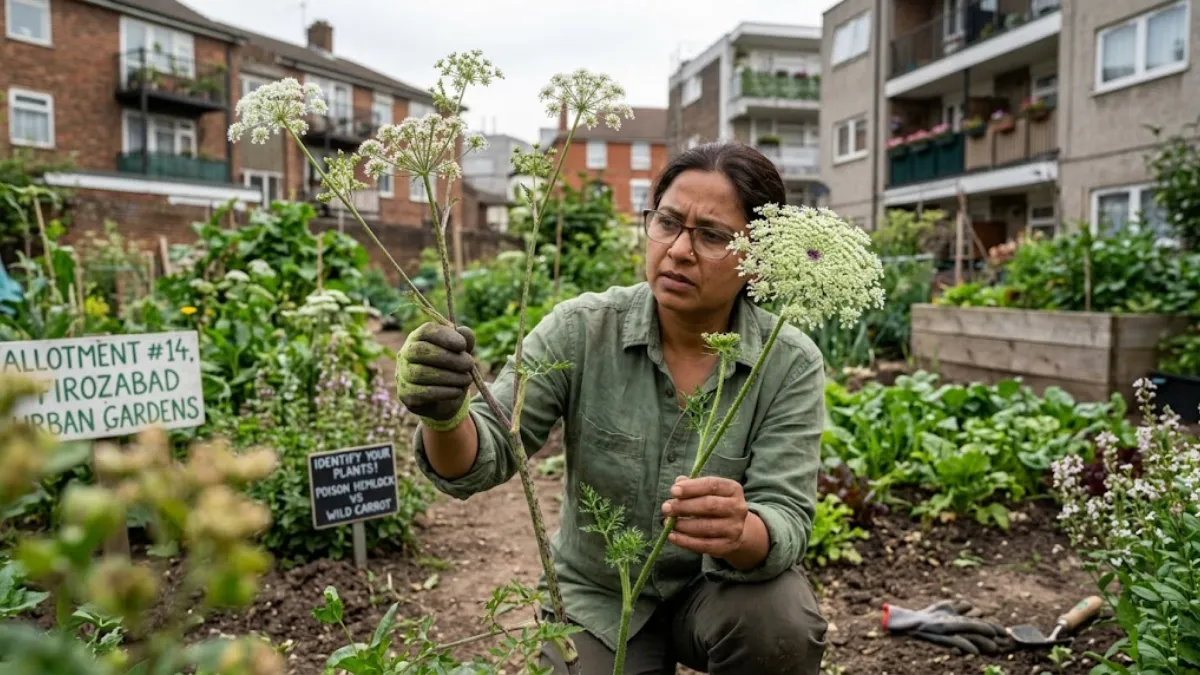
A tiny herb patch. A few fresh greens. Maybe carrots growing near the balcony railing. Sounds harmless.Until someone touches the wrong plant.That’s exactly what happened to a home gardener in a community plot who thought she found wild carrots growing behind her apartment block. The leaves looked soft. Feathery. Almost beautiful. But the plant wasn’t carrot at all.It was poison hemlock.And honestly? The confusion happens more than people think.
Quick Answer
Poison hemlock and wild carrot (Queen Anne’s lace) look very similar, especially when young. But poison hemlock has smooth stems with purple blotches and no hairy texture, while wild carrot has hairy stems and smells like carrot when crushed.One mistake can become dangerous. Fast.
Why Urban Gardeners Keep Mixing Them Up
The problem starts with appearance.Both plants belong to the same family. Both grow wild in neglected corners, roadsides, empty plots, even near apartment gardens. And when they’re young? Almost identical from distance.That’s the scary part.A beginner gardener usually notices the white umbrella-shaped flowers first. Pretty flowers. Soft fern-like leaves. Feels safe. Familiar.But poison hemlock is one of the most toxic plants found in urban spaces today.Not exaggerating.
Poison Hemlock vs Wild Carrot vs Queen Anne’s Lace
Wild carrot and Queen Anne’s lace are basically the same plant. That creates even more confusion online.
Here’s the easiest way to remember it:
Wild Carrot / Queen Anne’s Lace
- Hairy stems
- Smells like carrot
- Thin roots
- Usually shorter
- Tiny dark flower in center sometimes
Poison Hemlock
- Smooth stems
- Purple or reddish blotches
- Bad smell
- Hollow stems
- Can grow extremely tall
And yes. The leaves can still fool you.Especially beginners
The Stem Tells The Truth
Forget the flowers for a second.Look at the stem.That’s where the real answer lives.If the stem looks smooth and shiny with purple patches, stop touching it immediately. That’s one of the biggest poison hemlock warning signs.Wild carrot stems feel rough. Slightly fuzzy almost.Tiny detail. Huge difference
Young Wild Carrot vs Hemlock
Young plants are hardest to identify because flowers haven’t appeared yet.A lot of gardeners make guesses too early. Bad idea.Young poison hemlock leaves look delicate and parsley-like. Young wild carrot leaves look similar too. But again the stem saves you.Hairy = safer. Smooth with blotches = danger.Simple. Mostly
Poisonous Carrot Look Alike Plants Are Increasing
Urban gardening trends exploded recently. So did accidental plant exposure.Many people now forage random greens from sidewalks or abandoned spaces thinking they’re edible herbs. Some even post them online proudly before proper identification.Risky stuff.Besides poison hemlock, there’s also water hemlock. Even more toxic in some cases
Poison Hemlock vs Water Hemlock
These two are different plants but both are highly poisonous
Poison Hemlock
- Purple spotted stems
- Fern-like leaves
- Dry land areas
Water Hemlock
- Grows near water
- Thick tuber roots
- More aggressive toxin effects
Neither should ever be handled casually
Myth vs Reality
Myth:
“If animals eat it, it must be safe
Reality:
Poisonous plants affect species differently. Some survive exposure. Others don’t
Myth:
“Wild carrot is poisonous.”
Reality:
Wild carrot itself is generally not toxic, but confusion with poison hemlock creates the real danger
Myth:
“You can identify plants only by flowers
Reality:
Stem texture, smell, and habitat matter much more
Is Wild Carrot Poisonous to Dogs or Horses?
Wild carrot is generally considered non-toxic in moderate exposure. But honestly, most vets still recommend keeping pets away from unidentified wild plants
Because mistakes happen.Especially with horses grazing in open areas where poison hemlock may grow nearby. Even small accidental intake can become serious
If a dog or horse eats unknown wild plants and shows drooling, weakness, trembling, or breathing issues, contact a vet immediately.No waiting around
Practical Safety Tips For Home Gardeners
1. Never forage without full identification
Even experienced gardeners get fooled sometimes
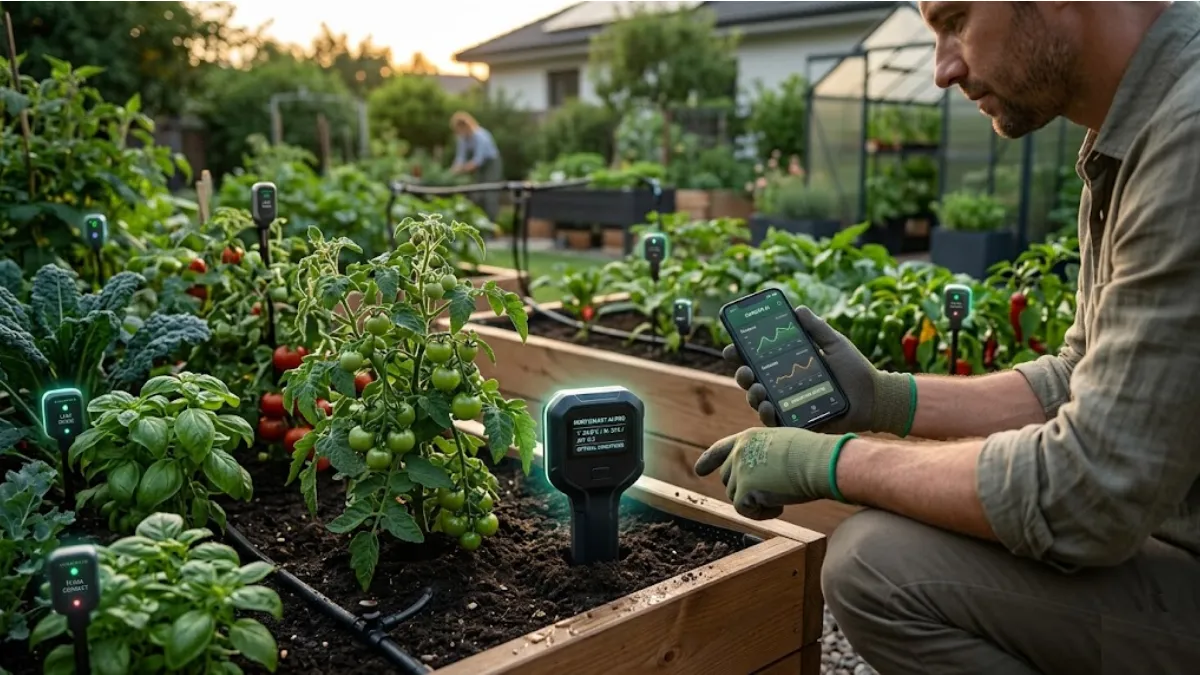
2. Wear gloves
Always. Even during basic pruning
3. Crush-test carefully
Wild carrot smells like actual carrot. Poison hemlock smells unpleasant
4. Check stems first
Purple blotches are major red flags
5. Remove suspicious plants early
Before flowering season spreads seeds everywhere.
Helpful IndoorPlantify Guides
- Best Balcony Herbs for Indian Homes
- Indoor Plants That Improve Air Quality
- Beginner-Friendly Kitchen Gardening Tips

Written by Editorial Staff Editor
This article was rigorously researched and compiled by our expert editorial team.