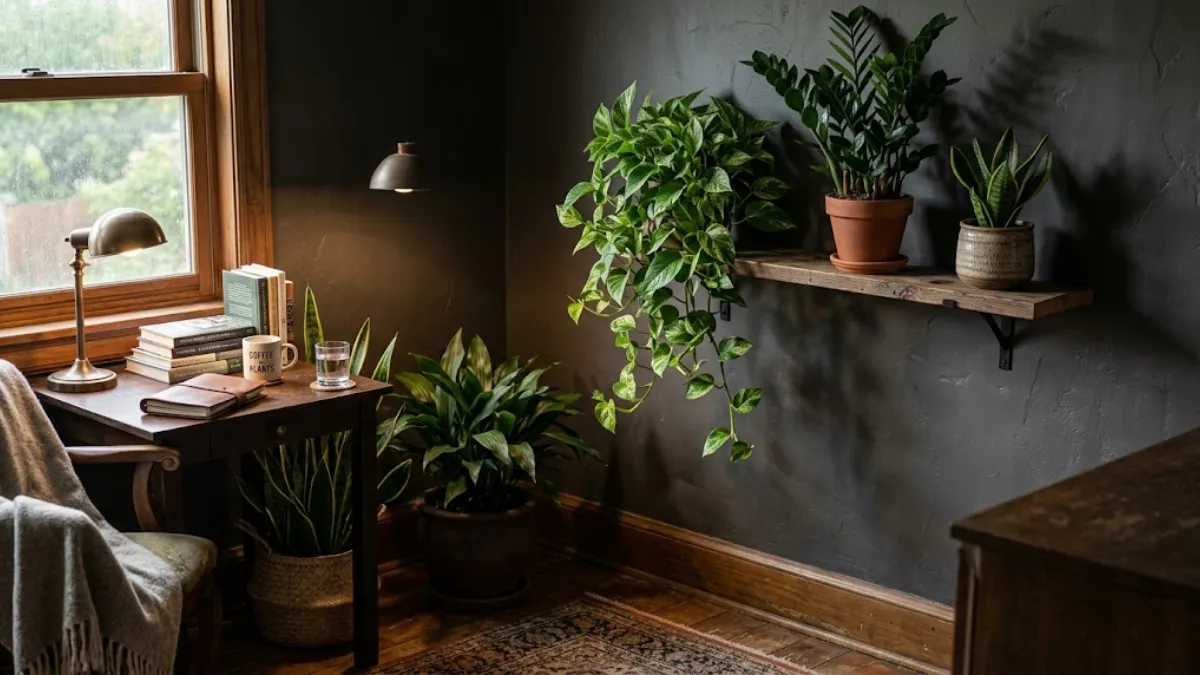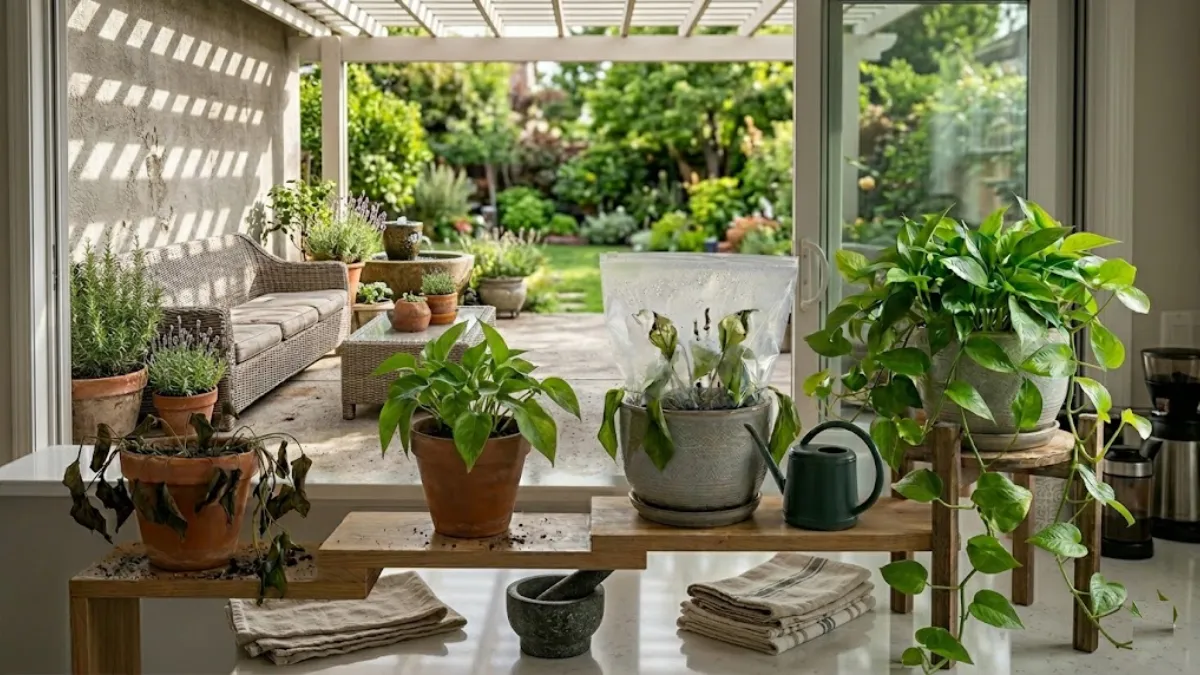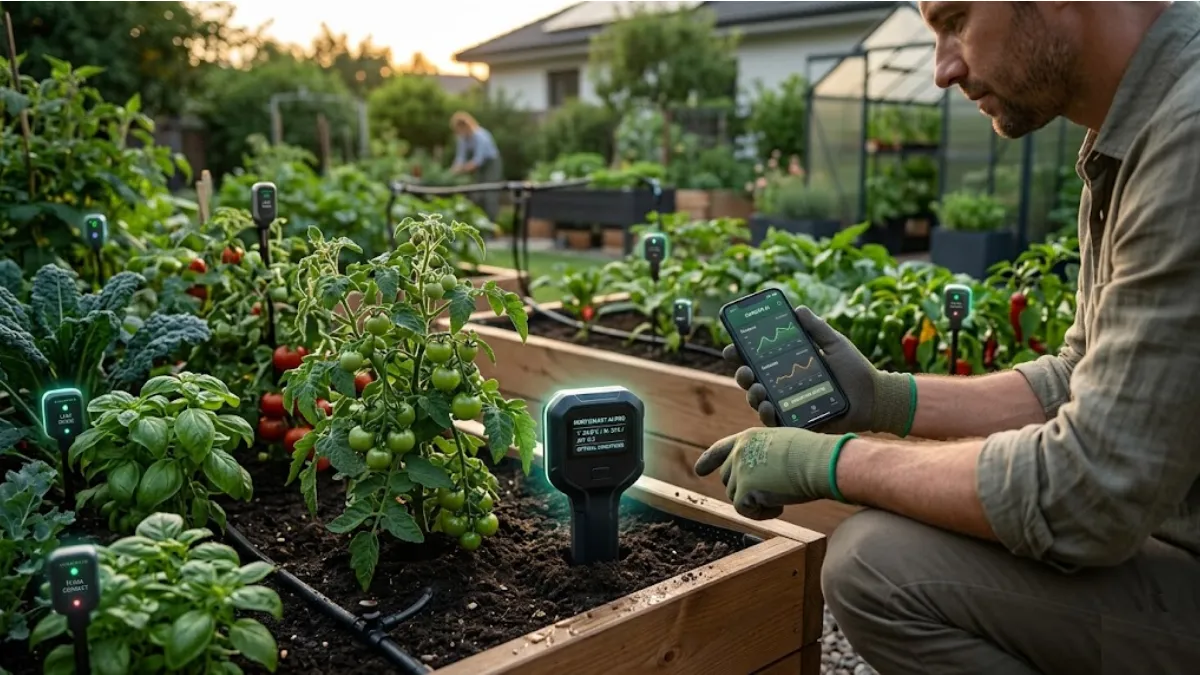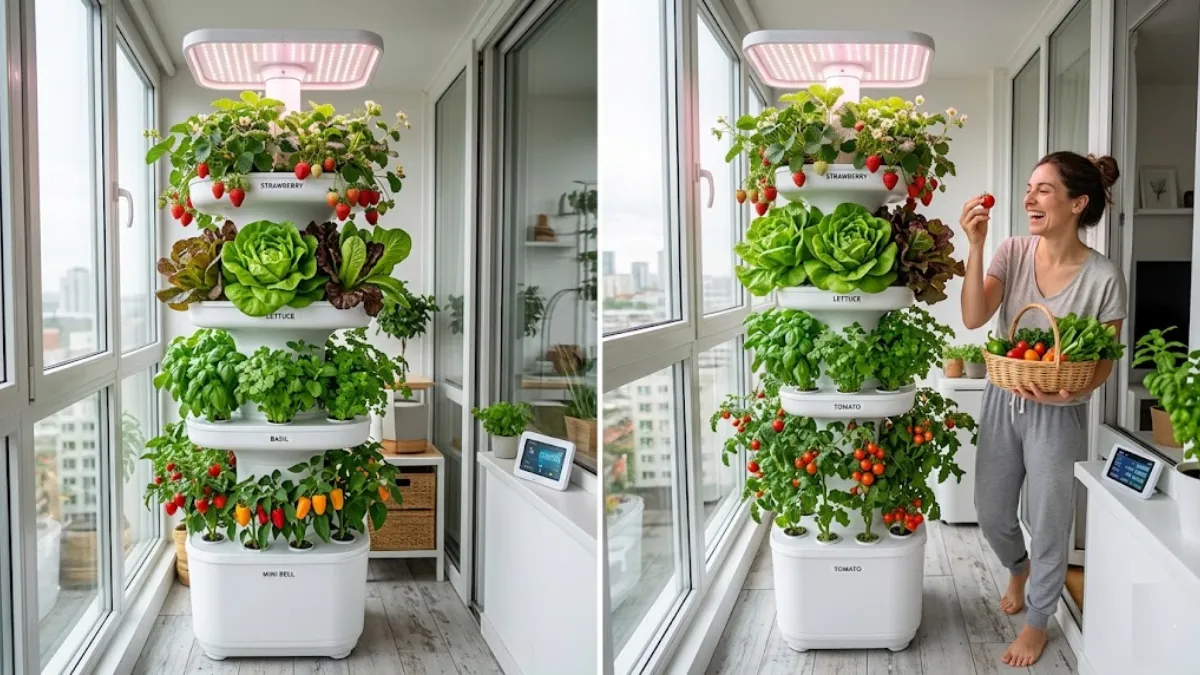
Air-Purifying 2.0: Are Bio-Engineered Houseplants the Future of Clean Indoor Air?
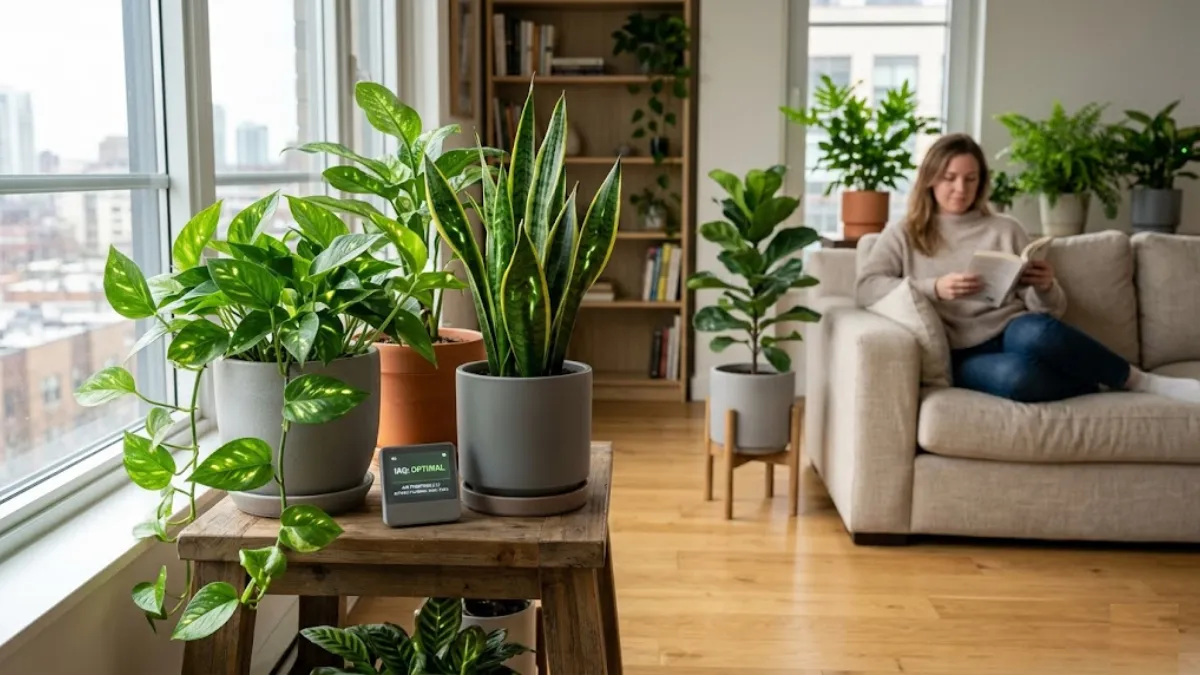
You know that moment when your room feels heavy. Closed windows. Laptop heat. Dust somewhere floating around. The air just feels… tired.For years we believed ordinary indoor plants were enough. Snake plant. Peace lily. Money plant. Nice looking. Calming too. But now things are changing fast. Very fast.
Welcome to Air-Purifying 2.0 the rise of bio-engineered houseplants designed not just to decorate homes, but to actively clean indoor air in smarter ways.
And honestly? It sounds like science fiction. But it’s already here.
Quick Answer
Bio-engineered houseplants like Neoplants are specially developed to improve indoor air quality by targeting harmful pollutants more effectively than regular plants. Products like Neoplants Power Drops claim to boost the plant’s natural ability to break down indoor toxins and VOCs.Indoor air research in 2026 shows growing interest in combining biotechnology with indoor greenery for healthier homes.
The Day Indoor Plants Became “Smart”
A few years ago, air-purifying plants became a huge trend because of the famous NASA clean air studies. People rushed to buy plants believing one pothos could magically clean an apartment.Reality? It was a bit exaggerated.Most normal plants help only slightly unless you own a jungle indoors. Scientists later explained that ventilation still matters more. Big time.But companies like Neoplants decided to rethink the whole thing.Instead of relying only on natural plant behavior, they started engineering microorganisms inside the plant ecosystem to capture and break down pollutants faster. Tiny invisible workers. Pretty wild.Suddenly the conversation changed from “plants look healthy” to “plants function like living air filters.”Different era now.
So… What Exactly Are Bio-Engineered Houseplants?
Imagine a normal houseplant. Now imagine its root microbiome upgraded using biotechnology.That’s basically the idea.Bio-engineered indoor plants are designed to interact with pollutants like VOCs (volatile organic compounds) found in:
- Paint
- Furniture polish
- Cleaning sprays
- Plastic materials
- Air fresheners
These pollutants quietly build up indoors. Especially in apartments with less ventilation.Some studies connected poor indoor air with headaches, irritation, fatigue, and reduced concentration. Small things at first. Then noticeable.An “A review on indoor green plants employed to improve indoor environment” also highlighted how indoor greenery contributes psychologically and environmentally inside urban homes. Plants calm people down. Reduce stress. Make indoor spaces feel alive again.Not perfect science yet. But promising.
The Buzz Around Neoplants Power Drops
One reason people are suddenly talking about Neoplants Power Drops is because the product markets itself as a biological booster for indoor air-cleaning plants.The idea sounds simple: You add special drops to support pollutant-eating microorganisms around the roots.Kind of like probiotics. But for plants.Some users online love the futuristic concept. Others remain skeptical because long-term independent testing is still limited. Fair enough honestly.Still, the bigger shift matters more than the product itself.
People now want plants that do something. Not just sit in ceramic pots looking cute on Instagram.
Myth vs Reality
Myth: One plant can completely purify a room
Reality? Not really. Indoor plants help, but they cannot fully replace proper airflow and ventilation.
Myth: Bio-engineered plants are fake plants
Nope. They’re still real living plants. The science usually focuses on microbes and biological enhancement.
Myth: Every air-purifying claim is scientifically proven
Not always. Some marketing goes ahead of research. Happens a lot in wellness industries.
Why Urban Homes Are Driving This Trend
In cities like New Delhi, indoor air quality has become a serious concern. People spend more time indoors now than ever before. Work-from-home culture changed everything.
And honestly modern homes are sealed boxes sometimes.So people are searching for softer, more natural solutions:
- Smart air purifiers
- Indoor gardens
- Bio-engineered plants
- Living walls
Not because plants are magic. But because they make homes feel breathable again.Emotionally too.
Practical Ways to Improve Indoor Air Naturally
You don’t need a biotech lab in your apartment.
Start small.
- Keep windows open whenever possible
- Use low-chemical cleaning products
- Add beginner-friendly indoor plants
- Avoid overwatering (mold risk is real)
- Combine plants with air circulation
- Try experimental products carefully, not blindly
Balance matters more than hype.
Internal Linking Suggestions
- Best Indoor Plants for Clean Air
- Smart Indoor Gardening Trends 2026
- Low-Maintenance Plants for Apartments

Written by Editorial Staff Editor
This article was rigorously researched and compiled by our expert editorial team.