Deadly Nightshade (Atropa Belladonna): Why This “Beautiful Woman” Plant Can Turn Deadly Fast
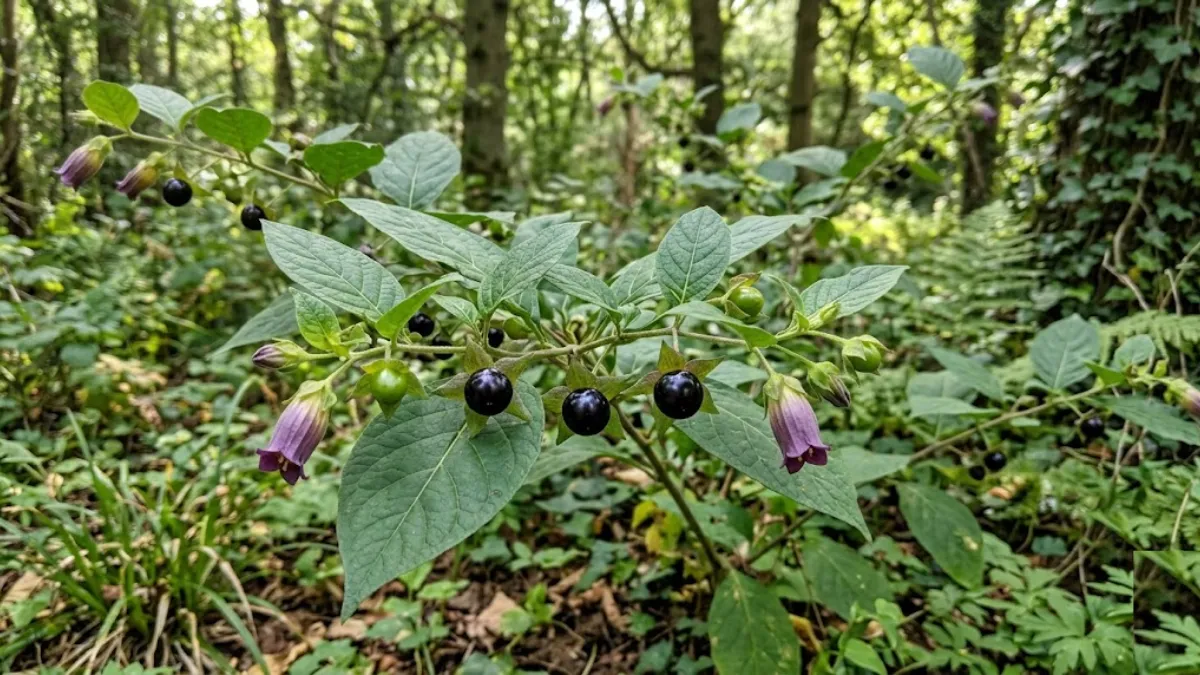
Imagine walking through an old garden. Purple flowers. Shiny black berries. Looks harmless. Even beautiful. That’s exactly how Deadly Nightshade, also known as Atropa Belladonna, tricks people.And honestly? That’s what makes it scary.For centuries people used belladonna in beauty rituals, medicines, and even poison. One wrong move though, and the effects can become terrifyingly real. Fast heartbeat. Hallucinations. Severe pain. Sometimes death.Not a plant you casually keep around the house.
Quick Answer
Deadly Nightshade (Atropa Belladonna) is an extremely poisonous plant from the nightshade family. Every part of the plant contains toxic compounds that can cause hallucinations, paralysis, organ failure, and even death if consumed.Even touching the plant may irritate sensitive skin, especially if sap enters the eyes or mouth
What Is Deadly Nightshade (Atropa Belladonna)?
The Atropa belladonna common name is simply Deadly Nightshade. The word belladonna meaning comes from Italian “beautiful woman.”Creepy origin, honestly.Back in history, women used drops made from belladonna to enlarge their pupils because it looked attractive. Problem is… the same chemical affecting the eyes is also highly toxic to the nervous system.That’s where the danger starts.The plant usually has:
- Dark green leaves
- Bell-shaped purple flowers
- Glossy black berries
Kids often mistake the berries for cherries. That becomes a medical emergency very quickly.
Belladonna vs Nightshade: Are They the Same?
A lot of people confuse belladonna vs nightshade.Here’s the simple truth:
- Nightshade is a whole plant family
- Belladonna is one deadly member of that family
Tomatoes and potatoes are technically nightshades too. But Atropa Belladonna is the dangerous one. Very dangerous.So no, not all nightshades are poisonous. But this one absolutely is.
Can Deadly Nightshade Kill You?
Yes. And that’s not exaggerated internet drama.If enough of the plant is eaten, especially the berries or roots, the toxins can shut down the nervous system. Children are at even higher risk because smaller amounts affect them faster.Many people ask: Can deadly nightshade kill you? Sadly, yes it can.The toxic compounds atropine and scopolamine interfere with nerve signals in the body. Heart rate rises. Breathing becomes difficult. Hallucinations may happen. Things get bad quickly.
Symptoms of Belladonna Poisoning
The symptoms of belladonna poisoning usually appear within a few hours.Common signs include:
- Dry mouth
- Blurred vision
- Confusion
- Rapid heartbeat
- Fever
- Hallucinations
- Difficulty swallowing
- Seizures in severe case
Some victims describe it as extremely painful and terrifying. Which answers another common question: Is belladonna poisoning painful?Yes. It often is.Especially when the nervous system starts reacting aggressively.
Is Deadly Nightshade Poisonous to Touch?
People often ask: Is deadly nightshade poisonous to touch?Normally, casual skin contact may not instantly poison you. But the sap can still irritate sensitive skin. If thet oxins enter cuts, eyes, or the mouth after touching the plant, problems can happen.So the safest rule is simple: Don’t touch it unnecessarily.Especially children and pets. Keep them away.
Treatment for Belladonna Poisoning
If poisoning is suspected:
- Call emergency medical services immediately
- Do not force vomiting
- Keep the person calm and hydrated
- Hospital treatment may include activated charcoal and antidotes
Early treatment for belladonna poisoning can save lives. Delays make recovery harder.No home remedies here. Serious stuff.
Myth vs Reality
Myth:
“If it’s natural, it can’t be dangerous.”
Reality:
Deadly Nightshade is completely natural. And still highly toxic.
Myth:
“Only the berries are poisonous.”
Reality:
Almost every part of the plant contains toxins leaves, roots, stems, berries.
Practical Safety Tips
- Never grow unknown wild berries indoors or near kids
- Wear gloves when handling suspicious plants
- Teach children not to eat garden berries
- Wash hands immediately after touching unfamiliar plants
- Remove deadly nightshade carefully if found in home gardens
You can also read:
- How to Identify Toxic Houseplants
- Best Pet-Safe Indoor Plants
- Indoor Plants You Should Never Keep Near Children

Written by Editorial Staff Editor
This article was rigorously researched and compiled by our expert editorial team.