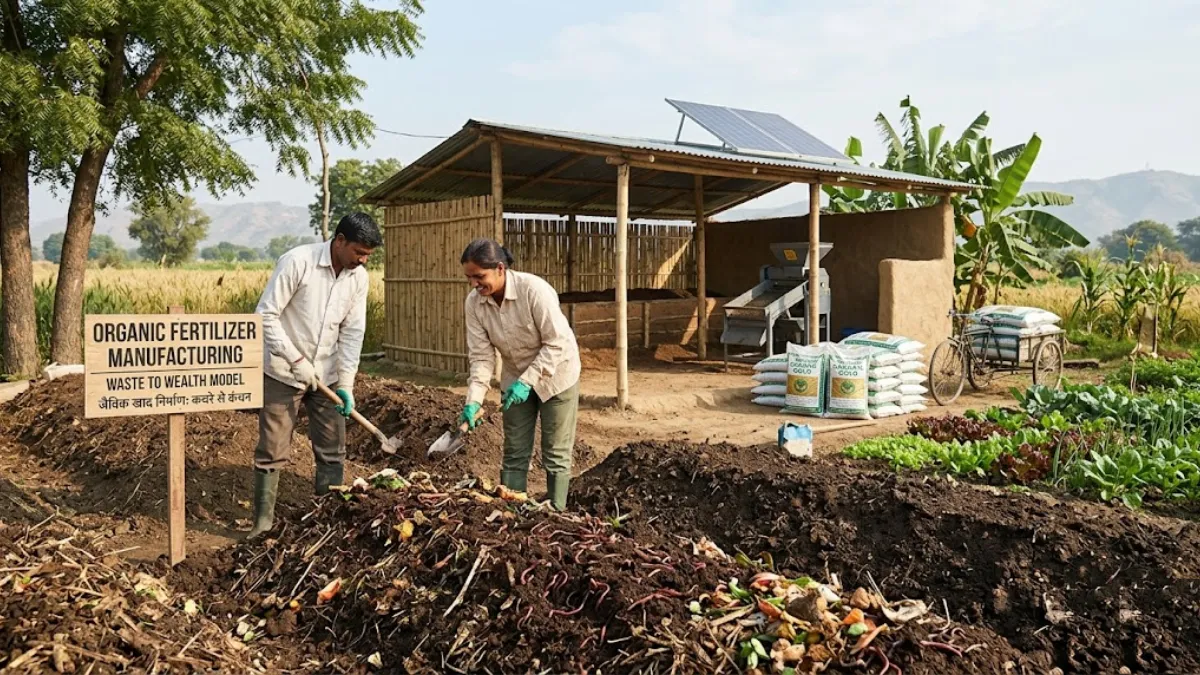
Organic Fertilizer Manufacturing Business: Waste to Wealth Model
There was a time when farm waste was just waste. Burn it. Throw it away. Forget it.Not anymore.In 2026, farmers and small entrepreneurs are quietly building profitable businesses from things nobody wanted. Dry leaves. Cow dung. Vegetable scraps. Sugarcane residue. Even market waste. Strange? Little bit. Profitable? Very.
The organic fertilizer manufacturing business is now becoming one of the strongest waste to wealth project ideas across India. And honestly, it makes sense.
People want chemical-free food now. Soil health matters again. Organic farming is not a “trend” anymore. It’s becoming survival.
Quick Answer
The organic fertilizer manufacturing business converts agricultural and organic waste into compost or bio-fertilizer products that farmers can use naturally. It is low-investment, eco-friendly, and part of the growing waste to wealth model in India.With rising demand for sustainable farming, this business can generate income while solving agricultural waste problems at the same time.
Why This Waste-to-Wealth Model Is Growing Fast
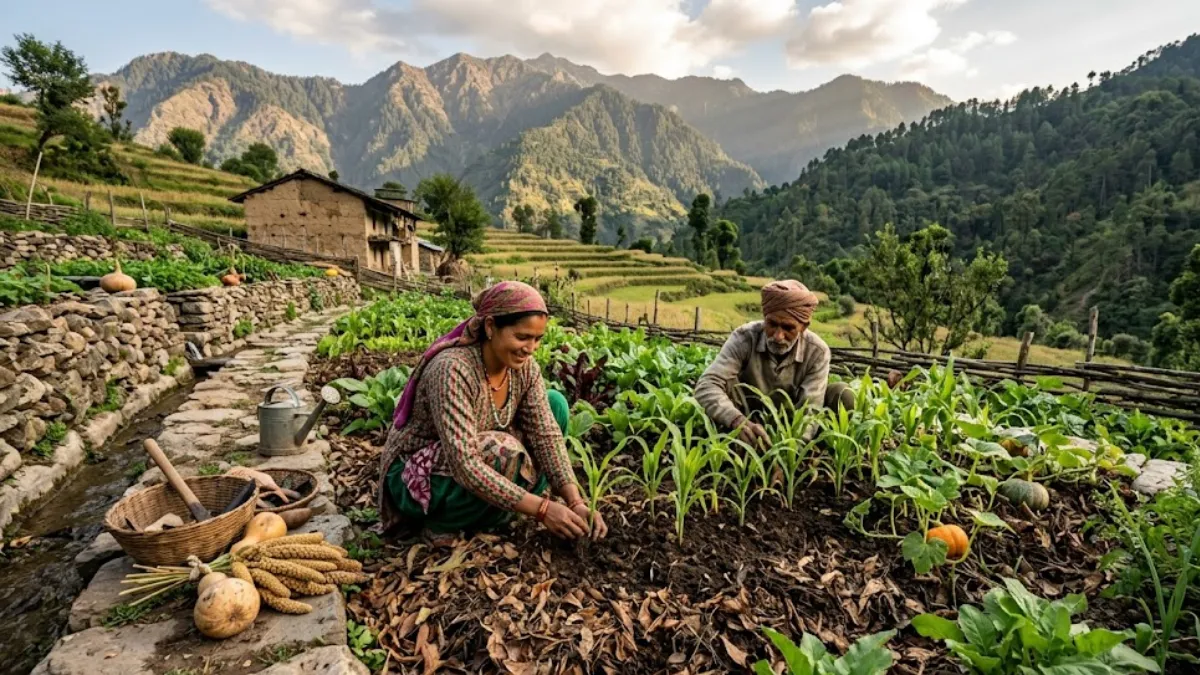
Walk through any mandi in India early morning. Waste everywhere. Rotten vegetables. Leaves. Fruit peels.Most of it ends up dumped.But smart businesses see raw material instead.That’s the core idea behind agricultural waste to wealth ideas. Instead of paying for disposal, you process waste into organic fertilizer and sell it back to farms, nurseries, terrace gardeners, and landscaping companies.Simple cycle. Almost beautiful.Government policies are also supporting agricultural waste management PDF programs and recycling projects. Small units are appearing near villages, dairy farms, and even city outskirts.Because waste never stops coming.
How Organic Fertilizer Manufacturing Actually Works
The process sounds technical. It’s not too complicated though.
1. Collect Organic Waste
You can source:
- Cow dung
- Crop residue
- Fruit & vegetable waste
- Sugarcane bagasse
- Poultry waste
- Dry leaves
Cheap material. Sometimes free.
2. Segregation & Shredding
Waste gets sorted and crushed into smaller pieces for faster decomposition.Messy work honestly. But important.
3. Composting Process
Microbes break down the organic matter over several weeks. Temperature and moisture need monitoring.This stage decides quality.
4. Drying & Packaging
Finished compost is dried, sieved, and packed into bags for sale.That’s the product. Dirt that makes money.
Startup Cost and Profit Potential
A small organic fertilizer unit can begin with basic machinery and open land.
Approximate investment:
- Small scale setup: ₹2–5 lakhs
- Medium scale plant: ₹10–25 lakhs
Profit margins vary. Usually 25–40% if raw material sourcing is cheap.
And demand keeps increasing from:
- Organic farms
- Home gardeners
- Plant nurseries
- Landscaping companies
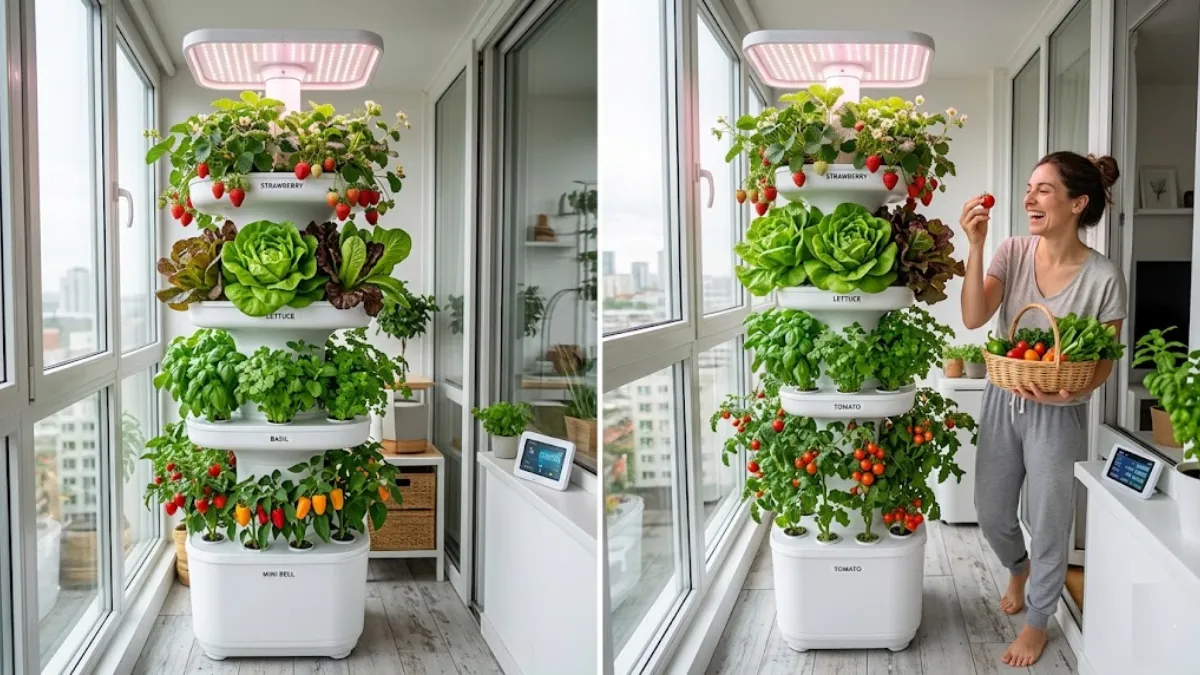
Indoor gardening alone changed the market massively. People buy compost in tiny bags now. Funny but true.
Myth vs Reality
Myth: Organic fertilizer businesses are only for big factories
Reality:
Many successful businesses run from small village setups using local waste.
Myth: Compost making is slow and unprofitable
Reality:
Modern composting techniques reduce processing time and improve quality significantly.
Myth: Agricultural waste has no value
Reality:
Agricultural waste is literally becoming a tradable raw material in 2026.
Practical Tips Before Starting
Start Small
Don’t build a massive factory immediately. Test demand locally first.
Partner With Farmers
Direct farmer connections reduce marketing struggles.
Focus on Packaging
Good branding matters. Even fertilizer buyers judge appearance now.
Learn Compliance Rules
Check pollution board approvals and local waste handling regulations carefully.
Create Educational Content
Farmers trust businesses that teach. Share compost usage videos and guides online.Tiny effort. Huge credibility boost.
Future Scope of Waste-to-Wealth Businesses
India generates millions of tons of agricultural waste yearly. Most remains unused.That is changing rapidly.The future is strongly connected to:
- Recycling of agricultural waste PDF initiatives
- Sustainable farming
- Organic food demand
- Circular economy businesses
And honestly, younger entrepreneurs are entering this sector faster than expected.Because they see two problems solved together: Waste management + profitable farming inputs.Rare business model that actually helps everyone little bit.
Internal Linking Suggestions
- Best Indoor Compost for Plants
- How to Start Organic Terrace Gardening
- Top Fast Growing Indoor Plants for Indian Homes

Written by Editorial Staff Editor
This article was rigorously researched and compiled by our expert editorial team.