Vertical Farming Technology: How to Start an Urban Farm in 2026
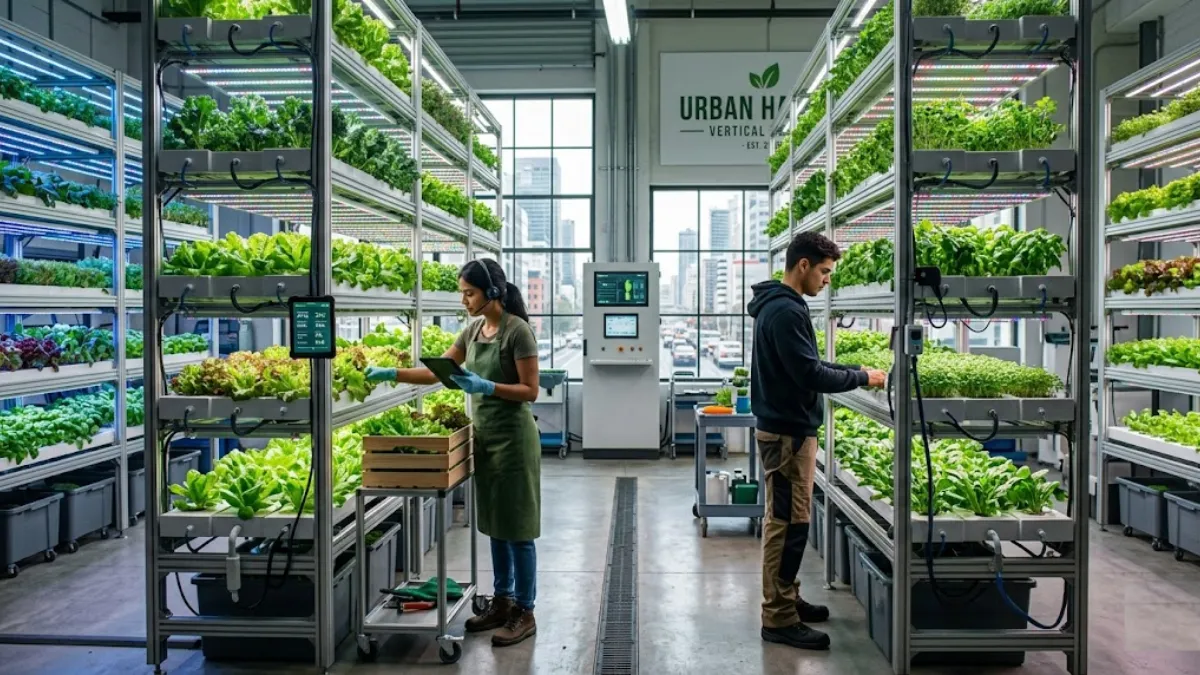
Three years ago, growing food inside apartments sounded weird. Honestly. Now? It’s becoming normal.People in cities are running tiny farms from balconies, rooftops, spare bedrooms, even kitchen corners. Lettuce. Basil. Spinach. Strawberries too sometimes. Small spaces. Big harvests.And in 2026, vertical farming technology is no longer just for giant companies with million-dollar warehouses. Regular people are doing it. Students. Office workers. Retired couples. Even plant lovers who simply got tired of expensive vegetables.Food prices keep rising. Space keeps shrinking. So urban farming suddenly makes sense.A little crazy maybe. But smart.
Quick Answer
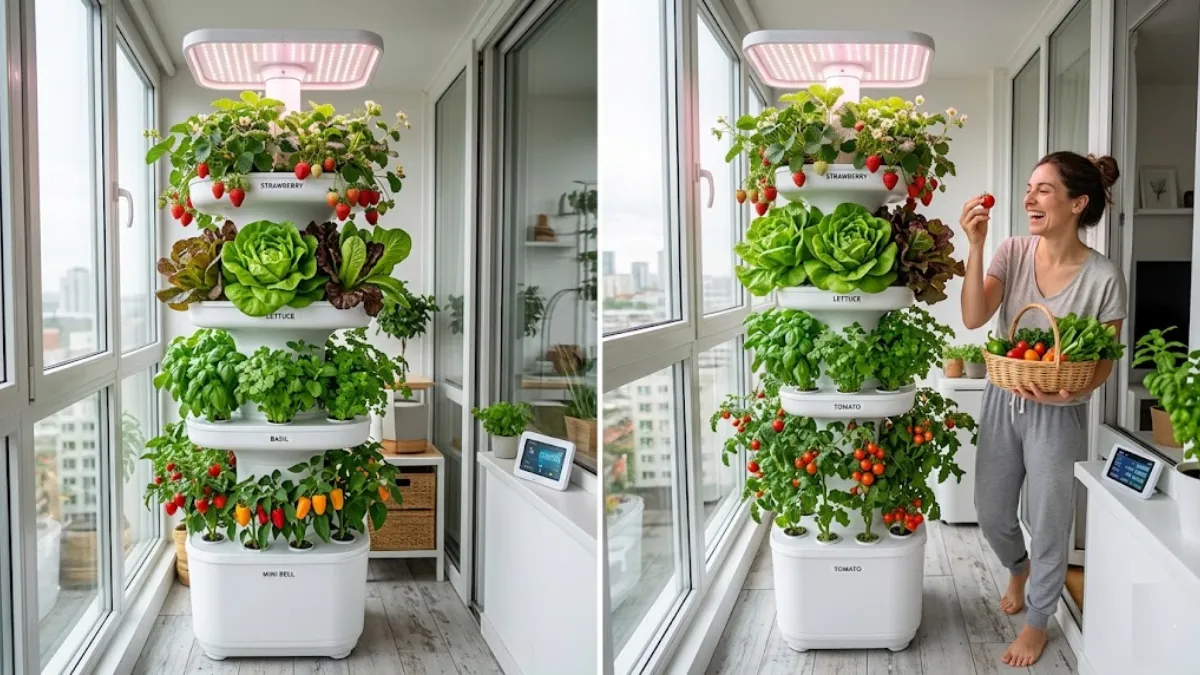
Vertical farming technology allows you to grow crops in stacked layers using LED lights, hydroponics, and controlled environments. In 2026, beginners can start a small urban farm at home with basic shelves, grow lights, and easy crops like lettuce or herbs.It saves water, needs less space, and works surprisingly well inside apartments.
Why Vertical Farming Is Exploding in 2026
Cities are crowded now. Really crowded.Traditional gardening needs land. Most urban people don’t have that luxury anymore. But vertical farming flips the whole idea sideways. Or upwards actually.Instead of growing horizontally, plants are stacked vertically using shelves or towers. Simple concept. Huge impact.And technology became cheaper recently.LED grow lights use less electricity. Smart timers automate watering. Hydroponic kits are everywhere online. Even AI-powered monitoring systems are entering small home farms now.Crazy times.A friend of mine started with just 6 lettuce plants near a sunny window in Delhi. He thought it would fail within weeks. It didn’t. Six months later he had herbs growing in three levels using recycled racks from an old bookstore.Not perfect. But working.
What You Need to Start an Urban Vertical Farm
Starting small is the secret. Most beginners overcomplicate things.You don’t need a fancy warehouse.
1. A Small Growing Space
Could be:
- Balcony
- Rooftop
- Kitchen wall
- Empty room corner
- Window area
Even 20 square feet is enough for a starter setup.
2. Vertical Shelving
Metal racks work best because moisture can damage wood over time. Stackable shelves helps maximize space quickly.Cheap shelves from local markets are honestly fine in the beginning.
3. LED Grow Lights
This is important.In cities, sunlight becomes inconsistent because of pollution and nearby buildings. LED grow lights solve that issue.Choose full-spectrum LEDs for leafy vegetables.Plants dont really care if the sun is real or artificial. They just want light.
Hydroponics vs Soil Farming
Most urban vertical farms use hydroponics. Meaning plants grow in nutrient-rich water instead of soil.Why people prefer it:
- Faster growth
- Less mess
- Saves water
- Fewer pests indoors
But soil still works for beginners.Hydroponics sounds technical at first. Honestly it scared me too when I first researched it. Pipes. Pumps. Nutrient formulas. Felt overwhelming.
Then you realize the basic systems are actually very beginner-friendly now.Simple bucket systems exist. Plug-and-grow kits too.Nothing too complicated.
Best Crops for Beginners
Do not start with tomatoes immediately. Big mistake.Start easy.
Best beginner crops:
- Lettuce
- Mint
- Spinach
- Basil
- Coriander
- Microgreens
- Kale
These plants grow faster and forgive beginner mistakes.Microgreens are especially underrated. Tiny plants. Massive nutrition. Harvest within 10–14 days sometimes.
That quick success keeps motivation alive.And honestly, seeing your own food growing inside your home feels weirdly emotionalBiggest Mistakes New Urban Farmers Make
Myth vs Reality
MythRealityVertical farming needs huge moneySmall setups can start cheaplyOnly experts can do hydroponicsModern kits are beginner friendlyPlants grow automatically indoorsMonitoring still mattersBigger setup means bigger profitSmall controlled farms perform betterSunlight is always necessaryLED systems work surprisingly well
A lot of people quit because they buy too much equipment first.Don’t.Start tiny. Learn slowly. Expand later.Plants teach patience in a very humbling way.
Practical Solutions for Urban Farming Success
Keep Electricity Backup
Power cuts can damage indoor systems quickly. Small backup batteries help protect pumps and lights.Especially during summer.
Monitor Humidity
Too much humidity creates fungus issues indoors. A cheap ventilation fan changes everything.Simple fix.
Use Smart Timers
Automating light schedules reduces stress and improves plant growth consistency.Honestly, timers are lifesavers.
Reuse Household Items
Plastic containers, old shelves, water bottles many can become farming tools.Urban farming doesn’t always need expensive aesthetics from Instagram.Real farms look slightly messy sometimes.
Is Vertical Farming Profitable in 2026?
Small home farms probably won’t make you rich overnight.But local organic produce demand is increasing fast. Restaurants, cafes, and health-conscious buyers are actively searching for fresh pesticide-free greens.Especially in urban India.Microgreens alone can become a decent side business with surprisingly low space requirements.
And the satisfaction? Hard to explain.Growing food changes your relationship with what you eat. Sounds dramatic. But true.
Internal Linking Suggestions
- Beginner Indoor Gardening Guide
- Best Grow Lights for Indoor Plants
- Hydroponic Gardening for Beginners

Written by Editorial Staff Editor
This article was rigorously researched and compiled by our expert editorial team.