Organic Pest Control Systems: "Advanced Organic Pest Control Solutions for Sensitive and Exotic Tropical Plants.
INTRO
You bring home a rare tropical plant. Big leaves. Glossy. Perfect
Two weeks later tiny holes. Sticky leaves. Something crawling
Frustrating. And a little heartbreaking too
Most people panic. They spray chemicals. Fast fix
But sensitive and exotic plants They react badly. Leaves burn. Growth stops
There’s a better way. Slower maybe. But safer. Smarter
QUICK ANSWER
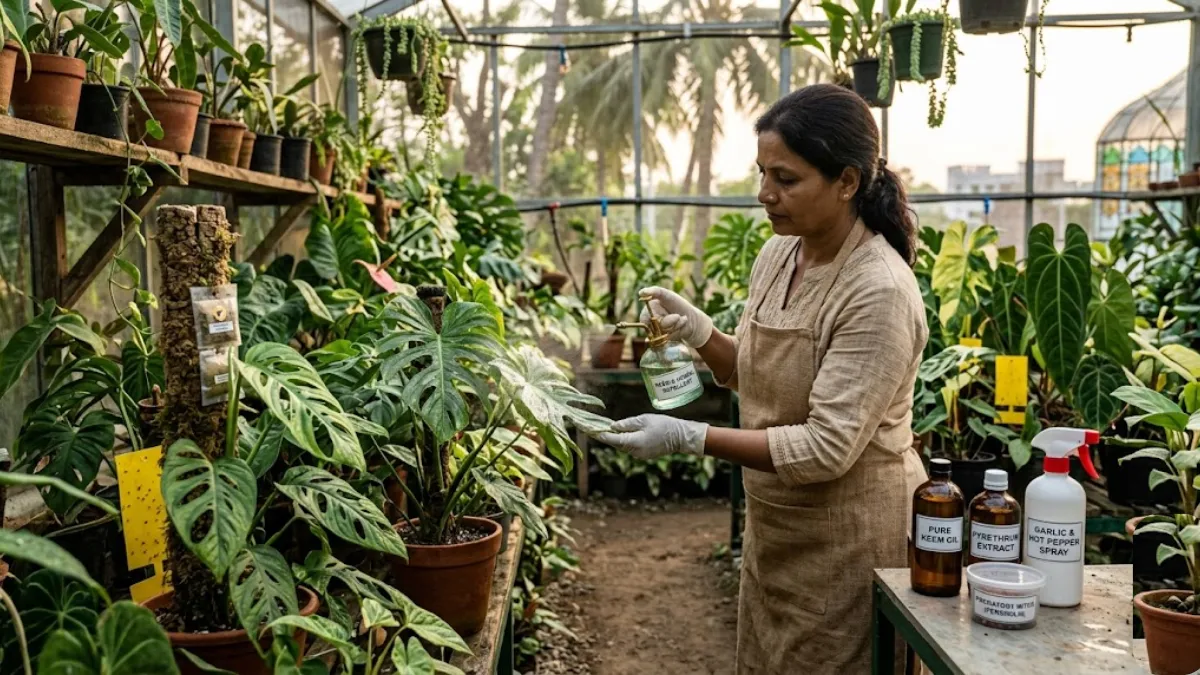
Organic pest control systems use natural solutions like neem oil, beneficial insects, and homemade sprays to manage pests without harming plants
Best for delicate, exotic, and indoor tropical plants. Long-term safe
What Is an Organic Pest Control System?
Think of it like balance. Not war
Instead of killing everything, you manage the ecosystem around your plant
- Natural sprays
- Biological control (good insects)
- Preventive care
No harsh toxins. No damage to sensitive foliage
Especially important for rare plants. They don’t tolerate stress well
Story: One Mistake That Cost ₹8,000
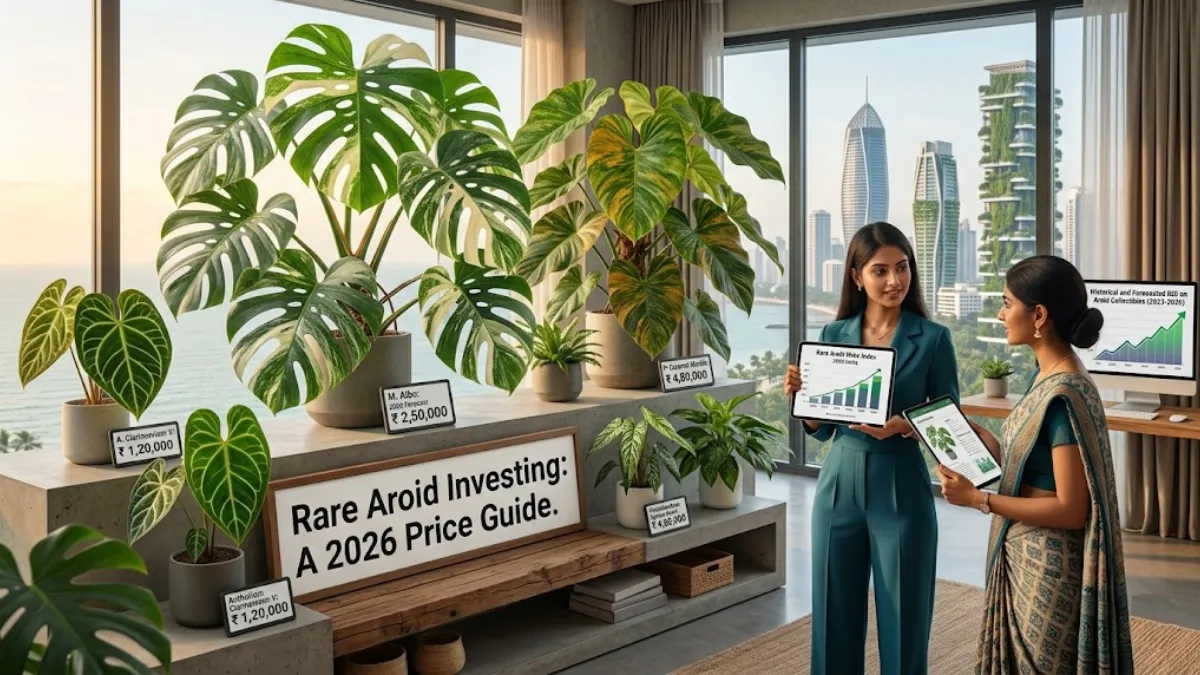
A collector in Mumbai bought a rare Anthurium.
Thrips attack happened. Panic mode. He sprayed chemical pesticide
Next morning? Leaves burned. Edges black. Plant never recovered
Expensive lesson
Organic methods may feel slow but they don’t destroy the plant you’re trying to save
Best Organic Pest Control Systems (That Actually Work)
Let’s keep it simple. No complicated science
1. Neem Oil Spray
Classic. Reliable.
- Kills mites, aphids, whiteflies
- Mix with water + mild soap
- Spray weekly
Smell is strong. But works
2. Soap Water Spray
Basic but effective.
- Breaks pest outer layer
- Works on soft-bodied insects
Don’t overuse. Leaves can stress
3. Garlic-Chili Spray
Old-school method.
- Natural insect repellent
- Keeps pests away
Smells intense. Not for closed rooms
4. Beneficial Insects
Sounds weird. But powerful.
- Ladybugs eat aphids
- Lacewings control larvae
Nature fixing nature
5. Sticky Traps
Simple. Cheap.
- Catches flying pests
- Helps monitor infestation
Not a full solution. But helpful
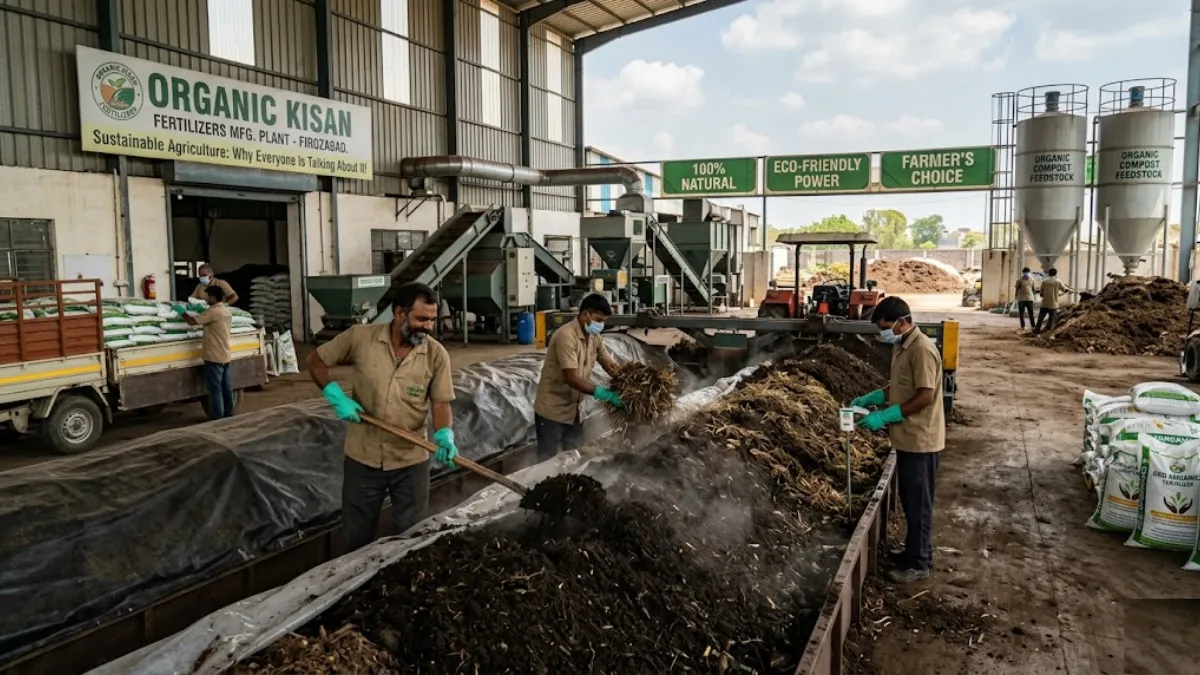
Natural Pest Control Methods in Agriculture (Used at Scale)
Farmers have been doing this long before Instagram trends.
Some proven methods
- Crop rotation
- Companion planting
- Neem-based bio pesticides
- Biological pest control
Same principles apply indoors. Just smaller scale
Organic pest management isn’t new. Just ignored sometimes
Myth vs Reality
Myth: Organic = slow and useless
Reality: Works well if used consistently
Myth: Chemicals are stronger
Reality: Strong but risky for sensitive plants
Myth: One spray solves everything
Reality: Pest control is a system, not a one-time fix
Myth: Natural methods are complicated
Reality: Most are DIY and simple
Practical Solutions (What You Should Actually Do)
No theory. Just action
1. Inspect Weekly
Check under leaves. Always
Early detection saves plants
2. Isolate Infected Plants
One infected plant can spread fast
3. Rotate Treatments
Don’t use same spray again and again
Pests adapt. Yes, they do
4. Improve Airflow
Still air = pest paradise
5. Avoid Overwatering
Wet soil attracts fungus gnats
6. Clean Leaves
Dust invites pests. Simple
Internal Linking (For IndoorPlantify)
- Read more: Indoor plant pest identification guide
- Explore: Best humidity tips for tropical houseplants
- Guide: How to clean indoor plant leaves properly
Organic Pest Management Resources (Helpful for Deep Learning)
If you’re searching for:
- organic pest control systems pdf
- organic pest management ppt
- pest and disease management in organic farming ppt
Look for university agriculture resources or government horticulture websites. They provide detailed, research-based guides
But honestly for home use, keep it simple. Too much theory confuses

Written by Editorial Staff Editor
This article was rigorously researched and compiled by our expert editorial team.